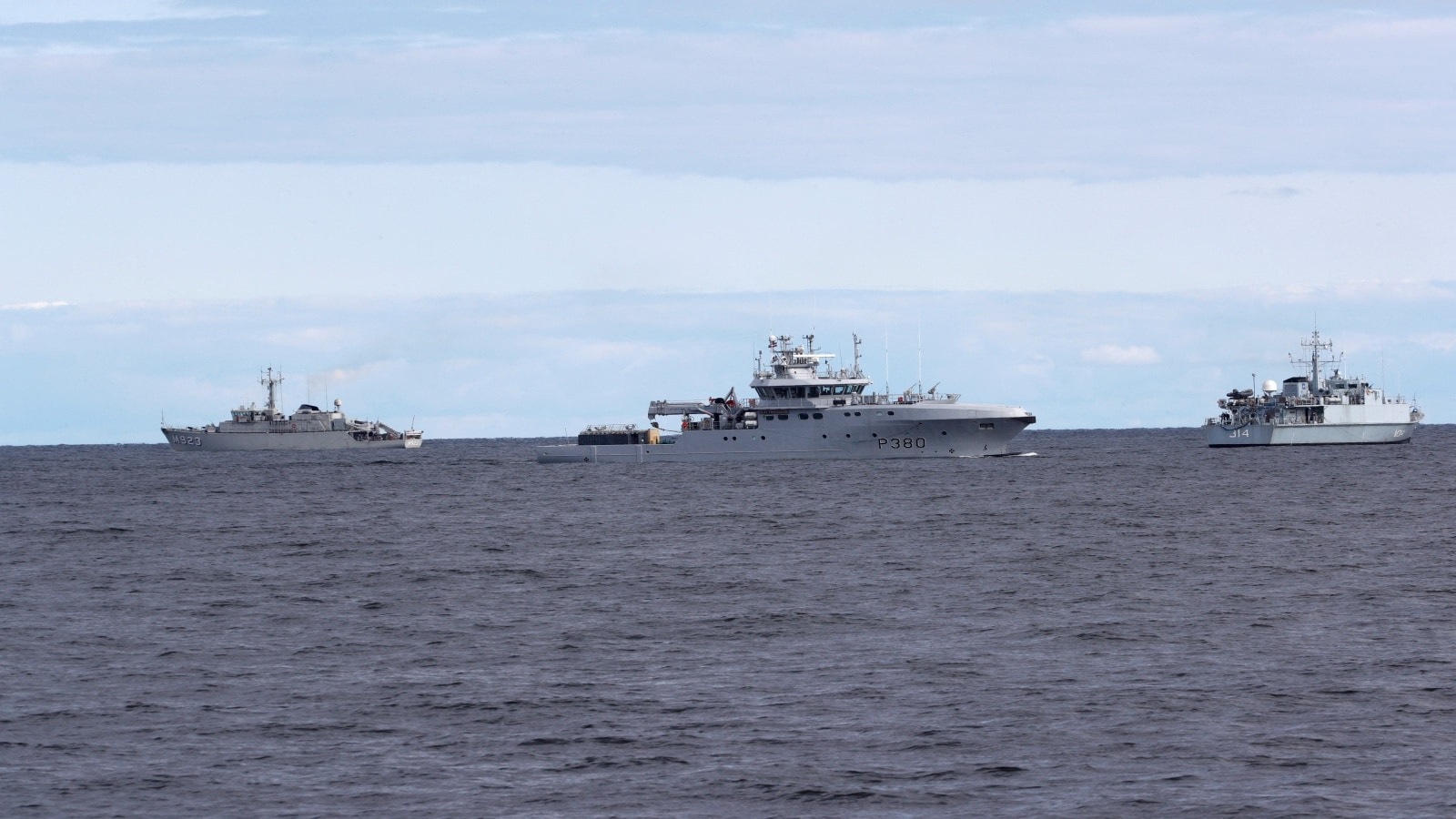
The headlines read like a humanitarian triumph. Twenty-three Indian sailors plucked from a burning petroleum tanker in the Black Sea after a missile strike. The media breathlessly reports on the survival, the evacuation, the diplomatic phone calls, and the collective sigh of relief from families in Mumbai and Kerala. Everyone is celebrating the rescue.
Everyone is missing the point.
Focusing on the survival of these twenty-three men while ignoring the structural rot of the shadow maritime economy is like praising the lifeboats while the ocean liner is torpedoed by design. The lazy consensus says this is a tragic accident of war, an unfortunate byproduct of geopolitical friction near grain corridors and energy choke points. That framing is dangerous. This was not an anomaly. It was a statistical inevitability engineered by a broken global compliance model.
I have spent the last fifteen years watching maritime insurance premiums fluctuate, watching shadow fleets bypass sanctions with ghost transponders, and watching shipowners treat crew safety as a line-item liability to be minimized until disaster strikes. When you dilute regulatory oversight, put aging tankers manned by under-resourced multinational crews into active combat zones, and rely on shell companies registered in tax havens to insure them, you do not have a shipping industry. You have a floating casino.
The Myth of the Accidental Casualty
The prevailing narrative treats these attacks as random bolts from the blue. They are not. The Black Sea has been a designated high-risk war zone for years. Every vessel entering those waters knows the calculus. The shipowners calculating freight rates are balancing the astronomical profit margins of moving Russian or regional crude against the replacement cost of a hull and the hazard pay of a crew.
When a tanker carrying petroleum products takes a hit and catches fire, the immediate concern is human life—and rightfully so. But let us look at the economic machinery that put those twenty-three Indian nationals on that specific bridge in the first place.
Maritime labor supply chains are globalized precisely because they can be exploited. India and the Philippines provide a massive percentage of the world's merchant mariners. These are skilled, hard-working professionals who keep global supply chains functioning while isolated for months on end. But when corporate ownership layers are hidden behind five tiers of maritime lawyers in Cyprus and Panama, accountability evaporates. If the ship sinks or burns, the shell company liquidates, the insurance payout clears, and the crew is left to navigate the trauma.
We treat these events as isolated security failures. They are systemic features of a sanctions-evading, cost-cutting maritime architecture that values crude delivery over human redundancy.
The Economics of the Ghost Fleet
Imagine a scenario where every vessel operating in contested waters was required to carry full, transparent P&I club coverage backed by G7 maritime nations, with real-time mandatory transponders that could not be switched off without immediate international interdiction.
The market would grind to a halt overnight.
Why? Because a massive percentage of the tankers currently moving crude through restricted waters survive entirely on opacity. They use older tonnage—ships that should have been scrapped a decade ago—manned by crews hired through third-party agencies that offer minimal legal recourse. When an attack happens, the shock isn't that a ship caught fire; the shock is that people are surprised it happened sooner.
The rescue of these twenty-three Indian sailors is commendable. The Indian government's diplomatic and naval apparatus deserves credit for securing their repatriation and medical care. But let us not confuse a successful extraction with a functioning system. Every time we praise a rescue without holding the commercial operators accountable for running a gauntlet of wartime explosives for profit, we incentivize the next disaster.
Dismantling the Compliance Charade
Let us look at how the maritime compliance industry actually operates. Port state controls inspect vessels for safety gear, fire suppression systems, and crew certifications. Yet, when a vessel transitions into a shadow operator, those inspections become rubber stamps or are bypassed entirely in unregulated transshipment zones mid-ocean.
Tankers do not just wander into the line of fire by accident. They are guided by algorithmic route optimization designed to minimize detection, evade naval patrols, and maximize yield per barrel. When a missile or drone intersects that calculation, the human cost is absorbed by the lowest rung of the ladder: the rating and officer crew on watch.
To fix this, we have to stop treating seafarers as collateral damage in economic warfare.
First, flag states need to lose their immunity. If a flag of convenience allows a substandard or unverified operator to run crude through a combat zone without transparent insurance, that flag should face immediate international blacklisting.
Second, the charterers—the massive commodity traders sitting in Geneva, Dubai, and Singapore who ultimately profit from these voyages—need to be legally unmasked. Right now, liability stops at the single-ship LLC. Piercing that veil should be standard operating procedure whenever crew endangerment occurs in a designated war risk zone.
The Uncomfortable Truth About Global Supply Chains
Nobody wants to talk about why these men were on that ship. They were there because global energy consumption demands flow at any cost, and the legal frameworks governing maritime transit have failed to keep pace with modern proxy conflicts.
The rescue of the crew is a relief, but it is a Band-Aid on a severed artery. As long as the financial incentives for running unregulated crude through a war zone outweigh the human and capital risks, more tankers will burn, more crews will scramble into life rafts, and the market will simply adjust its freight rates and keep sailing.
Stop celebrating the survival stories while ignoring the structural violence that wrote the script. Until we make it more expensive to risk human lives for barrel margins than it is to keep ships parked safely out of range, the Black Sea will remain a graveyard of convenience.


