Your toaster dies. Do you fix it or buy a new one on Amazon before the kitchen smoke clears? If you are like most people, you pitch it. We have been trained to think that fixing things is a lost art, a financial waste, or just too much damn trouble.
Manufacturers want you to feel helpless. They glue batteries shut, use proprietary screws, and price replacement parts higher than brand-new items. It is called planned obsolescence, and it is built into almost everything you own. If you liked this piece, you might want to look at: this related article.
But a quiet rebellion is growing in church basements, community centers, and libraries worldwide.
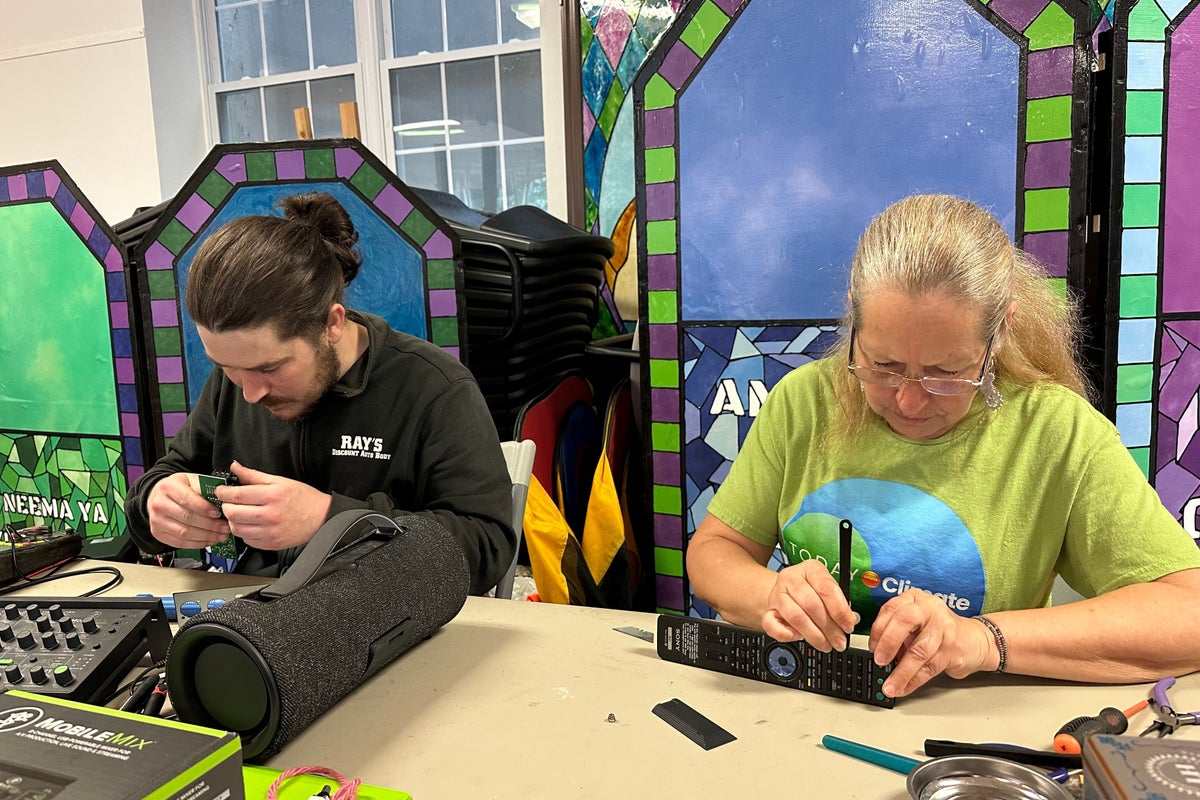
Repair Cafes are free, community-driven events where handy volunteers help neighbors fix their broken stuff. It is a direct assault on our throwaway economy. Instead of spending cash on cheap plastic replacements, people are waking up to the power of keeping their gear alive. For another angle on this event, check out the latest update from Cosmopolitan.
The True Cost of Our Throwaway Habits
We are drowning in e-waste. Globally, we generate over 60 million metric tons of electronic waste every single year, according to the Global E-waste Monitor. Most of that junk ends up in landfills or gets shipped to developing nations, poisoning local ecosystems.
It is not just an environmental disaster. It is an economic trap.
When a zipper breaks on a $120 winter jacket, the jacket isn't ruined. The zipper is. Yet, a professional tailor might charge $40 to replace it, and a manufacturer will tell you to buy a new coat. We have hit a bizarre historical moment where human labor is so expensive and factory manufacturing is so cheap that destruction makes more financial sense than preservation.
That is where volunteer-run repair networks step in. They break the cycle by removing the profit motive from the equation.
Inside the Underground Repair Movement
The concept started in Amsterdam in 2009, when sustainability advocate Martine Postma organized the very first Repair Cafe. She wanted to cut local waste and bring neighbors together. The idea exploded. Now, the Repair Cafe International Foundation supports over 4,000 local chapters worldwide, keeping hundreds of thousands of items out of landfills annually.
What actually happens when you walk into one of these events?
Picture a high school cafeteria or a church basement packed with tools. Long tables are organized by specialty. You will find an electronics station with soldering irons, a textiles area humming with sewing machines, and a mechanical desk littered with wrenches and lubricants.
[Arrival] -> [Weigh-in & Registration] -> [Match with Expert Volunteer] -> [Collaborative Repair] -> [Testing & Success]
You do not just drop your item off and pick it up later. That misses the whole point.
You sit down with the fixer. If you bring a dead desk lamp, the volunteer will hand you a multimeter and show you how to check for continuity in the wire. You learn that a loose nickel wire, not a dead motor, is what killed your appliance. The magic happens when the owner realizes they are capable of understanding their own possessions.
Why the Right to Repair Matters
This movement is not just a quirky weekend hobby for retired engineers. It is a massive political battleground.
For years, tech giants and appliance manufacturers have restricted access to diagnostic software, repair manuals, and spare parts. If your tractor or your smartphone breaks, companies require you to use their authorized service centers. They claim it is for "safety" or "intellectual property protection." Honestly, it is just a blatant cash grab.
The Right to Repair movement has fought back hard. Several states, including New York, California, and Minnesota, have passed landmark legislation forcing corporations to sell parts and provide manuals to independent shops and consumers.
The Pillars of Radical Sustainability
- Tool Libraries: Public hubs where you can borrow a $300 hammer drill or a tile saw for free using your library card.
- The Buy Nothing Project: A massive hyper-local network of over 12 million users who gift, share, and trade goods instead of buying them new.
- Mending Circles: Groups focusing specifically on fast-fashion resistance, keeping clothing in use through visible mending and darning.
Common Myths Keeping You Dependent on Big Retail
Many people hesitate to fix their own gear because they are scared or misinformed. Let's shatter a few of those illusions right now.
Myth 1: Opening my electronics will cause an explosion.
Unless you are messing around with the massive capacitors inside a microwave or an old CRT television, most consumer tech is incredibly safe to open when unplugged. Modern laptops, phones, and small appliances run on low voltage.
Myth 2: It is always cheaper to buy new.
Only if you value your time at a commercial corporate rate. If you spend 20 minutes cleaning carbon buildup off a toaster switch with a piece of sandpaper, you saved a $30 appliance for zero dollars. The financial math changes completely when community volunteers donate their time to guide you.
Myth 3: You need a degree to understand this stuff.
Most mechanical failures are incredibly simple. Loose wires, cracked plastic housings, blown fuses, and dried-out lubricants cause the vast majority of appliance deaths. You do not need to understand quantum mechanics to spot a busted solder joint or a stripped gear.
How to Get Involved Right Now
You don't have to sit back and watch your garage fill up with junk. You can take action today to change how you consume.
First, stop throwing things away immediately when they glitch. Give them a second look. Check the Repair Cafe International Directory to see if there is an active chapter in your city. Most events happen once a month on Saturdays.
If there isn't an event near you, look into the iFixit community. They offer thousands of free, step-by-step repair guides for everything from MacBooks to game consoles, along with specialty tools designed to open modern consumer tech.
If your local area lacks a repair scene, talk to your public library about setting up a tool-lending program or a quarterly repair day. All it takes is a room, a few folding tables, and three or four local tinkerers who are tired of watching good materials go to waste. Stop buying things designed for the trash heap. Fix what you have, share your tools, and take back control over your stuff.