The Geographic Fetishism Destroying Regional Trade
Every few months, trade ministers in Kathmandu dust off the same tired script. A delegation flies north, handshakes are exchanged beneath shivering mountain peaks, and the headlines trumpet a grand diplomatic breakthrough. The Tatopani border point is opening. Commerce will surge. Prosperity is just around the corner.
It is absolute nonsense.
For a decade, the narrative surrounding the trans-Himalayan trade routes has suffered from a chronic case of geographic fetishism. Officials stare at a map, see a red line connecting Nepal to China, and assume that physical proximity automatically translates to economic velocity. They treat asphalt and custom checkpoints like magic wands.
I have watched logistics firms burn millions of dollars trying to force cargo through high-altitude passes that treat heavy freight like an insult. I have seen multi-million-dollar container fleets sit rotting in mountain mud while bureaucrats argue over quarantine stamps.
The lazy consensus says that reopening Tatopani fixes supply chain bottlenecks. The reality is that reopening Tatopani without fixing the structural rot behind it is just opening another expensive parking lot for stranded trucks.
The Infrastructure Illusion
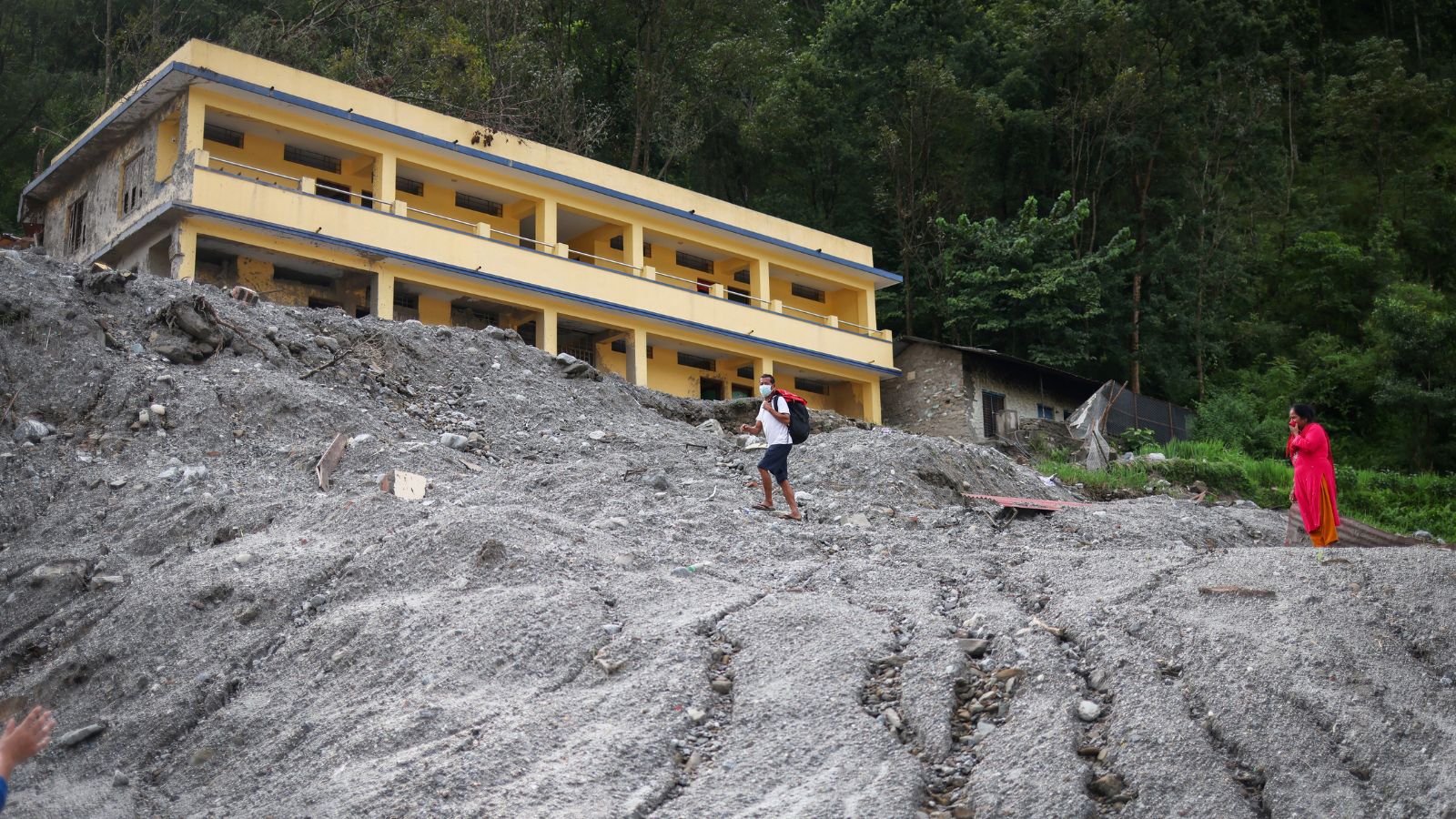
Let us look at the mechanics of how this actually operates on the ground. The Araniko Highway is not a trade corridor. It is a geological hazard zone that occasionally permits vehicular traffic. Monsoon rains do not negotiate with customs officials. Landslides wipe out bridges with casual indifference, turning supply chains into a game of Russian roulette.
When analysts praise the reopening of border crossings, they conveniently ignore the fundamental economics of moving heavy goods across the Himalayas.
- Mountain switchbacks shred transmission lines and throttle freight capacity.
- Transshipment mandates at the border require cargo to be unloaded, inspected, and reloaded by local labor syndicates, adding days of delay and extortionate fees.
- Power supply inconsistencies at dry ports mean cold-chain logistics are practically non-existent.
Imagine a scenario where a manufacturer in Tibet loads electronics destined for Kathmandu. By the time that truck crawls past structural blockages, bureaucratic delays, and seasonal closures, the transit cost per ton makes Chinese goods entirely uncompetitive against maritime imports coming up through Kolkata.
You are not saving money. You are burning capital to satisfy a political photo-op.
The Structural Rot Beneath the Asphalt
The conversation around Sino-Nepalese trade always focuses on hardware when the real crisis is software. Customs digitization is a joke. Clearance times are measured in days rather than minutes.
When the Tatopani crossing was previously operational before the 2015 earthquake and subsequent closures, the trade imbalance was astronomical. Nepal was exporting negligible amounts of handicrafts while importing mountains of consumer plastics. Reopening the border does not magically diversify Nepal's export economy. It simply greases the wheels for a wider trade deficit.
True economic sovereignty does not come from having more gates open to your giant neighbors. It comes from having something worth selling them that they cannot get cheaper elsewhere. Until domestic manufacturing policy moves past subsistence-level production and cottage industries, every border point you reopen is just a turnstile letting foreign goods crush local markets more efficiently.
The Cost of False Hope
Business leaders love to blame geography for their balance sheets. It is comforting to pretend that your supply chain problems would vanish if only the mountain pass were clear of debris.
It is a convenient fiction.
The real friction is institutional inertia. It is the lack of specialized storage. It is the absence of modern freight forwarding standards. It is the refusal of policymakers to admit that dry ports require dry infrastructure, not just a painted gate and a flagpole.
Stop cheering for ribbon-cuttings on mountain passes. Build the internal logistics framework first, or accept that every border opening is just another subsidized route for someone else's exports.