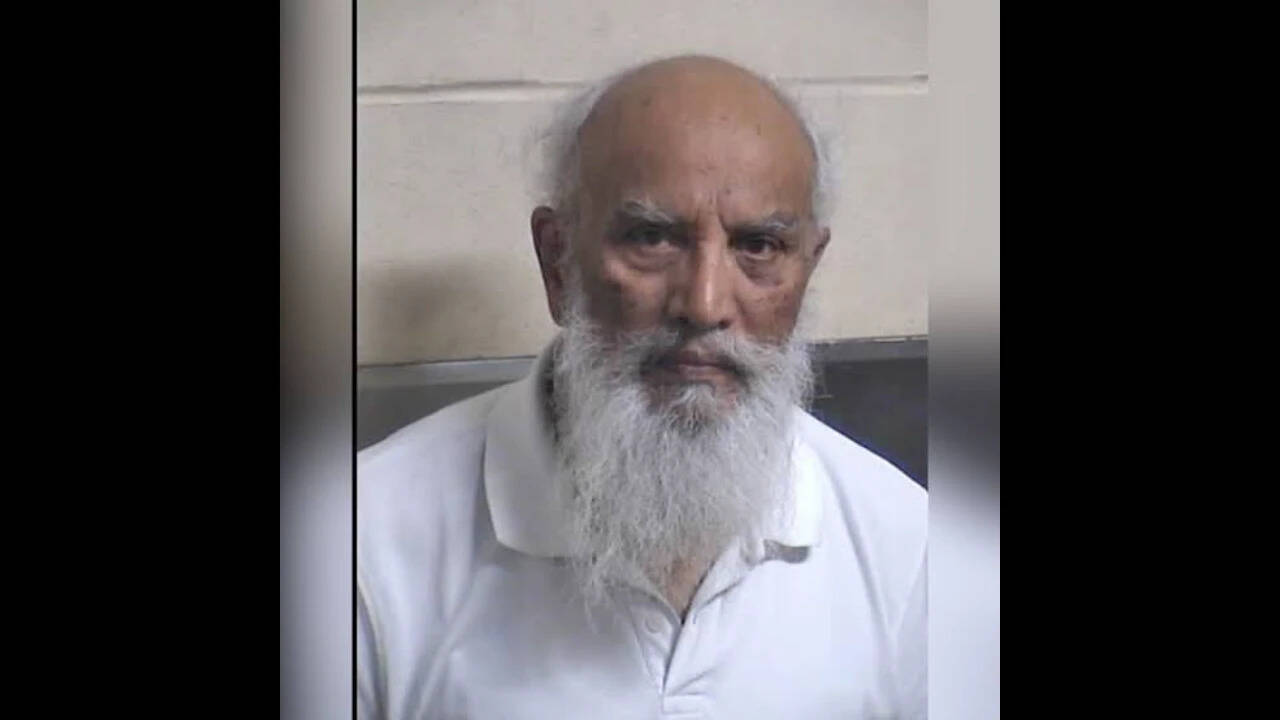
When an unregulated or self-certified wellness practitioner faces criminal prosecution for sexual assault under the guise of therapeutic treatment, the structural failure extends far beyond a single bad actor. The case of a 73-year-old California resident identified in news reports as an acupressure practitioner and healer—accused by multiple clients of sexual battery during treatment sessions—exposes the profound systemic vulnerabilities inherent in how alternative medicine and complementary therapy spaces are monitored, licensed, and legally defended. Analyzing this incident requires stripping away sensationalism to examine the institutional mechanisms that allow boundary violations to occur repeatedly before legal intervention takes place.
The Licensing and Oversight Void
The primary structural risk in complementary and alternative medicine stems from regulatory fragmentation. Licensed medical professionals operate under rigid oversight boards, mandatory reporting standards, and clear statutory definitions of scope of practice. In contrast, many modalities categorized under alternative healing, somatic bodywork, or general acupressure occupy a regulatory gray zone.
States often maintain distinct legal definitions for licensed acupuncturists who have completed formal accredited training versus practitioners utilizing unstructured acupressure, energy healing, or intuitive bodywork. When an individual operates outside strict state-certified medical boards, two distinct failure points emerge:
- Credential Ambiguity: Consumers frequently fail to distinguish between state-licensed healthcare providers and self-certified practitioners who rely on informal credentials or out-of-state certificates. This ambiguity obscures legal recourse and lowers consumer skepticism.
- Absence of Proactive Monitoring: Unlike traditional medical facilities subject to unannounced inspections, peer reviews, and mandatory chaperone protocols for sensitive examinations, alternative healing practices typically occur in isolated, private office settings with zero institutional oversight.
This structural isolation creates a high-friction environment for victims. When inappropriate physical contact occurs behind closed doors, the victim faces an asymmetric evidentiary burden, often pitted against a practitioner's professional defense strategy that frames standard somatic techniques as misunderstood or misconstrued therapeutic interventions.
The Defense Mechanics of Specialized Modalities
In legal defenses involving alternative practitioners accused of professional misconduct or sexual battery, attorneys routinely deploy a predictable structural playbook. The strategy relies on redefining the physical interaction from the domain of criminal law to the domain of specialized technique.
By asserting that the accused is an acupressure practitioner or somatic healer, the defense introduces specialized terminology that lay juries and investigators may find difficult to evaluate objectively. This defense mechanism relies on three distinct pillars:
- Semantic Recharacterization: Labeling invasive or non-consensual physical contact as an established, albeit unconventional, pressure-point stimulation technique designed to release energetic or muscular blockages.
- Inversion of Intent: Framing the client's discomfort or perception of boundary violation as a subjective misunderstanding of aggressive or deep-tissue therapeutic protocols.
- Client Vulnerability Exploitation: Capitalizing on the inherent power imbalance in therapeutic settings where clients seek emotional or physical relief, making them hesitant to interrupt treatment in real-time.
When an attorney states that a client's allegations stem from a misunderstanding of acupressure practice, they are leveraging the lack of standardized, legally codified definitions for non-medical bodywork. The absence of a universal code of conduct for every niche wellness modality creates a defensive shield that complicates criminal prosecution.
Institutional Preventions and Risk Mitigation
Addressing systemic vulnerability in alternative wellness requires a shift from reactive criminal prosecution to proactive structural safeguards. Current legislative frameworks often react only after multiple victims step forward, leaving a trail of vulnerable clients unprotected during the interim period.
Effective risk mitigation requires closing the enforcement gap between licensed medicine and alternative practices. Requiring transparent public registries that clearly state a practitioner's exact legal credentialing status prevents misrepresentation. Furthermore, mandating open-door policies, standardizing the use of clinical observers or chaperones during private bodywork sessions, and establishing independent ombudsman offices for alternative health modalities would dramatically reduce the incidence of undetected boundary breaches.
Institutionalizing these protocols shifts the cost of compliance away from the vulnerable consumer and places it squarely on the practitioner, establishing a verifiable baseline of professional accountability across all forms of physical therapy and bodywork.
Implement mandatory, publicly accessible verification systems for all somatic and alternative bodywork practices to eliminate credential ambiguity before service delivery begins.