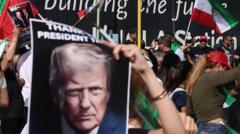
The standard foreign policy "expert" loves the word gamble. They look at the current administration’s posture toward Iran and see a high-stakes poker game where the ultimate prize is a democratic uprising in the streets of Tehran. They claim that maximum pressure is a bet on the house falling down.
They are wrong.
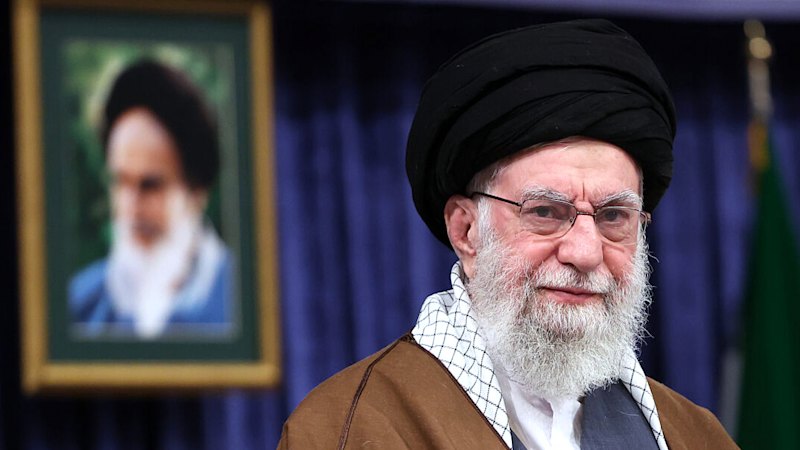
The real gamble isn't that the Iranian regime stays; it’s that it actually leaves. Washington doesn't want a void. It wants a bogeyman. The "lazy consensus" dictates that the United States is pushing for a total systemic collapse to install a Western-friendly liberal democracy. This ignores fifty years of Middle Eastern history and the terrifying physics of power vacuums.
If the Islamic Republic actually fell tomorrow, the result wouldn't be a Persian Jeffersonian democracy. It would be the largest failed state in human history, armed with a sophisticated drone industry, a burgeoning nuclear program, and a proxy network that spans four time zones.
The Stability of Shaky Ground
Conventional wisdom suggests that sanctions are designed to trigger a popular revolution. I’ve sat in rooms with the analysts who map these out. They know better. Total economic isolation isn't a tool for liberation; it's a tool for containment.
When you squeeze a regime, the middle class—the only group capable of sustaining a democratic transition—is the first to vanish. They flee to Europe or Los Angeles. The people who remain are the ones dependent on the state or the black market. By "betting" on regime change, the administration is actually ensuring the regime becomes the only employer in town.
We saw this in Iraq. We saw this in Libya. To believe that Iran—a country with a much more complex internal security apparatus (the IRGC)—would follow a different script is a special kind of delusional. The IRGC isn't just a military; it’s a conglomerate. It owns the construction companies, the telecommunications, and the ports.
If the head is cut off, the body doesn't just stop. It spasms. You end up with 150,000 highly trained, ideologically driven soldiers looking for a new paycheck. That’s how you get "ISIS 2.0," but with ballistic missiles and cyber warfare capabilities.
The Nuclear Brinkmanship Paradox
The "biggest gamble" narrative focuses on the nuclear threshold. The critics say that by walking away from deals and pushing for collapse, we are forcing Iran to build the bomb.
Here is the truth: The bomb is already an irrelevance.
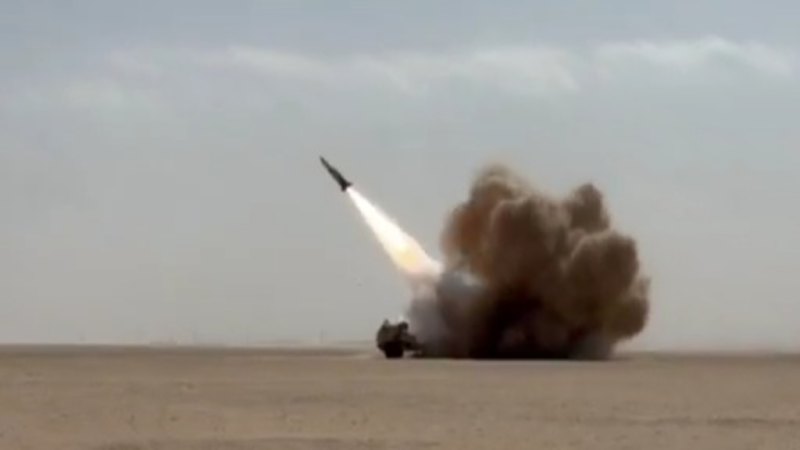
Modern warfare has moved past the mushroom cloud. Iran’s real power lies in its "asymmetric tech stack." While Western analysts obsess over centrifuges, Tehran has mastered the art of the cheap, swarming drone and the regional militia franchise.
- Drones: A $20,000 Shahed drone can disable a $500 million refinery.
- Proxies: Groups like Hezbollah are no longer just "militias"; they are state-level actors with better discipline than most national armies.
- Cyber: Iranian state actors have proven they can reach into the infrastructure of the West without firing a single bullet.
Washington doesn't want to lose this enemy. An identifiable enemy in Tehran justifies a massive military footprint in the Gulf, keeps oil prices predictable through controlled tension, and provides a clear narrative for arms sales to regional allies. A collapsed Iran is a ghost you can't fight and a liability you can't manage.
The False Hope of the Diaspora
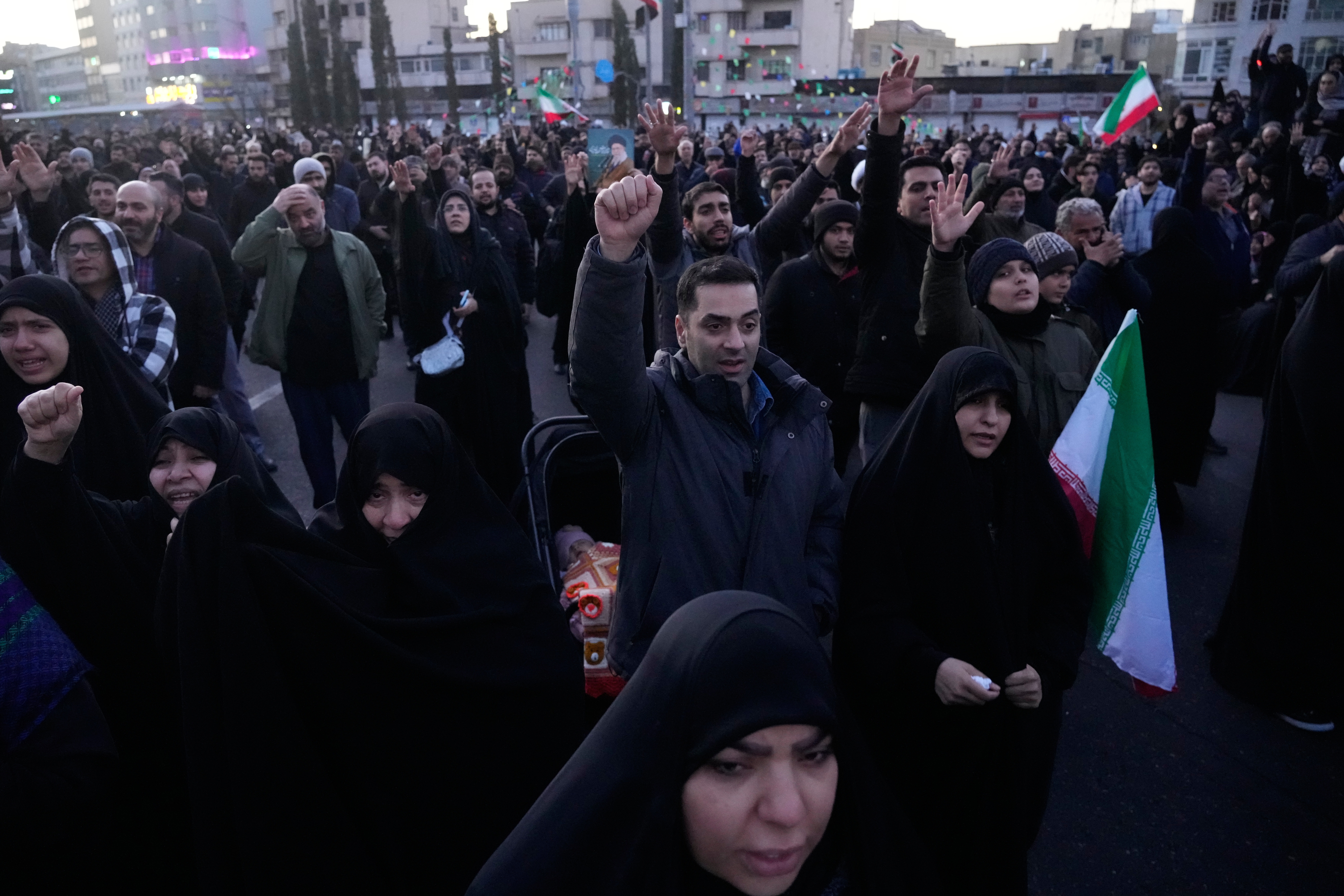
Every time there are protests in Tehran, the "regime change" hawks start printing flyers for the return of the Shah’s son. They talk about the Iranian people as if they are a monolith waiting for a signal from a DC think tank.
I’ve watched these "liberation" movements fail for decades. The gap between the Instagram-savvy youth in North Tehran and the hardline religious base in the provinces is a chasm that no amount of Western funding can bridge.
If the regime falls, the winner won't be the guy in the suit from Maryland. It will be the most organized, most violent group left standing. Usually, that’s the guys who were already holding the guns. Imagine a scenario where the IRGC drops the religious pretense and pivots to a purely ultranationalist military junta. They’d be just as hostile to the West, twice as efficient, and no longer constrained by the baggage of the clerics.
Is that the "win" the pundits are looking for?
The Data of Disruption
Let’s look at the numbers the "gamble" crowd ignores. Iran’s trade with China has shifted from a convenience to a lifeline.
| Metric | 2015 Status | 2024 Status |
|---|---|---|
| Oil Exports to China | Heavily Sanctioned/Low | Record Highs (via "Ghost Fleet") |
| Tech Cooperation | Minimal | Integrated Surveillance/AI |
| Regional Influence | Contained in Iraq | Trans-Regional (Yemen to Lebanon) |
The idea that "maximum pressure" is pushing them to the edge ignores the fact that the "edge" has moved. Iran has successfully pivoted its economy toward a "resistance" model that thrives on the very sanctions intended to kill it. They have built an entire parallel financial system that the SWIFT network can't touch.
Stop Asking if the Regime Will Fall
The question "Will the regime fall?" is the wrong question. It’s a distraction for the Sunday morning talk shows.
The real question is: "What happens to the global energy market when a nuclear-capable state with 85 million people becomes a lawless territory?"
If you think gas prices are high now, wait until the Strait of Hormuz is controlled by three different warlords instead of one central government. If you think the refugee crisis in Europe was bad in 2015, wait until the Iranian middle class decides it’s time to walk to Turkey.
The current administration isn't gambling on regime change. They are practicing managed hostility. They need the regime to be weak enough to be contained, but strong enough to keep the lights on and the borders closed.
The "gamble" isn't about democracy. It’s about maintaining a status quo that is just miserable enough to be useful.
The next time you hear a "specialist" talk about the coming revolution, check their track record. They’ve predicted ten of the last zero successful Iranian revolutions. They aren't analysts; they are hope-peddlers. And in the world of geopolitical power, hope is a high-velocity lead-in to a bloodbath.
Don't bet on the collapse. Bet on the continuation of the grind. The house always wins, and in this game, the house is the military-industrial complex that needs Tehran exactly where it is: behind a curtain, shaking a fist, and keeping the contracts flowing.
Stop waiting for the "big bang" in the Middle East. It’s already happened, and we’re just living in the radioactive fallout of our own failed expectations.
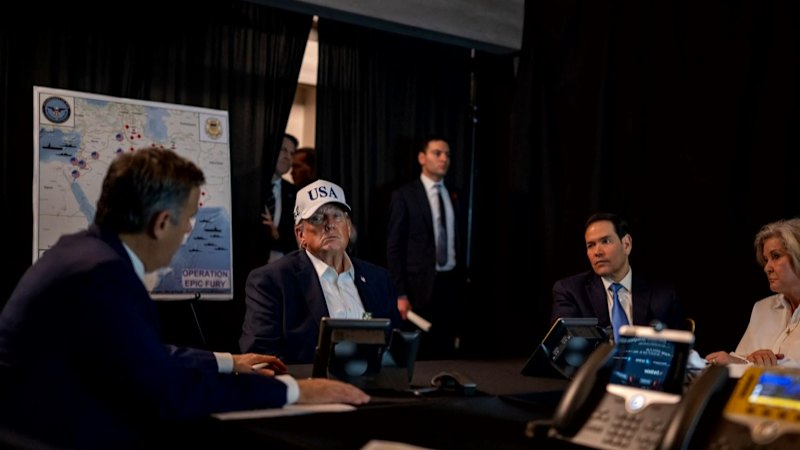
The regime isn't going anywhere, and deep down, the people in the Situation Room are breathing a sigh of relief.