The glowing numbers on a trading monitor do not make a sound when a market collapses. They just turn red.
For anyone sitting in a dark room in Manhattan or London at three o'clock in the morning, watching the crude oil tickers cascade downward, the silence is what stays with you. West Texas Intermediate drops two dollars in ninety seconds. Brent crude follows, a synchronized plunge. To the outside world, this is a headline about a diplomatic breakthrough—a framework for a US-Iran nuclear deal. It sounds like peace, or at least a temporary truce. But on the trading floor, it feels like a sudden loss of cabin pressure.
When geopolitical tectonic plates shift, the shockwaves travel through fiber-optic cables directly into the ledger books of people whose entire lives are leveraged against the price of a single barrel of black sludge. We talk about the oil market as if it were a machine, an abstract chart of supply and demand curves. It is not. It is a fragile ecosystem of human nerve, late-night panic, and high-stakes gambling where an anonymous diplomat's signature in Vienna can wipe out a year of profit before breakfast.
To understand how this world actually works when the screen bleeds red, you have to look past the press releases. You have to look at the people who actually move the money.
The Ghost Supply
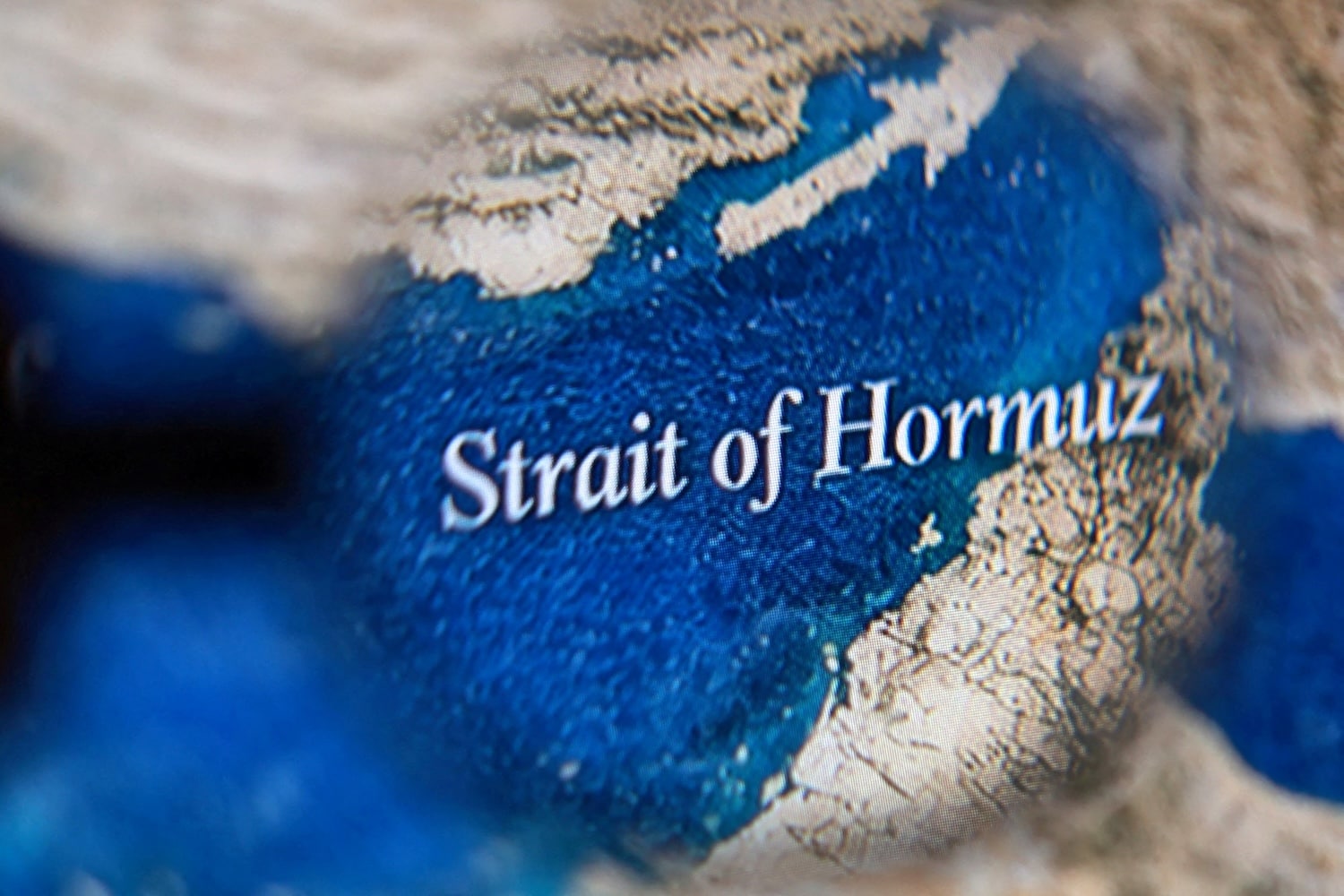
The mechanics of the crash were simple on paper, yet devastating in practice. For years, Iranian oil had been largely locked away from the global economy, cordoned off by strict international sanctions. Millions of barrels sat trapped in tankers anchored off the coast, a phantom fleet waiting in the Persian Gulf. They were there, but they weren't there.
Then came the framework announcement.
Suddenly, that ghost supply threatened to become real. The market hates uncertainty, but it hates an avalanche of unexpected supply even more. Speculators who had built complex financial positions based on scarcity found themselves holding a depreciating asset.
Consider a trader we will call Marcus. He represents the hidden human engine of these market swings. Marcus does not own an oil well. He has never smelled raw petroleum or felt the heavy vibration of a drilling rig in the West Texas desert. He sits in a climate-controlled office, surrounded by six monitors, trading futures contracts. A futures contract is essentially a legally binding promise: I agree to buy or sell this oil at this price at a specific date in the future.
When the news of the US-Iran framework broke, Marcus was long on oil, meaning he had bet that prices would stay stable or rise. The market opened its mouth and swallowed his position whole.
The immediate instinct in that scenario is primal panic. The heart rate spikes. The throat goes dry. The mind scrambles to calculate the damage: hundreds of thousands of dollars evaporating with every tick of the clock. In those moments, the temptation is to freeze, to hope it is a momentary glitch, a knee-clerk reaction that will reverse itself by the time the New York floor opens.
But hope is a luxury that gets you carried out on a stretcher in this business.
The Counter-Intuitive Pivot
What separates a master trader from a casualty of the market is the ability to kill your own biases in an instant. Marcus did not fight the tape. He did not wait for validation or secondary confirmation from analysts who would only tell him tomorrow what happened today.
He flipped.
In the language of the pits, he went short. He stopped trying to catch the falling knife and decided to drive it deeper into the floorboards.
To the casual observer, betting on a market collapse feels cynical, almost ghoulish. It seems like profiting off chaos. But the market has no morality; it only has liquidity. Marcus understood an essential truth about commodity trading: prices fall much faster than they rise. Fear is a more powerful accelerator than greed. When a supply shock hits, the downward trajectory possesses a terrifying, beautiful momentum.
He began selling contracts he did not own, planning to buy them back later at a fraction of the cost. He rode the panic down, turning a catastrophic morning into a masterclass in risk mitigation.
Yet, this pivot reveals the deep irony of global finance. The very framework designed to stabilize international relations and introduce diplomatic predictability instantly triggered an erratic, violent storm in the financial sector. One man’s peace process is another man’s margin call.
The Ripple in the Concrete
It is tempting to view this as a insulated drama, a game played by wealthy people in expensive chairs that has little bearing on the reality of everyday life. That is the great illusion of the modern economy. The red screens at 3 A.M. eventually find their way to your local gas station, your grocery bill, and the interest rate on your mortgage.
When oil tumbles, it sets off a chain reaction through the global supply chain. The immediate effect feels like a victory for the consumer—cheaper fuel, lower transport costs, a little more breathing room at the end of the month.
But look closer at the machinery.
A prolonged drop in oil prices stalls domestic energy production. In places like North Dakota and New Mexico, drilling projects are shelved. Men and women who moved across the country for high-paying oil field jobs suddenly find their shifts cut, then their positions eliminated. The local diners empty out. The equipment manufacturers see their order books dry up.
The global economy is an interconnected web of invisible threads. Pull one, and a knot unties three thousand miles away. The US-Iran framework was not just a political headline; it was a recalculation of the value of energy worldwide. It altered the investment strategies of sovereign wealth funds and changed the calculus for renewable energy startups, which suddenly had to compete with cheaper fossil fuels.
We treat these market shifts as isolated events, clean narratives with a clear beginning, middle, and end. "Oil falls on geopolitical news." It fits neatly into a chyron on a cable news network.
The reality is far more chaotic, human, and messy. It is a story written in real-time by thousands of individuals reacting to incomplete information, driven by fear, flashing algorithms, and the desperate desire to survive until the next closing bell.
The screens will eventually turn green again. The market will find its new equilibrium, digesting the Iranian supply and factoring it into the daily rhythm of global commerce. Marcus will close his notebook, rub his eyes, and step out into the pale morning light of a city that slept through the entire upheaval.
But the peace is always an illusion. Somewhere, another diplomat is preparing a statement, another pipeline is facing a bottleneck, and another ghost fleet is getting ready to weigh anchor. The next red screen is already waiting in the dark.