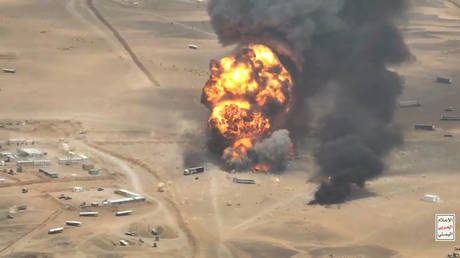
Air defense batteries can only catch so much before the math simply breaks down. When a barrage of ballistic missiles slammed into Muwaffaq Salti Air Base in Jordan, the physical toll on American military hardware finally punched through the Pentagon's carefully managed messaging.
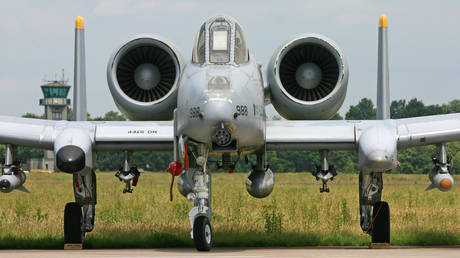
Let's cut straight to what actually happened on the ground. Multiple U.S. military aircraft stationed at the critical Jordanian hub sustained damage during an overnight assault orchestrated by Iran's Islamic Revolutionary Guard Corps. An iconic A-10 Thunderbolt II—the beloved "Warthog" built for close air support—took a direct hit that left it missing an entire wing. Alongside that heavily battered attack jet, roughly eight F-15 fighter eagles suffered shrapnel and blast damage, though maintenance crews managed to patch them back into active service relatively quickly.
The Interceptor Math Problem
You need to look at the defensive expenditure to understand why this strike matters far beyond a few cracked airframes. American and allied air defense crews fired upward of thirty Patriot interceptor missiles just to keep the base from suffering catastrophic structural destruction.
Think about the cost ratio and the logistical strain. Each Patriot missile is a multi-million-dollar piece of exquisite engineering that takes years to manufacture, whereas regional adversaries can scale up ballistic and cruise missile production at a fraction of the cost and time. Pentagon insiders have whispered about a rapidly shrinking stockpile of precision interceptors for months. When you burn through thirty high-end interceptors in a single midnight engagement, you aren't just winning a skirmish; you're bleeding a finite national security resource that cannot be instantly replenished.
Tit-for-Tat Escalation in the Gulf
This targeted destruction in Jordan didn't happen in a vacuum. It represents a direct, fiery feedback loop stemming from escalating maritime skirmishes thousands of miles away. Just hours before the airbase took hits, U.S. forces announced strikes against five Iranian oil tankers operating as part of a shadow fleet funding military operations. Washington claimed those naval actions were pure retaliation for an Iranian ballistic missile attack targeting a U.S. Navy warship near the Strait of Hormuz.
Tehran responded by expanding the theater, utilizing its Aerospace Force to launch coordinated missile salvos against regional staging posts. By hitting Muwaffaq Salti Air Base—a sprawling desert facility roughly 100 kilometers northeast of Amman that acts as a vital launchpad for regional air operations—Iran demonstrated that American aircraft aren't safe even inside heavily fortified hangars and revetments.
What the Headlines Miss About Regional Vulnerability
Most mainstream coverage treats these base attacks as isolated flashpoints, but they expose a structural vulnerability baked into modern expeditionary warfare. Central Command likes to emphasize that no U.S. service members died in this specific bombardment, breathing a collective sigh of relief. Personnel safety is paramount, obviously. But treating zero fatalities as a total victory ignores the creeping degradation of tactical air power.
When your multi-million-dollar tactical jets are sitting ducks inside regional host-nation facilities, your operational flexibility shrinks. Neighboring governments start getting nervous about hosting foreign jets that draw immediate ballistic retaliation. Iran knows it cannot win a conventional dogfight against modern American fifth-generation stealth fighters, so it doesn't try. Instead, it relies on asymmetric missile saturation to wear down air defenses, break expensive toys on the tarmac, and force Washington into an unsustainable financial and logistical war of attrition.
The conflict is no longer a localized exchange of warnings. It's a grinding test of industrial capacity, supply chains, and political endurance that shows zero signs of cooling down anytime soon. Keep a close eye on the Pentagon's monthly munitions replenishment numbers rather than political soundbites if you want to know how long this posture can actually last.