Fear sells, and right now, headlines are doing their best to make you think a "terrifying" new plague is sweeping across the globe. You might've seen the maps. You might've seen the word "confirmed" next to "continents." But before you start sealing your windows with duct tape, let’s get the facts straight. The current buzz stems from a real, tragic situation involving a cruise ship, the MV Hondius, and a handful of confirmed Hantavirus cases. It’s a serious medical event, but it isn’t the start of the next global lockdown.
If you’re wondering why a virus usually found in rural cabins is suddenly making waves in the middle of the Atlantic, you aren't alone. Hantavirus is nasty—there's no sugarcoating that. In the Americas, it carries a fatality rate that can hit 40%. But it’s also notoriously difficult to catch. To understand why this isn't a repeat of 2020, we need to look at how this specific outbreak started and why the "spread" isn't as explosive as it sounds.
What actually happened on the MV Hondius
The story sounds like a thriller script. A cruise ship departs from Argentina in late March 2026, heading for the remote, icy beauty of Antarctica before trekking across the South Atlantic toward Africa. By mid-April, people started getting sick. It wasn't a sniffle or a bit of seasickness. We're talking high fevers, intense muscle aches, and rapid respiratory failure.
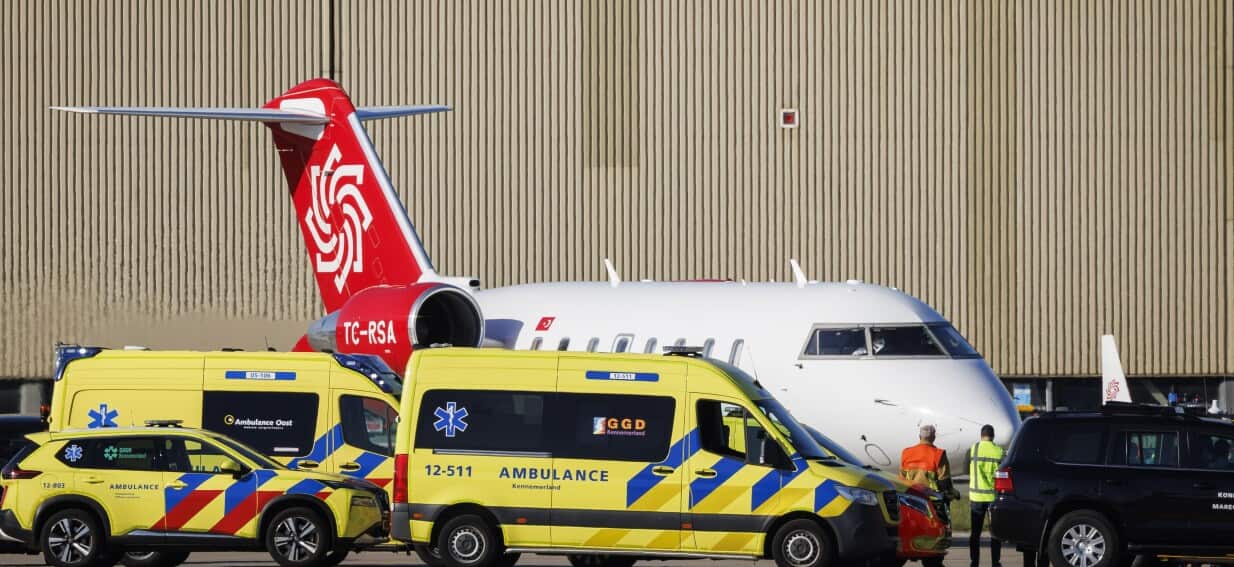
By early May 2026, the World Health Organization (WHO) and the Africa CDC confirmed a cluster of cases. As of now, there are eight confirmed or suspected cases and three deaths. The victims aren't just numbers; they include a passenger who died on board and another who fell ill during a flight to South Africa after disembarking. This specific strain has been identified as the Andes virus, a variant of Hantavirus native to South America.
The "terrifying map" people are sharing basically shows the ship’s path and the locations where sick passengers were evacuated—places like Saint Helena, South Africa, and Cabo Verde. It isn't a map of a virus jumping from person to person through the air in city centers. It’s a map of a single, contained group of travelers moving across the ocean.
How you actually catch Hantavirus
Most people think "virus" and think "coughing." That's not really how Hantavirus works. Usually, it's a "spillover" disease. You don't get it from your neighbor; you get it from rodents. Specifically, you breathe in microscopic particles of dried rodent urine, droppings, or saliva.
Imagine you're cleaning out an old, dusty shed that’s been home to deer mice all winter. You sweep the floor, dust flies up, you breathe it in, and the virus hitches a ride into your lungs. That’s the standard Hantavirus Pulmonary Syndrome (HPS) story.
The MV Hondius situation is a bit weirder because the Andes virus is one of the very few Hantavirus strains that can spread between humans. Even then, it’s not like the flu. You need "really close contact"—think living in the same cramped cabin or caring for a sick relative without protection. The experts at the London School of Hygiene & Tropical Medicine (LSHTM) have been vocal about this: while human-to-human spread is possible with this specific strain, it’s rare and requires prolonged, intimate exposure.
New World vs Old World strains
It’s worth noting that "Hantavirus" is a bit of a catch-all term for a group of viruses. They aren't all the same.
- New World Hantaviruses: These are found in North and South America (like the Sin Nombre virus or the Andes virus). They cause HPS, which attacks the lungs. It’s the deadlier version, with that 40% mortality rate we mentioned.
- Old World Hantaviruses: Found in Europe and Asia. These typically cause Hemorrhagic Fever with Renal Syndrome (HFRS). They hit the kidneys rather than the lungs and are generally much less fatal, usually under 15%.
The reason this cruise ship outbreak is making people nervous is that it involves the New World/Andes variety. But even with that high fatality rate, the virus is a bit of a biological "dead end." It kills its host too quickly and spreads too poorly to cause a massive, sustained epidemic in the general population.
Why health officials aren't losing sleep
Despite the scary headlines, the global risk is currently rated as "low." Organizations like the UK Health Security Agency (UKHSA) and the CDC aren't telling people to stay indoors. Here’s why they’re staying calm:
- Containment works: The ship is currently monitored, and passengers who disembarked earlier are being tracked by health authorities in their home countries.
- No "hidden" spread: Hantavirus doesn't hide well. If you have it, you get very sick, very fast. There isn't a massive army of "asymptomatic carriers" walking around spreading it unnoticed.
- Environmental limits: The virus doesn't survive long outside a host or a rodent nest. It’s sensitive to sunlight and common disinfectants.
If you aren't currently trekking through rural South American forests or sharing a cabin with someone who has a confirmed case, your risk is essentially zero.
Real world precautions that matter
If you live in an area where Hantavirus is endemic—like the western United States or parts of South America—you should take rodents seriously, but not because of this cruise ship. The "Seal Up, Trap Up, Clean Up" method from the CDC is the gold standard for a reason.
If you find rodent droppings in your garage or attic, don't just grab a broom. Sweeping kicks the virus into the air. Instead, soak the area with a mixture of bleach and water for five minutes before wiping it up with paper towels while wearing gloves. It’s simple, it’s boring, and it’s a lot more effective than worrying about a map of the Atlantic Ocean.
What to watch for
If you’ve recently traveled to South America or spent time in rodent-infested areas and you start feeling like you have the worst flu of your life, pay attention.
- Phase 1: Fever, deep muscle aches (especially in the thighs and hips), and fatigue. Sometimes you’ll get dizzy or have a headache.
- Phase 2: This happens four to ten days later. The "leakage" starts. Your lungs begin to fill with fluid. You’ll have a dry cough and a massive struggle to catch your breath.
If you hit that second phase, it's an emergency. Go to a hospital. There isn't a specific "cure" or a vaccine for Hantavirus, but modern ICU care—oxygen therapy and keeping your blood pressure stable—dramatically improves your chances of survival.
Don't let the "terrifying maps" keep you up at night. The MV Hondius situation is a localized tragedy and a reminder that we live in a connected world, but it isn't the beginning of a global catastrophe. Most of us are more likely to be struck by lightning than to contract Hantavirus in a suburban setting. Stay informed, keep the mice out of your pantry, and skip the doom-scrolling.
If you’re planning a trip to a rural area or a South American hike, just pack some common sense. Use sealed containers for food, sleep on cots rather than the ground, and if a cabin looks like a mouse hotel, find somewhere else to stay. That's the only "hacks" you need.