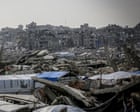
Cuba's President Miguel Díaz-Canel just confirmed what everyone in Miami and Havana has been whispering about for weeks. High-level talks between the Cuban government and Trump administration officials are officially happening. This isn't just another diplomatic photo op or a dry exercise in "statecraft." It’s a desperate response to an island that has basically run out of gas.
If you’ve been following the news, you know the situation in Cuba is grim. For three months, not a single oil tanker has docked. The lights are off more than they're on, and the government is finally admitting that the "energy blockade" is winning. Díaz-Canel’s announcement on Friday wasn't a show of strength; it was a public acknowledgment that the status quo is dead. Recently making waves in this space: The Kinetic Deficit Dynamics of Pakistan Afghanistan Cross Border Conflict.
The Art of the Friendly Takeover
Trump hasn't been shy about his strategy. He’s been using words like "friendly takeover" and "making a deal" since January. To him, Cuba is a "failing nation" that’s "at the end of the line." It’s a classic squeeze play. By cutting off oil from Venezuela and leaning on Mexico to stop its shipments, the U.S. has turned the island into a pressure cooker.
But here’s the twist: the talks aren't just between faceless bureaucrats. We're seeing some heavy hitters involved. Secretary of State Marco Rubio reportedly met with Raúl Guillermo Rodríguez Castro—Raúl Castro’s grandson and a powerful figure in the Cuban military—in St. Kitts last month. When the "historic generation" sends family members to negotiate, you know the stakes are high. Further insights on this are detailed by Al Jazeera.
What's actually on the table?
Don't expect a repeat of the 2014 Obama thaw. This is a different beast entirely. The Trump administration is looking for a "business-style" settlement. Think of it as a restructuring of a bankrupt company.
- Investment Openings: Díaz-Canel hinted that a major announcement is coming Monday regarding the Cuban diaspora. The buzz is that the government will finally allow Cubans living abroad to invest directly in the island's economy.
- Prisoner Swaps: Cuba just announced the release of 51 prisoners, a move brokered by the Vatican. It’s a classic "good faith" gesture to grease the wheels of negotiation.
- The Energy Crisis: The U.S. recently issued a license for companies to sell Venezuelan oil to Cuba’s private sector. It’s a surgical strike designed to keep the people fed while keeping the state squeezed.
Why the Vatican is the Secret Sauce
You can't talk about Cuba-U.S. relations without mentioning the Holy See. Pope Leo XIV has been busy. The Vatican is the only entity both sides actually trust to hold the door open. They were the ones who helped facilitate the prisoner release, and they’re likely the "international actors" Díaz-Canel thanked in his speech.
This isn't just about religion; it's about an off-ramp. If the U.S. wants a "bloodless takeover" or a significant shift in how Cuba runs its business, the Vatican provides the diplomatic cover needed for the Cuban Communist Party to save face.
The Reality on the Ground in 2026
If you’re sitting in Havana right now, you aren't thinking about "bilateral differences." You’re thinking about the fact that your surgery was canceled because the hospital’s generator ran out of diesel. You’re thinking about the 30-hour blackouts.
The Cuban government claims they want a dialogue based on "equality and respect," but their leverage is gone. The loss of Nicolás Maduro in Venezuela earlier this year was the final nail. Without that cheap oil and political backing, Havana is essentially an island in every sense of the word.
Common Misconceptions
People think this is a return to the Cold War. It's not. It’s more like a hostile merger. The Trump administration isn't interested in just "containing" communism; they want to open the market. They're betting that the Cuban leadership is tired of being broke and is ready to trade some political control for a massive influx of American cash and tourism.
Another mistake is thinking Díaz-Canel is acting alone. He made it very clear that Raúl Castro is still pulling the strings from the wings. Any deal made now has the "historic leader’s" blessing. That gives the talks a level of permanence that previous attempts lacked.
What Happens Monday?
Keep your eyes on the announcement regarding the "economic and social development program." If the Cuban government truly opens the door for exiles in Florida to invest in shops, farms, and infrastructure, the blockade becomes moot. The money will flow from Miami to Havana faster than any government program could manage.
This is the "deal" Trump keeps talking about. It’s not a treaty; it’s a series of concessions that fundamentally change how the island breathes.
If you’re looking to stay ahead of this, watch the fuel prices in the Caribbean and the movement of the Cuban peso on the informal market. Those are your real indicators of how these talks are going. The official statements are just the wrapper; the economic shifts are the actual gift.
Immediate Next Steps
- Monitor the official Cuban state media on Monday for the specific terms of diaspora investment.
- Watch for any U.S. State Department updates regarding the "non-essential staff" status at the Havana embassy.
- If you have family or business interests on the island, start looking into the new Treasury Department licenses for private-sector oil sales.