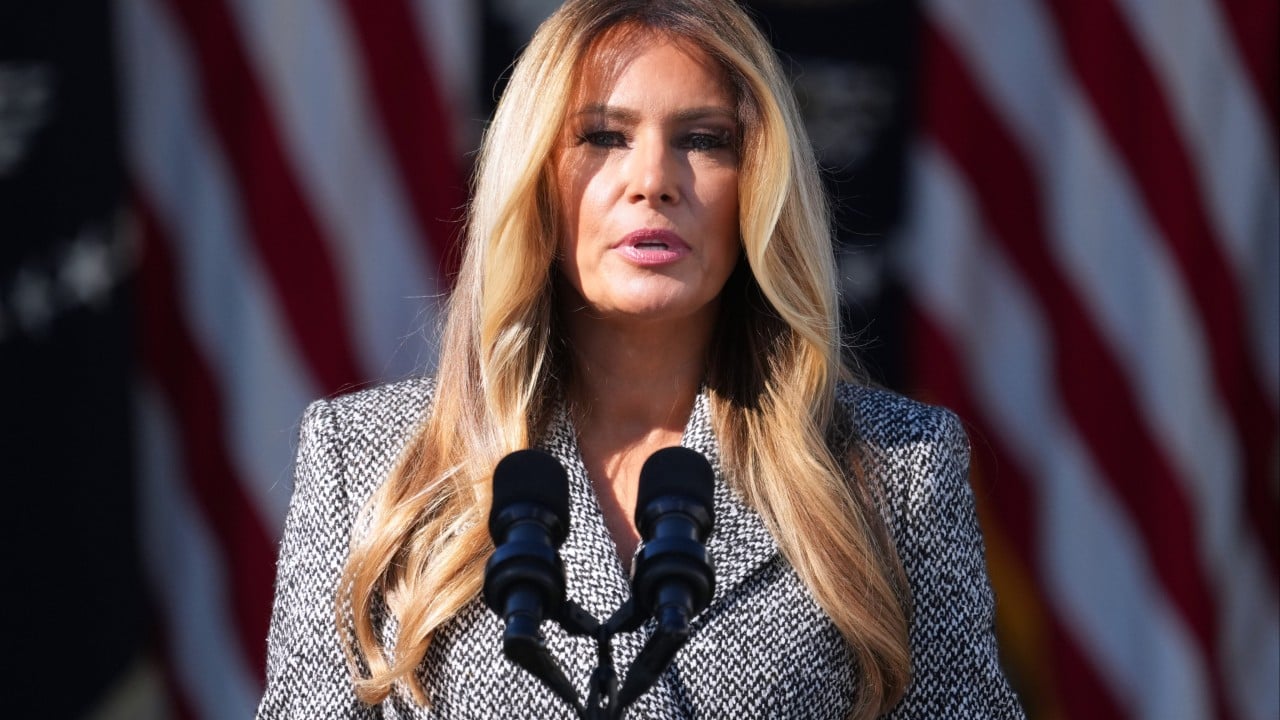
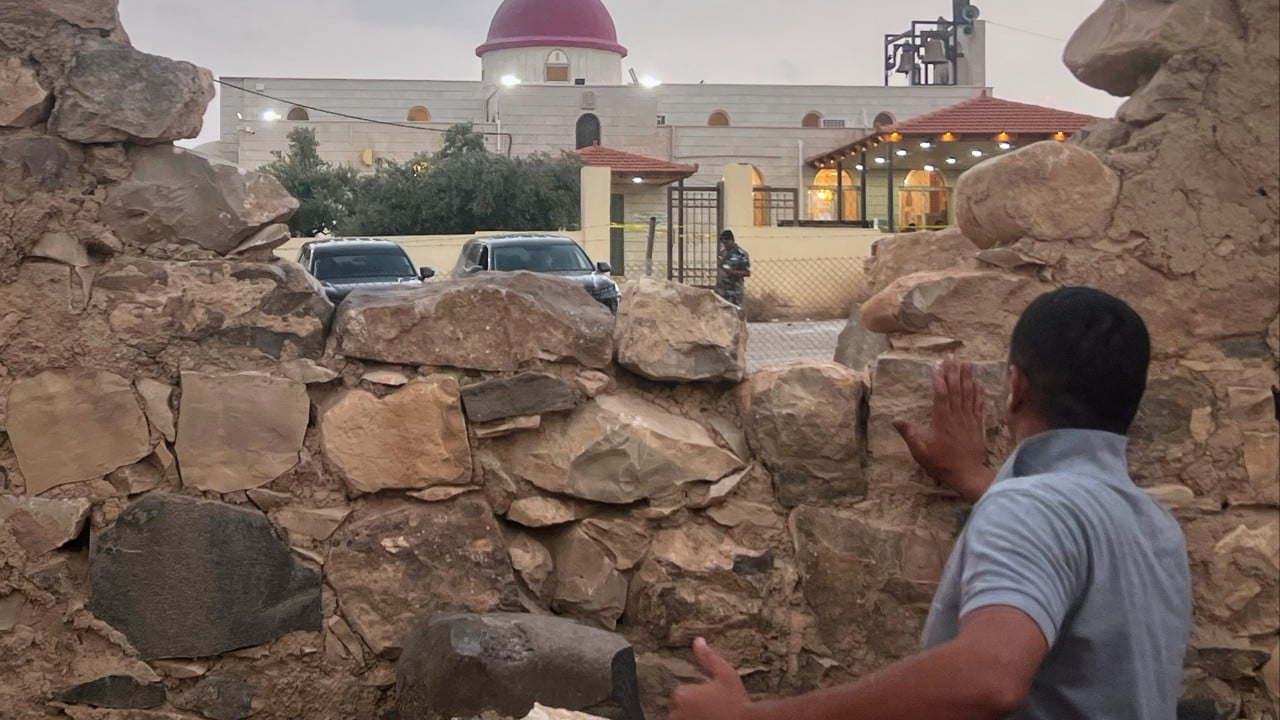
"Secures Ukraine war ceasefire over one city" makes for a punchy headline. It also flattens a messy, multi-party humanitarian story into a simple solo win.
When the White House announced on October 23, 2026, that First Lady Melania Trump had secured a ceasefire localized to the Russian-occupied city of Oleshky in southern Ukraine, the phrasing sparked instant debate. A ceasefire isn't a permanent peace treaty ending the Russia-Ukraine war. It was a temporary, localized pause in fighting meant to let aid in and civilians out of a battered town along the Dnipro River. For a different view, consider: this related article.
Honestly, if you only read headlines claiming one person "secured" a ceasefire in days, you miss almost everything that actually mattered on the ground. Negotiations around Oleshky stretched across weeks after discussions began around September's UN General Assembly. Pope Leo XIV had also spoken directly with Russian President Vladimir Putin on October 16 and Ukrainian President Volodymyr Zelenskyy on October 19 urging a humanitarian truce for the town. And once the pause arrived in late October, the reality on the frontline proved far more complicated than any press release suggested.
Why the Oleshky Ceasefire Matter Still Draws Scrutiny
People searching for news about Melania Trump and a Ukraine ceasefire usually want two straight answers. Did a real pause happen? And did it actually help anyone stuck in the war zone? Related analysis on this trend has been shared by Associated Press.
The short answer is yes, a localized truce took hold in late October 2026 and enabled a rare joint humanitarian and evacuation effort in Oleshky, even as heavy fighting continued elsewhere in Ukraine. Yet calling it a sweeping breakthrough—or attributing it solely to one figure—distorts both the diplomacy behind it and the aftermath that followed.
Oleshky sits across the Dnipro River in the Kherson region and was captured by Russian forces on the first day of the full-scale invasion in February 2022. Before the war, roughly 24,000 people called it home. After years of shelling, fighting, and severe flooding—roughly 90 percent of the city's territory was flooded following the destruction of the Kakhovka Dam—life there became grim. Electricity, heat, and running water were gone. Food and medicine were scarce. By late October 2026, only a small fraction of the prewar population remained, largely elderly residents facing acute deprivation.
A localized humanitarian pause can save lives in the short term without changing the broader military math of a war.
That distinction is crucial. When a headline implies a sudden ceasefire over one city will unravel in days or end the wider conflict, readers get whiplash. What actually unfolded in Oleshky was a tightly scoped, temporary window negotiated across multiple channels.
How the Talks and Credit Got Tangled Up
Diplomacy rarely happens in a vacuum, and humanitarian corridors in active war zones are notoriously fragile. According to the White House and Ukrainian human rights ombudsman Dmytro Lubinets, Melania Trump began engaging on Oleshky after hearing about conditions there during an event around the UN General Assembly in September 2026. She had already been involved in efforts surrounding the reunification of displaced children between Russia and Ukraine, a portfolio her team has highlighted throughout the second Trump term.
At the same time, the Vatican played a visible diplomatic role. Vatican News confirmed that Pope Leo XIV spoke with Putin on October 16 to urge a humanitarian ceasefire for Oleshky, and later spoke with Zelenskyy on October 19 about the crisis. When the White House announced the agreement on October 23 without mentioning the pontiff's earlier appeal, critics accused the administration of hogging credit. Melania Trump later acknowledged having the pope's support, while reporters and analysts noted how messy public credit became when multiple actors pushed overlapping tracks.
Even the start date and timeline had moving parts in early coverage. Initial White House announcements pointed to October 29, while reporting on the ground noted the ceasefire taking effect on October 27 and running into early November so demining, aid deliveries, and civilian evacuations could proceed.
If you've ever watched a high-stakes negotiation get spun into instant political triumphalism, you recognize the pattern. Every side wants the cleanest possible narrative. Yet in war zones, ombudsmen, military planners, aid agencies, and occupying authorities all have to sign off on the mechanics before a single convoy moves.
What Happened When the Truce Opened Oleshky
Once the pause took hold, the human side of the story came into sharp focus. Ukrainian and Russian ombudsmen—Lubinets and Yana Lantratova—were involved in the evacuation effort, and hundreds of residents were eventually moved out of Oleshky in late October.
In November 2026, UN reporting documented evacuees from Oleshky arriving in Kyiv hospitals and receiving proper meals from the World Food Programme and partner groups after years of deprivation. One evacuee described neighbors eating every pigeon in the area out of desperation. For people who had lived under constant drone noise, shelling, and shortages for more than four years, getting out alive and eating a hot meal wasn't a political talking point. It was survival.
Still, humanitarian corridors come with harsh trade-offs that headlines rarely capture:
- Evacuation routes were complex and sensitive: Evacuees moved through multi-leg transit routes involving occupied territory, Russia, and Belarus before reaching Ukrainian-held areas, while officials remained tight-lipped on operational details during the movement.
- Wider fighting didn't stop: While Oleshky saw a localized pause, missile and drone strikes and attacks in other parts of Ukraine continued during the same period.
- Military dynamics shifted afterward: By mid-November 2026, Ukrainian military officials warned that Russian forces had used the lull to rotate troops, reinforce positions, and move into evacuated homes in Oleshky, complicating subsequent aid deliveries and raising alarms over civilians still there.
That last point is the cold reality of localized ceasefires. A pause in artillery or drone fire helps relief workers and evacuees right now. It can also give an occupying force breathing room to reorganize along a contested line.
Common Misconceptions About This Story
Whenever a high-profile name attaches to a war headline, a few predictable myths spread fast. Clearing them up saves you from falling for exaggerated claims.
First, a localized ceasefire is not a peace deal. Oleshky is one town in Kherson. Broader diplomatic talks over the war's future—including trilateral discussions and disputes over weapons, sanctions, and satellite communications—remained separate and far more contentious.
Second, one person rarely "solves" a frontline crisis alone. Even when a public figure helps push negotiations forward, turning a pledge into reality requires mine clearance, troop coordination, convoy logistics, and medical reception on the other end. Crediting a single individual erases both other diplomatic voices—like the Vatican—and the field workers who actually carry out the riskiest steps.
Third, a ceasefire announcement doesn't guarantee lasting safety. Truces in active conflict zones are fragile by nature. Once a temporary window closes, frontline tension snaps back, and conditions for remaining residents can deteriorate again.
Practical Ways to Follow War and Ceasefire News Smartly
If you want to keep up with stories like the Oleshky ceasefire without getting played by clickbait or partisan spin, a few habits make a big difference.
- Check the scope of the word "ceasefire." Always look for whether a pause applies to the whole country, a specific sector, or a single town, and check how many days it's meant to last.
- Cross-check multiple official and independent sources. Compare statements from the White House or Kremlin with reports from the UN, Vatican News, international wire services like the Associated Press or Reuters, and credible Ukrainian or regional outlets.
- Watch what happens after the announcement. Headlines love day-one announcements. The real test comes days and weeks later when aid convoys, evacuees, and frontline commanders report what actually changed on the ground.
- Separate humanitarian relief from strategic victory. Getting food, medicine, and elderly civilians out of a besieged town is meaningful humanitarian work. Treat it as humanitarian news first, and read broader geopolitical claims with healthy skepticism.