Seventy thousand police officers hit French streets on November 5, 2026, while unions called a massive nationwide strike and Emmanuel Macron pushed a hard security crackdown. If you only read the headline version of that day, you'd think France simply exploded overnight. Honestly, it wasn't that simple. Behind the tear gas, closed metro stations, and fiery speeches sits a messy collision between shrinking public budgets, frozen civil service pay, angry teenagers, and bond markets watching Paris like a hawk.
I've watched French street politics flare up enough times to know that headlines love dramatic binaries. State versus street. Order versus chaos. Yet when you zoom in on what actually happened on November 5, you see a country caught in a vise. Unions, high schoolers, hospital workers, and rail staff marched over real grievances, while the Élysée tried to project firm control without letting the budget—or the streets—spirals out completely.
Why the November 5 General Strike Erupted
This walkout didn't come out of thin air in early November. Unrest had been building since September 2026, sparked by squeezed household budgets, overcrowded classrooms, and strained public services. By the time November 5 arrived, major union confederations—led by the CGT alongside other labor groups—had turned simmering frustration into a coordinated national day of action.
Look at the numbers and you immediately spot the friction. Unions estimated roughly 1.6 million demonstrators nationwide and around 350,000 in Paris on November 5. France's Interior Ministry put the tally much lower, counting 575,000 across the country and 60,000 in the capital. That gap isn't unusual in French protests—organizers count broad marches and sympathetic walkouts, while police tally specific routes and checkpoints—but even the conservative government figure points to hundreds of thousands of people turning out on a Thursday.
What were they actually fighting over? Wages and survival, plain and simple. With roughly 5.8 million public-sector workers in France, unions pushed back hard against draft budget plans that ruled out a general pay raise for a fourth straight year. Labor groups estimated that public servants had lost around 16% of their purchasing power since 2017. Meanwhile, private-sector minimum wage adjustments only made the contrast sharper for nurses, teachers, and municipal staff watching groceries and housing eat up their paychecks.
High school and university students added another layer of pressure. Teenagers barricaded schools and marched alongside union members over large class sizes, teacher shortages, stretched timetables, and pressure tied to the Parcoursup university admissions system. When students and unionized workers link arms, the political stakes go way up because the grievances hit both present wallets and future prospects.
Macron's Crackdown and the Security Playbook
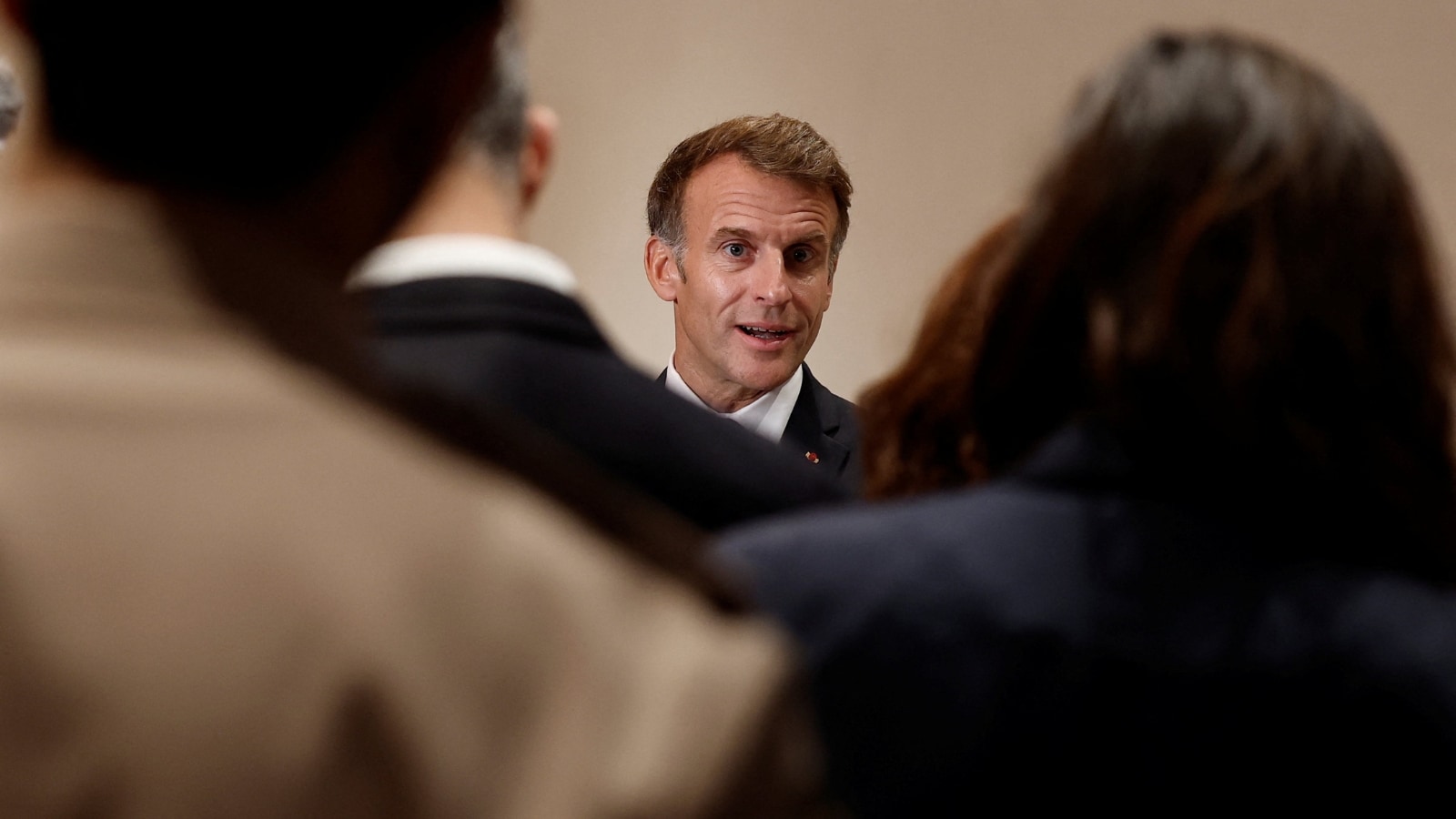
Ahead of and around the November 5 mobilization, Macron leaned hard into a law-and-order stance, warning against "illegitimate" protests and backing heavy police deployments. Authorities deployed roughly 70,000 officers to contain clashes, protect government buildings, and stop violent fringe groups from hijacking marches.
In practice, that security posture shaped the entire rhythm of the day. In Paris, authorities ordered 25 metro stations closed starting at 11 a.m. to manage crowds and chokepoints, while the march ran from République to Nation and the Eiffel Tower stayed shut all day. Rail services saw noticeable disruption—including lighter TGV and regional Ter/Intercités schedules and reduced RER B frequency toward Charles de Gaulle airport—even though core RATP metro, bus, and tram lines were largely expected to run outside closed stations.
Here's the mistake people outside France often make when watching a crackdown. They assume every protester on the avenue is throwing projectiles or trying to battle riot police. In reality, French demonstrations regularly mix peaceful families, union banners, high schoolers, and small groups of masked agitators or clash-seekers at the edges. When police seal off zones, deploy tear gas, or make hundreds of arrests—following already tense late-October weekends that saw hundreds of detentions and serious injuries across the wider unrest—ordinary marchers often end up caught in the middle.
Critics of the crackdown argue that heavy policing and bans on certain gatherings risk turning broad social anger into a pure confrontation with the state, shifting public attention away from hospital staffing or school repairs. Supporters of the tough stance counter that unchecked street violence, property damage, and attacks on officers threaten public safety and democratic order—and feed political extremes. Both arguments reflect real pressures that French leaders have wrestled with for years.
The Budget Trap Behind the Streets
You can't really understand Macron's hard line without looking at the fiscal box France is sitting in. As reported by GIS Reports and covered by outlets like The Guardian, the government has been trying to rein in spending while lawmakers fight tooth and nail over every proposed cut.
France carries a massive public debt load—accounting for roughly 22.5% of total European Union public debt—and investors have watched French borrowing costs climb even above those of countries like Italy and Greece on 10-year debt. When parliament pushes back against spending reductions and talk of special constitutional tools like Article 49.3 or no-confidence votes hangs in the air, the room for big wage concessions shrinks fast.
Even as protests marched on November 5, Prime Minister Sébastien Lecornu moved to set up talks with unions and business leaders for the following Monday on salaries and cost of living. That two-track approach—firm policing in the streets paired with wage and cost-of-living negotiations at Matignon—shows how tight the squeeze is. Give unions everything they want, and markets worry about fiscal discipline. Give them nothing, and the strikes keep rolling.
Did the Strike Keep Its Momentum After November 5?
Not at the same peak, at least not immediately. Following November 5 and weekend actions around November 7, subsequent walkouts and marches—such as days of action in mid-November—saw noticeably smaller crowds and lower public-sector strike participation rates.
Lower turnout doesn't mean the underlying frustration vanished, though. Protest fatigue happens. People miss pay when they strike, parents juggle childcare when schools get blocked, and political gridlock drags on without a clean breakthrough. In France, movements often dip in sheer headcount while the core tension over wages, pensions, and public services stays right under the surface.
What You Should Actually Do If You're Traveling or Planning Around Strikes
If you're heading to France—or managing work, supply chains, or travel there during a protest cycle—stop relying on vague rumors on social media. Check official sources late the night before and early the morning of your trip.
- Verify transit line by line, not just by city. A strike call rarely shuts down every single wheel in Paris or Lyon. Check RATP and SNCF advisories for your exact metro line, RER branch, or train route, and watch for station closures ordered on short notice.
- Give yourself buffer time for airports and major hubs. Even when civil aviation authorities don't mandate broad flight cuts, road blockades, RER disruptions, or heavy police perimeters can slow getting to CDG, Orly, or major train stations.
- Avoid protest routes and flashpoint squares. Marches in Paris frequently route through major arteries and squares like République, Bastille, Nation, or central avenues. If you hear sirens, see crowd-control units staging, or notice shops shuttering early, take another route. Don't linger to film clashes.
- Build flexible bookings into your itinerary. Museums, landmarks, and schools occasionally close or face access delays during big strike days. Booking refundable tickets or keeping a loose schedule saves a lot of stress when plans shift overnight.
- Follow local prefecture and municipal updates. Police prefectures publish route rules, restricted zones, and curfew or perimeter updates when tensions spike. Listening to local guidance beats guessing every time.



