Across the United States, municipal governments are quietly pulling the plug on automated surveillance infrastructure that promised total neighborhood security but delivered an unprecedented civil liberties crisis. More than one hundred towns and cities have deactivated or outright canceled contracts with Flock Safety, the private automated license plate reader titan whose solar-powered pods dot suburban intersections and downtown corridors. This sudden municipal retreat is not just a passing spasm of local politics. It represents a fundamental collision between aggressive corporate public safety salesmanship and a newly mobilized citizenry that has realized their daily movements are being harvested, indexed, and stored by private entities.
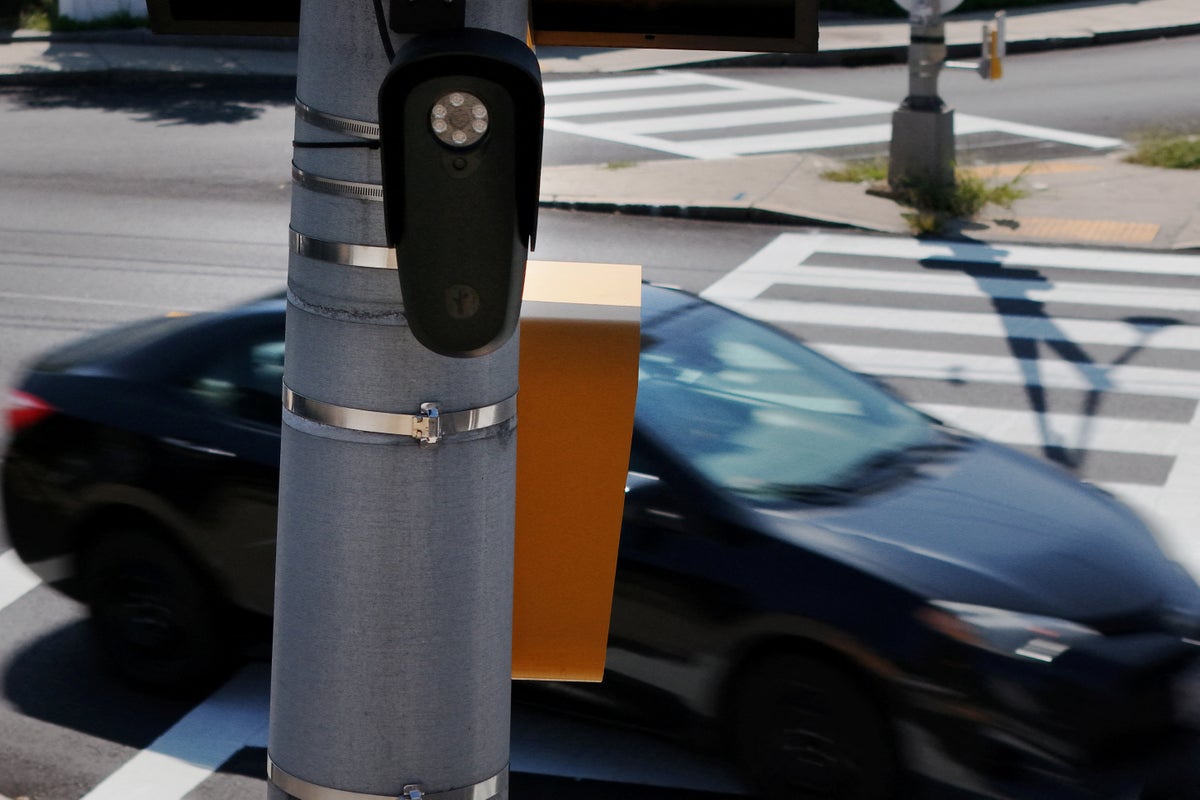
The machinery driving this friction is deceptively simple. Flock Safety deploys high-definition cameras mounted on utility poles and street signs, capturing every passing vehicle not just by its license plate, but by color, make, model, bumper stickers, and roof racks. These systems log billions of data points every month, creating searchable, chronological timelines of where ordinary people drive. A driver dropping children off at school, visiting an oncology clinic, or attending a political protest leaves a permanent digital breadcrumb trail. Law enforcement agencies nationwide embraced the technology because it automated the tedious work of tracking stolen vehicles and amber alerts. Yet, the rapid proliferation of these networks occurred largely behind closed doors, negotiated via municipal procurement loopholes that bypassed public debate entirely. You might also find this connected coverage useful: Why Everything You Think You Know About the Gulf Security Threat is Dead Wrong.
Public officials often signed initial contracts using federal pandemic relief funds or discretionary police budgets, sidestepping the friction of open city council hearings. Vendors framed the hardware as passive traffic safety shields, downplaying the vast data-sharing networks that connect individual municipal databases into a sprawling regional grid. When residents discovered that local police departments were sharing their daily travel logs with out-of-state agencies—or worse, that law enforcement personnel were abusing the proprietary software to stalk former romantic partners or track citizens visiting reproductive healthcare providers—the political consensus shattered.
What makes the current backlash distinct is its cross-ideological friction. In regions traditionally divided along partisan lines, progressive civil rights organizers and anti-tax conservatives have found common cause. In Texas, local chapters of libertarian groups and urban privacy advocates pack county commissioner meetings side-by-side, united by a visceral opposition to state-sanctioned tracking. This bipartisan pushback has caught municipal leaders flat-footed. Mayors and police chiefs who assumed passive surveillance would be an easy sell find themselves facing angry town halls where working-class tradespeople and suburban professionals voice identical grievances about unwarranted state oversight. As reported in latest reports by NPR, the effects are widespread.
The corporate response from Flock Safety has exposed the vulnerabilities of the privatized policing model. As municipal contracts dissolve, the company faces a logistical and public relations nightmare. When cities vote to terminate agreements, physical removal of the hardware often lags for months, leading fed-up citizens to take matters into their own hands. Across dozens of states, vigilantes have taken to neutralizing the cameras using everything from spray paint and trash bags to portable saws. Grassroots tracking groups map every active pole, turning corporate surveillance assets into targets for public ridicule and direct action.
Corporate executives defend the business by arguing that the real enemy is a false dichotomy between privacy and security. They contend that automated license plate readers are no more dangerous than automobiles themselves, requiring regulation rather than outright rejection. Yet this defense misses the structural flaw of the enterprise. Traditional policing relied on human discretion, probable cause, and physical limitations. Automated optical networks rely on perpetual, indiscriminate recording of the innocent and the guilty alike. By turning every neighborhood street into a data collection checkpoint, these systems inverted the foundational American legal principle that citizens should be free from government tracking unless suspected of wrongdoing.
The financial entanglements between tech vendors and local police departments reveal why these networks spread so fast in the first place. Vendors offered low-cost pilot programs, convincing cash-strapped municipalities that a few cameras would solve property crimes overnight. Once embedded, cities found themselves locked into proprietary ecosystems where extracting data or shifting to interoperable formats became nearly impossible. Police departments grew dependent on the searchable archives, integrating them into daily workflows without establishing internal auditing mechanisms robust enough to prevent internal corruption or voyeuristic misuse.
When individual officers were caught weaponizing the databases for personal surveillance, the moral hazard of outsourcing public oversight to private contractors became impossible to ignore. The audits that did surface revealed startling volumes of cross-jurisdictional data queries, with federal immigration enforcement and distant police agencies quietly mining local traffic logs without local authorization. Citizens who believed their municipal tax dollars were funding local crime deterrence discovered their movements were accessible to an opaque network of thousands of law enforcement entities across the country.
As more local governments rescind their contracts, the physical landscape of surveillance is beginning to fracture. Municipalities that spent years installing high-tech lenses are now grappling with the cost of civic distrust. The friction between community expectations of privacy and the insatiable appetite for state data collection has permanently altered local politics. Elected officials can no longer slide surveillance contracts past their constituents under the guise of routine municipal maintenance. Every new pole erected now serves as a lightning rod for community mobilization, transforming quiet suburban intersections into battlegrounds over the future of digital civil liberties.


