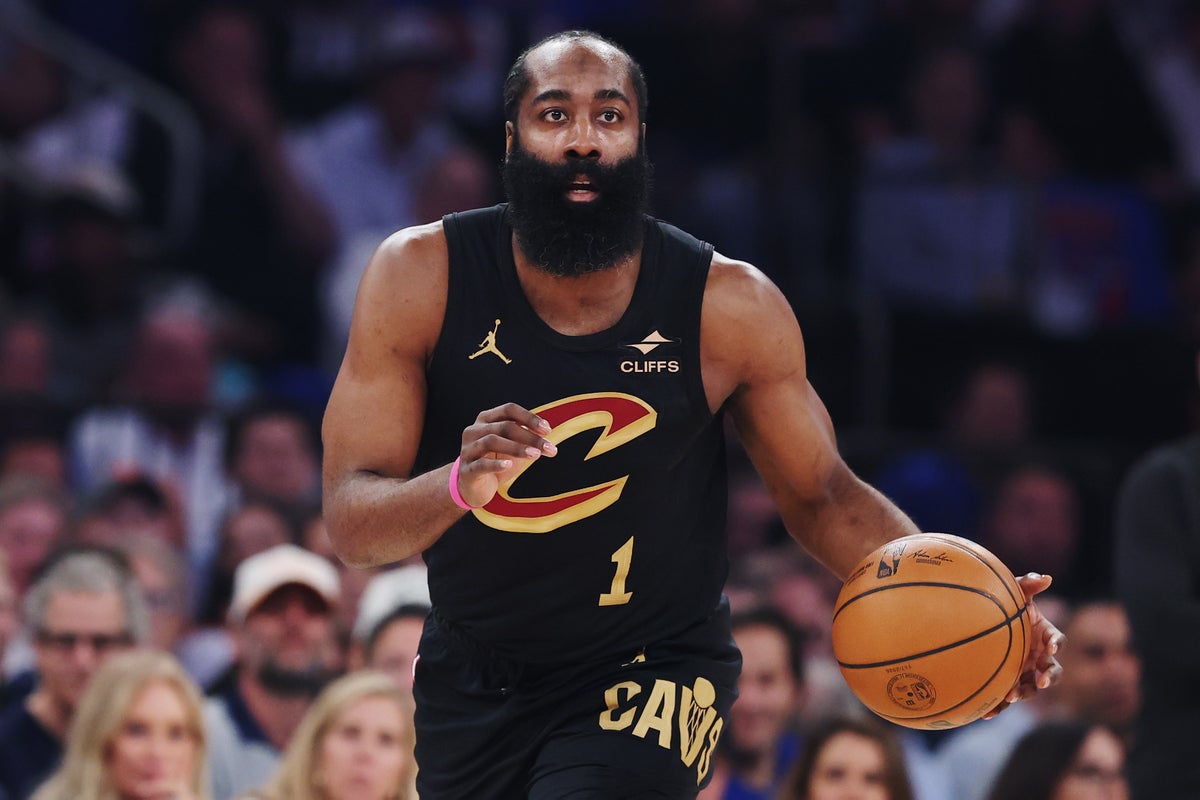
Cleveland Cavaliers guard James Harden was arrested early Saturday morning in Houston, Texas, on a misdemeanor charge of unlawfully carrying a weapon. The 36-year-old former league MVP was taken into custody around 3 a.m. after local police discovered a handgun in plain view and unsecured inside his vehicle. Harden has since been released on bond, but the strict conditions—including random drug testing and a complete ban on alcohol and weapons possession—arrive at a disastrous moment. Fresh off a sweeping 4-0 Eastern Conference Finals loss to the New York Knicks, Harden faces a looming June 22 court date right as he weighs a $42.3 million player option.
This is not just another athlete experiencing a bad night in his hometown. It is a flashpoint exposing the shifting leverage between aging superstars, nervous front offices, and the league's strict disciplinary apparatus under the current collective bargaining agreement.
The Precision of Texas Gun Laws and the Myth of Total Freedom
Texas has a reputation for permissive firearm legislation, which leads to immediate confusion whenever a high-profile athlete is booked on a weapon charge in the state. Under the Texas Unlawful Carrying of a Weapon statute, a person commits a Class A misdemeanor if they intentionally, knowingly, or recklessly carry a handgun in a motor vehicle that they own or control, and the handgun is in plain view while the person is not inside a proper holster.
Harden was not charged with possessing an illegal, stolen, or unregistered firearm. The issue lies entirely in the presentation.
When a weapon sits out on a seat or console without a holster, a routine traffic stop instantly escalates into an arrest. For a veteran athlete who spends considerable time in Houston—the city where he spent his prime basketball years and established extensive business roots—the failure to comply with basic state transportation requirements points to a familiar insulation from operational realities.
The Multi-Million Dollar Leverage Flip in Cleveland
The timing of the arrest creates an immediate financial and roster-building headache for Koby Altman and the Cleveland Cavaliers front office. After acquiring Harden from the Los Angeles Clippers, Cleveland enjoyed a productive regular season where the veteran averaged 20.5 points and 7.7 assists over 26 games.
Then came the postseason brick wall.
The New York Knicks systematically dismantled the Cavaliers in a four-game sweep. Harden’s production dipped significantly to 16.0 points and a mere 3.0 assists per game as New York's physical perimeter defense exposed his declining lateral quickness.
Prior to Saturday morning, the consensus among league executives pointed to Harden declining his $42.3 million player option to sign a longer, restructured multi-year deal with Cleveland. This approach would have lowered his immediate cap hit, allowing the front office room to build a deeper roster capable of matching the physical depth of the Knicks or the Boston Celtics.
That plan is now compromised.
- The Opt-In Risk: If Harden senses that the Cavaliers are wavering on a long-term commitment due to the legal fallout or the strict bond conditions, he can simply opt into the final year of his deal by the late-June deadline. Cleveland would be forced to pay a premium for an aging guard facing legal scrutiny and mandatory random drug testing.
- The Reputation Tax: Cleveland operates as a mid-market franchise that historically avoids high-profile off-court distractions. A protracted legal situation involving a prominent star directly challenges the organizational culture established by head coach Kenny Atkinson.
The Looming League Intervention
While a misdemeanor charge rarely leads to long-term incarceration, the NBA’s Joint Behavioral Health Program and the Commissioner’s office operate on an independent track. Commissioner Adam Silver possesses broad powers under the "conduct detrimental to the league" clause.
Historical precedents show that the league treats weapon violations with extreme severity, regardless of local legal outcomes.
| Player | Year | Incident Overview | League Disciplinary Action |
|---|---|---|---|
| Gilbert Arenas | 2009 | Firearms brought into the Washington Wizards locker room. | Suspended for the remaining 50 games of the season. |
| Javaris Crittenton | 2009 | Involved in the same locker room firearm incident as Arenas. | Suspended for the remainder of the 2009-10 season. |
| Sebastian Telfair | 2007 | Handgun found in his vehicle during a routine traffic stop. | Suspended for three games following a probation plea. |
| Ja Morant | 2023 | Brandishing weapons on social media live streams twice. | Suspended for 8 games, followed by a 25-game suspension. |
The modern NBA cannot afford the optics of weapon-related arrests, especially when the sport is aggressively expanding its corporate partnership portfolio and global media footprint. Even if Harden’s defense team negotiates a dismissal or a pre-trial diversion program in Harris County, the league office will conduct its own investigation.
The bond conditions alone present a logistical hurdle. Undergoing random drug testing and adhering to a strict ban on alcohol consumption requires constant compliance monitoring, creating an administrative shadow over any team that signs or retains him.
The Reality of the Veteran Cliff
The underlying tension of this situation is an athletic decline that no longer matches a superstar lifestyle. At 36, Harden is chasing an elusive championship ring while navigating the final phase of his career. The regular-season bursts of excellence are increasingly overshadowed by postseason disappearances where elite defensive schemes exploit his lack of burst.
When an aging star loses a half-step on the court, their margin for error off the court vanishes completely. Front offices tolerate erratic behavior or logistical baggage when a player is delivering MVP-caliber performances on a nightly basis. When that production drops to sixteen points a game during a demoralizing playoff sweep, that institutional patience evaporates.
The Houston Police Department booking photo is a stark reminder that the twilight of a Hall of Fame career is rarely graceful. Cleveland must now decide if the remaining on-court production justifies navigating a complex legal landscape, strict league scrutiny, and a contract negotiation where they no longer hold the cards.