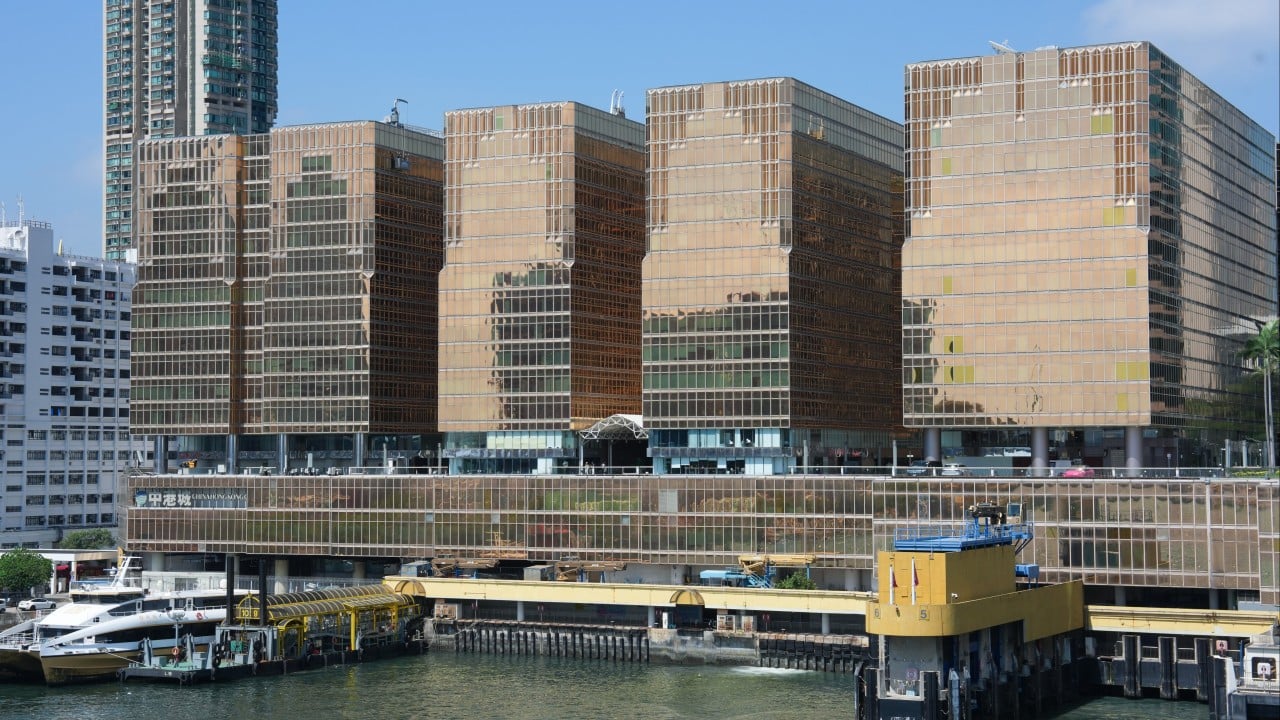
Hong Kong’s cross-boundary ferry infrastructure is facing a structural crisis that requires more than minor adjustments. In 2025, combined passenger volumes at the city’s two primary marine gateways—the Hong Kong-Macau Ferry Terminal in Sheung Wan and the China Ferry Terminal in Tsim Sha Tsui—dropped another 6.5 percent year-on-year, plumbing to just 7.74 million travelers. Lawmakers are now urging the government to shut down the Tsim Sha Tsui facility, merge all commercial routes into Sheung Wan, and pivot the vacated real estate toward luxury superyachts.
The decline is not a temporary post-pandemic slump. It is the permanent result of a massive regional infrastructure shift.
The Billion Dollar Concrete Cannibal
For nearly four decades, the dual-pier setup functioned as a highly profitable duopoly. The Sheung Wan terminal catered to the financial district on Hong Kong Island, while Tsim Sha Tsui served the manufacturing buyers and tourists crowding the Kowloon peninsula.
The strategy worked when the Pearl River Delta was separated by water. It failed when Hong Kong spent hundreds of billions of dollars building bridges and high-speed rail lines specifically designed to make marine travel obsolete.
Cross-Boundary Passenger Flows (2025)
======================================================
Land-Based (Rail, Mega-Bridge, Checkpoints):  92.3%
Marine-Based (Sheung Wan & Tsim Sha Tsui):      7.7%
======================================================
The launch of the Hong Kong-Zhuhai-Macau Bridge and the Guangzhou-Shenzhen-Hong Kong Express Rail Link altered travel patterns permanently. Passengers discovered that a train from West Kowloon could reach the mainland interior in a fraction of the time required by a vessel negotiating Victoria Harbour. Programs like "Northbound Travel for Hong Kong Vehicles" further converted ferry commuters into motorists.
The maritime industry has been outpaced. A ferry ticket to Macau or Zhuhai requires travelers to contend with fixed, rigid sailing schedules, sea conditions, and terminal wait times. Land transport offers constant flexibility.
The Public Sector Manpower Trap
As passenger numbers dwindle, the operational cost per traveler is rising.
During recent Legislative Council sessions, transport sector representatives highlighted an unsustainable fiscal reality: while passenger traffic has dropped, government staffing levels for customs, immigration, and quarantine at these marine terminals have remained largely unchanged.
The government defends this arrangement by citing the need to maintain baseline service standards and handle sudden holiday surges. However, maintaining hundreds of front-line immigration officers to process empty arrival halls is an inefficient use of public funds.
A complete merger would address this issue. Consolidating all scheduled regional routes into the Sheung Wan facility would allow the Immigration Department and Customs and Excise to pool their personnel. This shift would reduce overhead costs while improving processing times at the remaining active terminal.
Converting Commuters to Superyachts
The proposal to close the China Ferry Terminal to passenger ferries is not just about cutting losses. It is a strategic move to capture a more lucrative market: high-net-worth marine tourism.
The China Ferry Terminal sits on a premium slice of Kowloon waterfront, adjacent to the shopping districts of Canton Road and the cultural institutions of the West Kowloon Cultural District. Turning this infrastructure into a dedicated hub for small-to-medium cruise ships and ocean-going superyachts makes financial sense.
Proposed China Ferry Terminal Reallocation
┌────────────────────────────────────────────────────────┐
│ Current Setup: Underutilized Passenger Ferry Berths     │
└───────────────────────────┬────────────────────────────┘
                            │
                            ▼
┌────────────────────────────────────────────────────────┐
│ Future State: Superyacht Hub (200-300 Tonne Vessels)   │
├────────────────────────────────────────────────────────┤
│ • Automated Immigration Clearance                      │
│ • Direct Access to Tsim Sha Tsui Luxury Retail         │
│ • Integration with West Kowloon Cultural District      │
└────────────────────────────────────────────────────────┘
The facility already possesses the marine architecture to handle 200-tonne to 300-tonne vessels, alongside built-in customs and immigration infrastructure. Superyacht owners currently avoid Hong Kong due to a lack of premium berths and clear customs clearance protocols. Opening a dedicated downtown checkpoint for luxury vessels would attract high-spending visitors directly into Hong Kong’s retail and cultural core.
The Logistics of Consolidation
A complete merger introduces significant operational challenges. The Hong Kong-Macau Ferry Terminal in Sheung Wan is currently underutilized compared to its pre-pandemic peaks, meaning it has the physical capacity to absorb Kowloon’s remaining routes to Zhuhai, Zhongshan, Nansha, and Shunde. However, capacity involves more than just berth availability.
Marine operators must reallocate vessel slots, coordinate with mainland port authorities, and adjust to different tidal patterns on the southern side of the harbor. Moving all operations to Hong Kong Island also adds travel time for commuters living in Kowloon and the New Territories, who will have to cross the harbor just to board a boat heading north.
The Secretary for Transport and Logistics has maintained a cautious stance, calling for a prudent examination of the proposal. The government's hesitation stems from the fact that regional operators have recently invested in new mainland terminals, such as the new Zhongshan Passenger Port. These operators require stable, predictable access to Hong Kong's urban center to justify their investments.
Redefining the Waterfront
If the Tsim Sha Tsui terminal is converted to serve luxury vessels, it cannot operate with the staffing models of the 1980s. Lawmakers are proposing a compromise: retain the terminal's customs status but replace manual check-in counters with automated immigration clearance technology. This would allow luxury travelers to clear customs efficiently without requiring large teams of permanent personnel.
Hong Kong can no longer afford to maintain overlapping, underutilized transit hubs out of habit. The city’s transport network has moved past the era of the cross-boundary ferry dominance. Success now depends on converting aging transport infrastructure into high-value economic assets.
The choice facing transport authorities is clear: continue funding underutilized ferry terminals, or convert the Kowloon waterfront to capture the high-value luxury marine market.