Australia is quietly surrendering its critical natural resources and intellectual property to a handful of multinational technology firms under the guise of digital progress. The recent warning from Greens Senator Sarah Hanson-Young that the nation is sleepwalking into an artificial intelligence crisis and a tech bro free-for-all highlights an uncomfortable truth. Federal policymakers are consistently prioritizing corporate tech relationships over sovereign resource security. The real issue is not the inevitability of technical advancement. It is the systemic failure of state and federal regulatory frameworks to treat data infrastructure with the same strict scrutiny applied to other heavy, resource-extractive industries.
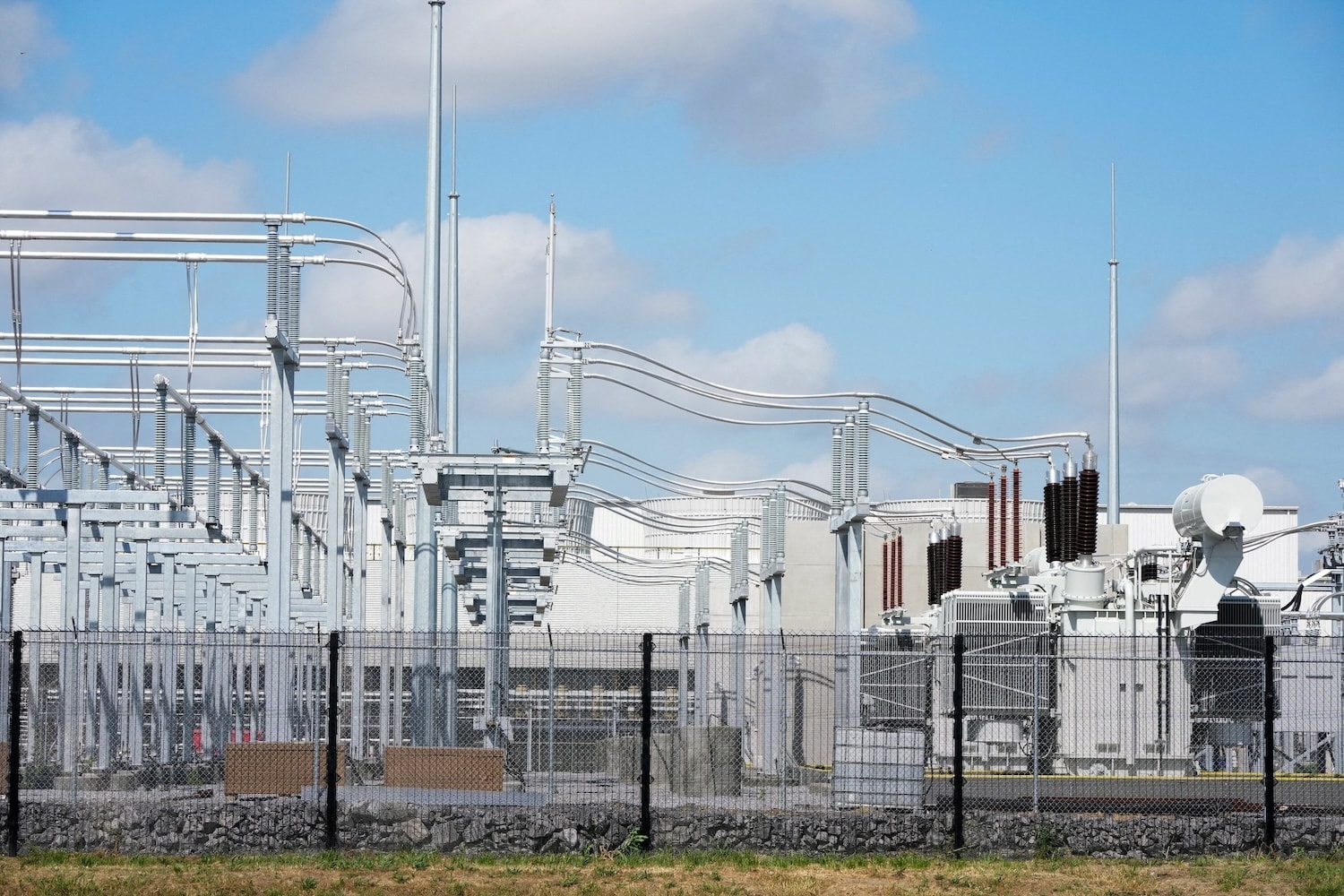
While public attention fixes on the philosophical debates of machine intelligence, a physical resource grab is unfolding across the Australian continent. AI applications require immense computing power, which translates directly into massive physical facilities. These buildings require vast amounts of electricity and fresh water to function continuously. Australia, historically plagued by severe drought and a fragile energy grid, is approving these developments with minimal community consultation or environmental oversight. The political class is treating international software companies as benign investors rather than what they actually are: heavy industrial operators seeking cheap inputs.
The Resource Extraction Economy of the New Century
For more than a century, Australia functioned as a primary commodity exporter, digging up iron ore, coal, and gas for foreign markets. The current gold rush for data storage follows the exact same economic template, but with a more insidious twist. Tech companies are building massive processing hubs across the country, consuming local public utilities while returning minimal taxable revenue or long-term employment to local communities. The infrastructure required to train and run large-scale neural networks requires specialized processing units that generate immense heat. Cooling these facilities requires millions of liters of water every single day.
Data centres are essentially factories that produce nothing but computational output, yet they enjoy the zoning and utility privileges of standard commercial real estate. Senator Hanson-Young, who chairs the Senate inquiry into artificial intelligence and data centres, accurately characterized this dynamic as a new extractive industry. Unlike a traditional mining operation that must navigate complex environmental impact statements and pay royalties on extracted material, tech companies face remarkably low barriers. They plug into municipal water supplies and the national electricity market, taking vital resources while returning very little economic substance to the citizens who rely on those same utilities.
The scale of the infrastructure boom is unprecedented. Estimates indicate that the power consumption of Australian data centres will more than double within the next few years. This surge occurs at the worst possible moment for an energy grid trying to manage a transition away from fossil fuels. The addition of massive, flat-line baseload demands from global technology firms threatens to prolong the lifespans of aging coal-fired power plants. When a tech corporation claims its operations are carbon-neutral, it frequently relies on the purchase of offset certificates rather than an actual reduction in physical grid strain. The immediate local reality is a dirtier, more expensive energy market for ordinary households.
Liquid Assets and Broken Grids
Water security remains the most pressing unexamined variable in the tech infrastructure expansion. A single mid-sized data centre can consume hundreds of thousands of liters of potable water daily, primarily through evaporative cooling systems designed to prevent hardware failure. In a country where water allocations are highly contested and strictly monitored for agriculture, the tech sector operates with astonishing freedom. Municipal councils regularly approve massive server facilities without assessing how their water intake will impact regional aquifers during prolonged periods of drought.
Consider the physical reality of these systems. When temperatures soar during an Australian summer, the cooling demands of server farms spike exponentially. This creates a compounding crisis where the tech industry drains municipal water supplies at the exact moment that human populations and agricultural zones face severe supply restrictions. It is an unsustainable trade-off. Governments are essentially prioritizing the uptime of remote cloud systems over the water security of regional communities. The lack of transparency surrounding the precise water consumption figures of these facilities makes independent public scrutiny nearly impossible.
The electricity grid faces a parallel threat. The continuous, unyielding demand of data facilities strains transmission networks and inflates wholesale power prices. While households are told to minimize usage during peak hours to avoid blackouts, industrial server operations run unabated. This creates a hidden subsidy where public infrastructure is stressed to maximize the corporate profits of foreign tech enterprises. The federal government has actively courted these investments, presenting Australia as a safe, stable location for data storage without forcing companies to build independent renewable generation to cover their vast electrical footprints.
The Content Cleansing of the Sovereign Web
The extraction is not merely physical; it is cultural and intellectual. Alongside the drain on physical resources, global technology companies are systematically harvesting Australian creative output, journalism, and cultural knowledge to train commercial AI models. Independent Senator David Pocock raised this critical issue in Parliament, questioning the federal government about intense lobbying from tech entities seeking exemptions from copyright law. The tech industry wants free, unhindered access to the work of Australian artists, writers, and media institutions to feed their commercial systems.
The current legal landscape leaves local content creators highly vulnerable. Big tech firms routinely scrape the Australian internet, capturing intellectual property without compensation, attribution, or consent. When challenged, these companies argue that using copyrighted material for AI training constitutes fair use or a transformative act. This is a corporate fiction designed to bypass legitimate licensing frameworks. If a foreign entity took physical copies of Australian books or news archives to build a commercial product, it would face immediate legal action. Because the theft occurs via automated web scrapers, the government has hesitated to intervene effectively.
+-----------------------------------------------------------------------+
|                       The AI Extraction Loop                          |
+-----------------------------------------------------------------------+
|  1. Resource Drain: Takes local water & grid power for cheap          |
|  2. Content Scraping: Vacuums local art, journalism & culture         |
|  3. Monetization: Sells proprietary models back to Australian publics |
|  4. Profit Export: Funnels revenue to offshore corporate headquarters |
+-----------------------------------------------------------------------+
There are troubling indications that the current federal government is considering legislative carve-outs that would favor international tech firms over local creators. Rumors of special exemptions or watered-down licensing frameworks suggest an administration more concerned with pleasing silicon valley executives than protecting the domestic creative economy. Granting these concessions would be catastrophic for the long-term viability of Australian journalism and art. It establishes a precedent where local intellectual capital is treated as a free raw material for foreign systems, which are then sold back to the Australian public for a premium.
The Regulatory Void in Canberra
The core driver of this crisis is a profound regulatory failure within the federal government. Australia consistently lags behind international peers when it comes to technology governance. While the European Union enacted comprehensive legislation with clear risk tiers and enforcement mechanisms, Australia relies on a patchwork of voluntary guidelines and toothless advisory bodies. The abandonment of plans for a standalone, comprehensive AI Act in favor of adapting existing, outdated laws has effectively left the gate open for unregulated corporate experimentation.
The creation of an AI Safety Institute sounds impressive in a media release, but it lacks the statutory authority to enforce compliance or penalize bad actors. It functions primarily as a shield for political inaction, allowing ministers to claim they are addressing the issue while avoiding any meaningful intervention that might upset corporate backers. This hands-off approach aligns perfectly with the desires of major technology companies, who actively lobby against hard legislative guardrails. They prefer voluntary frameworks because they can ignore them whenever profit margins require it.
This regulatory paralysis leaves ordinary citizens exposed to significant harms. Beyond the environmental and intellectual property concerns, the proliferation of unmonitored algorithmic systems impacts workplace safety, financial lending, and consumer privacy. The government's decision to focus heavily on social media restrictions for teenagers serves as a convenient political distraction. It allows politicians to project an aura of digital toughness while simultaneously allowing the foundational infrastructure of unregulated algorithmic technology to expand across the country without oversight.
A Hard Brake Before the Dry Out
The solution to a resource grab is not complex, but it requires a level of political courage that has been noticeably absent in Canberra. Senator Hanson-Young’s call for a complete moratorium on the approval and construction of new data centres represents a necessary first step. A pause is essential to allow regulatory frameworks to catch up to industrial realities. Before another server farm receives approval, federal and state governments must establish binding environmental and economic conditions that protect the national interest.
Immediate Legislative Demands
* Impose an immediate halt on new data centre approvals until comprehensive environmental audits are complete.
* Mandate 100% independent, off-grid renewable energy generation for all facilities exceeding five megawatts.
* Require full public disclosure of daily water consumption metrics for every operating data infrastructure asset.
* Enact strict statutory copyright protections with mandatory, transparent licensing fees for Australian content.
Data facility operators must be legally mandated to provide their own power through new, dedicated renewable energy projects rather than drawing from the existing public grid. If a company wants to operate a massive processing facility in Australia, it must build the solar or wind infrastructure required to run it. Furthermore, cooling technologies must shift away from evaporative water consumption toward closed-loop, water-free alternatives, regardless of the increased capital cost to the operator. The era of treating precious drinking water as a free coolant for corporate servers must end.
On the intellectual property front, the government must reject any proposed copyright exemptions for machine learning models. The principle must be absolute: no commercial use without explicit consent and fair financial compensation. If tech companies refuse to pay for the Australian journalism and art they consume, they should be blocked from scraping local digital domains. Australia cannot afford to remain an unregulated playground for foreign tech firms. The resources are too scarce, the creative economy is too fragile, and the long-term cost of political passivity is far too high to allow this extraction to continue unchecked.