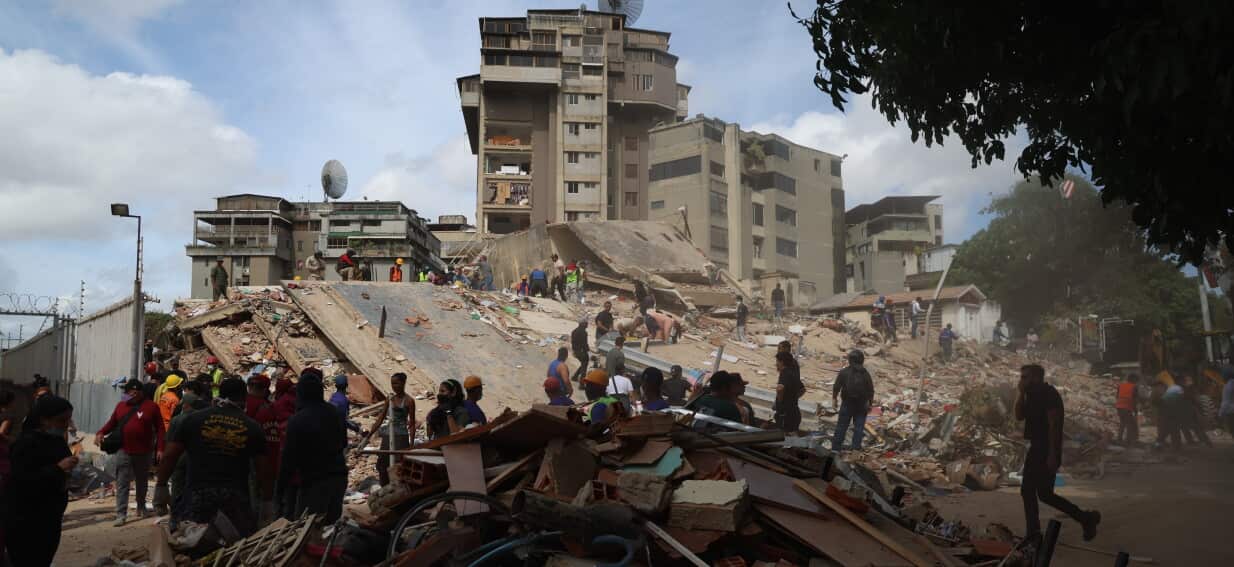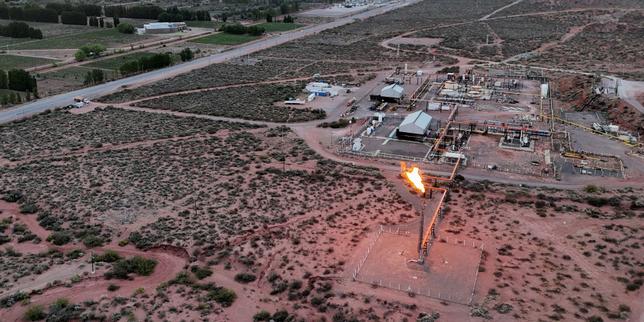
Thousands of workers are packing their bags for Patagonia. They are chasing a dream. It is the dream of high wages, stable work, and a escape from Argentina's brutal inflation. Deep in the desert of Neuquén sits Vaca Muerta, one of the largest shale formations on earth. It holds the world's second-largest reserve of shale gas and the fourth-largest of shale oil. Companies see dollar signs. Workers see survival. But look past the shiny narrative of an economic savior, and you find a region bucking under the weight of its own success.
The promise of Vaca Muerta is simple. If you endure the brutal shifts, the freezing winds, and the isolation, you can earn triple what a standard job pays in Buenos Aires. That draws desperate people. It draws them by the busload. Yet, the reality hitting these workers on arrival is a massive housing crisis, overtaxed infrastructure, and an environmental toll that locals cannot ignore. The boom is real, but so is the fallout.
Why Vaca Muerta Draws Thousands Despite the Risks
Argentina's economy has spent years on a rollercoaster of high inflation and currency devaluations. In that environment, the energy sector stands out as a rare beacon of hard currency. Vaca Muerta represents a massive geopolitical asset. For a country starved of foreign reserves, exporting oil and gas from Patagonia is the golden ticket.
This macro-economic desperation trickles down to the individual worker. When a young laborer sees the chance to earn a premium wage in the oil fields, the decision seems obvious. They pack up and head to Añelo, the dusty epicenter of the shale boom. Ten years ago, Añelo was a sleepy town of about 2,000 residents. Today, it's a chaotic hub teeming with trucks, containers, and temporary housing blocks, struggling to support a rotating population that has ballooned past 15,000.
The influx creates an immediate bottleneck. The town cannot build houses fast enough. Rents have skyrocketed to levels that rival the most expensive neighborhoods in the capital city. Some workers end up sleeping in cars or sharing cramped trailers with half a dozen strangers. It's a gold rush atmosphere, complete with the lawlessness and high prices that always follow quick money.
The Ecological Toll of the Shale Eldorado
You cannot talk about Vaca Muerta without talking about fracking. Hydraulic fracturing requires millions of liters of water, mixed with sand and chemicals, pumped deep underground to crack open the shale rock. In an arid region like Argentine Patagonia, water management is a flashpoint.
Local indigenous communities, particularly the Mapuche, have raised their voices for years. They point to the contamination of local water tables and the sheer volume of freshwater diverted from agricultural valleys to oil wells. The visual contrast is stark. On one side, you have traditional fruit orchards struggling for irrigation; on the other, mega-convoys of water trucks heading to the fracking pads.
Then come the earthquakes. Neuquén historically was not a seismically active zone. That changed. Since the intensification of fracking operations, towns like Sauzal Bonito have experienced hundreds of low-intensity tremors. Residents blame the wastewater injection wells, where toxic drilling fluids are pumped back into the earth. Houses are cracking. People are scared. Government monitoring has historically been slow, leaving locals to feel like collateral damage in the name of national energy independence.
Life on the Shifts
The work itself is grueling. Twelve-hour shifts are the standard. The Patagonian weather is unforgiving, shifting from scorching summer heat to sub-zero winter blasts with howling winds. The risk of accidents is a constant shadow. Labor unions have repeatedly struck over safety conditions, pointing to a string of fatal accidents on the rigs over the past few years as companies push for faster production times.
The mental toll is just as heavy. The rotation schedules—often two weeks on the field followed by one week off—strain families. Workers spend their days off trapped in a cycle of exhaustion, trying to recover before the next rotation starts. The high wages quickly vanish into high living costs, leaving many wondering if the sacrifice matches the reward.
Balancing National Wealth with Local Survival
Argentina needs Vaca Muerta. The state-backed energy giant YPF, along with global majors like Chevron, Total, and Shell, are pouring billions into the ground. Pipelines are being built to carry gas to Buenos Aires and eventually to export terminals for Brazil and the global market. It is a project of survival for the country's treasury.
But a sustainable boom requires more than just drilling wells. It requires building schools, upgrading hospitals, and paving roads that are currently being chewed to pieces by heavy industrial traffic. It requires strict environmental oversight that holds operators accountable for seismic activity and water pollution. Right now, the drilling is outpacing the governance.
If you are looking to jump into the Vaca Muerta rush, go in with your eyes open. Do not show up in Neuquén without a secured contract and a confirmed place to sleep. Secure a position through an established contractor before leaving your hometown. For those observing from the outside, watch the infrastructure gap and the environmental court cases. The real success of the Patagonian eldorado will not be measured by how many barrels of oil come out of the ground, but by whether the communities living above the shale survive the process.