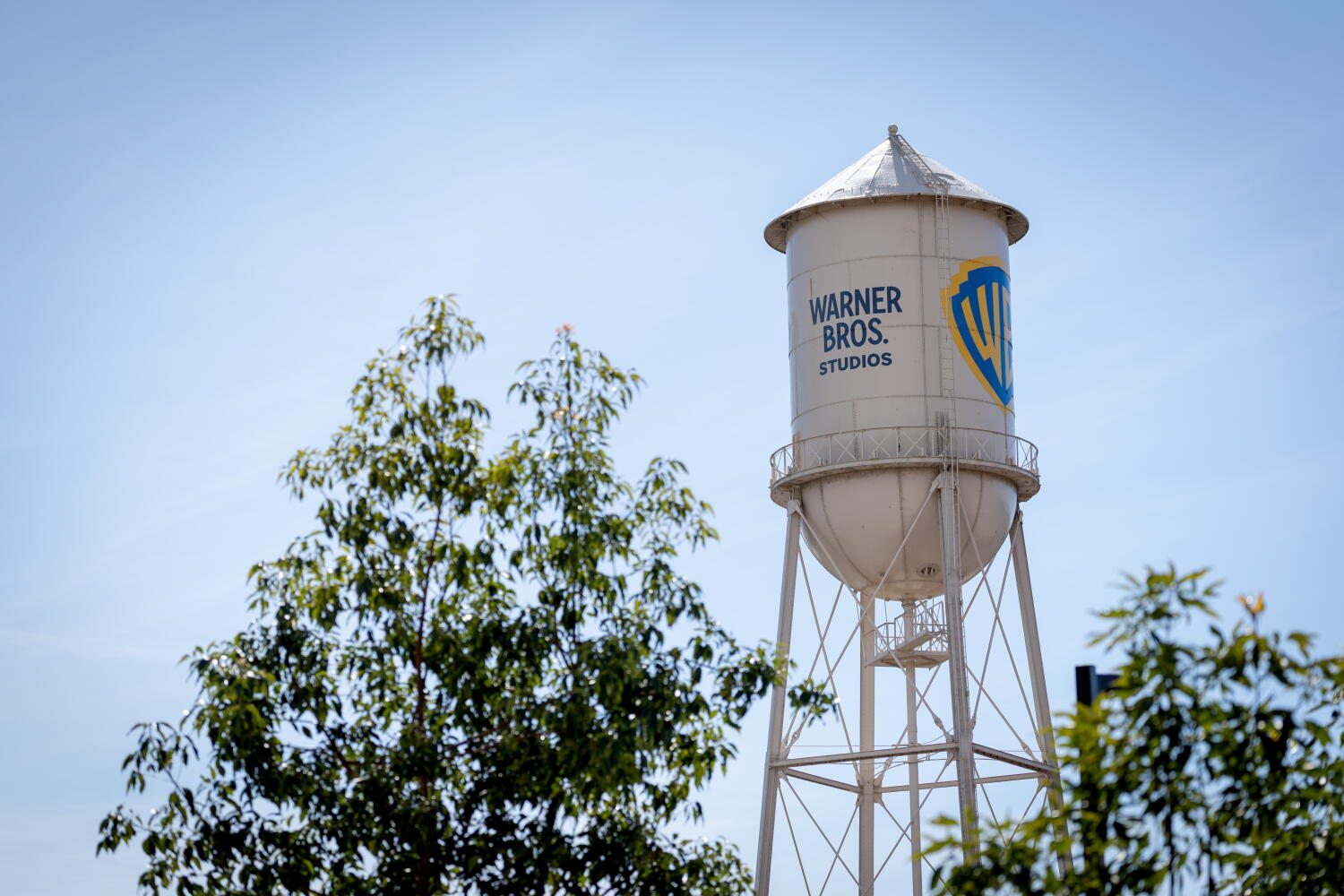
For decades, the physical infrastructure of American filmmaking meant one thing: soundstages in Burbank, backlots in Culver City, and location scouts scouring the American heartland. That geographical monopoly has eroded. When a major studio rolls cameras on a multi-million-dollar feature today, the destination is often Vancouver, London, Budapest, or Sydney. Foreign jurisdictions crafted aggressive financial incentives, dangling tax structures that made domestic production look financially irresponsible to studio accountants answerable to Wall Street shareholders.
Lawmakers in Washington have decided to counter-attack. A bipartisan coalition featuring Senator Tim Scott has introduced the Motion Picture, Television, and Entertainment Revitalization Act, a legislative push designed to install a federal 20 percent tax credit on domestic labor expenses. The pitch sounds straightforward: bring the cameras back, save the domestic entertainment ecosystem, and protect American workers.
Behind the talking points lies a complex economic chess match between state treasuries, federal ledgers, and guilds representing thousands of technicians who have watched their local call sheets shrink.
Following the Money Out of the Country
To understand why a federal incentive is moving through Congress now, look at a balance sheet from any major studio finance department. When production budgets routinely cross the two-hundred-million-dollar threshold, every percentage point of savings matters. International governments realized long ago that film crews do not just spend money on studio lots; they hire local caterers, stay in local hotels, rent local equipment, and pay local income taxes.
Foreign tax rebates often cover thirty to forty percent of local spend. By comparison, American productions previously relied entirely on a patchwork of state-level credits. While states like Georgia, California, and New York built robust local production economies, they also engaged in a zero-sum bidding war against one another and against foreign nations. Studios learned to play states against each other, extracting maximum concessions while threatening to pack up trailers and fly overseas.
When a production relocates to London or Toronto, the financial loss extends far beyond the marquee actors. It hollows out the domestic supply chain. Carpenters, electricians, riggers, hair stylists, and camera operators lose consistent local work. These workers are not wealthy moguls residing in gated hillside compounds; they are middle-class tradespeople operating on freelance contracts, health insurance thresholds, and pension hours.
Mechanics of the Proposed Federal Backstop
The newly proposed legislation attempts to rewrite these economic incentives by establishing a uniform baseline across all fifty states. Under the terms of the bill, productions with budgets exceeding one million dollars that shoot at least seventy-five percent of their principal photography days inside the United States become eligible for a twenty percent credit on domestic labor.
The architecture of the bill includes stackable bonus credits worth up to an additional five percent. Productions can unlock these bonuses by shooting in rural opportunity zones, federally declared disaster areas, or by spreading their footprints across multiple states. Visual effects and post-production houses, which have faced severe attrition to foreign competitors equipped with aggressive subsidies, are also included, provided the work meets domestic labor thresholds.
Crucially, the legislation accounts for the financial reality of independent producers who may not have massive corporate tax liabilities against which to apply a credit. The credit is designed to be transferable. An independent production company can monetize the credit by selling it to a larger corporate entity with a substantial federal tax bill, securing upfront liquidity to fund operations.
The Interlocking State and Federal Friction
Critics of federal intervention point to a fundamental policy collision: what happens to existing state film incentives if a federal credit blankets the country?
For years, states treated film credits as an economic development engine, sacrificing short-term tax revenue in exchange for long-term infrastructure growth. State film offices built entire economies around local crew bases. If a federal credit offsets labor costs nationwide, states may feel politically justified in scaling back their own programs, arguing that Washington has assumed the burden of keeping Hollywood at home.
Conversely, proponents argue that state and federal incentives are meant to be complementary rather than contradictory. A combined stack could theoretically make domestic locations competitive with even the most aggressive international rebates, closing the gap that currently drives runaway production overseas. Yet, economists remain divided on whether tax credits actually generate a net positive return for taxpayers or simply act as a corporate subsidy for highly profitable media conglomerates.
Consider a hypothetical mid-budget thriller with a forty-million-dollar budget and twenty million dollars allocated strictly to domestic below-the-line labor. Under the proposed structure, a twenty percent baseline credit yields four million dollars in direct federal tax relief. For a major studio, that figure might represent a rounding error on a quarterly financial statement. For an independent production company operating on tight margins, that same four million dollars represents the difference between greenlighting a project and killing it during pre-production.
The Blue-Collar Reality Beneath the Marquee
Proponents of the legislation lean heavily on the phrase blue-collar jobs, and for good reason. The glamorous perception of the film industry—driven by red carpets, award shows, and celebrity culture—masks an industrial reality that resembles heavy manufacturing.
When a studio builds a massive period-accurate street set on a backlot, the labor involved is identical to commercial construction. Welders construct steel frames, plasterers finish facades, teamsters haul heavy equipment across state lines, and lighting technicians manage complex electrical grids. These professionals are organized through powerful trade unions such as the International Alliance of Theatrical Stage Employees (IATSE) and the Teamsters.
When production migrates abroad, these unions see active rosters decline and health and welfare fund contributions drop. The union leadership has thrown its weight behind the push for federal intervention, recognizing that state-level incentives alone are no longer enough to stem the bleeding.
Yet, translating a legislative proposal into law requires navigating a deeply polarized Congress where subsidies for the entertainment industry—an entity frequently viewed with cultural suspicion by various political factions—face steep skepticism. Supporters must convince fiscal conservatives that keeping production domestic is a matter of national economic security and industrial preservation rather than a bailout for coastal elites.
The debate is not merely about where movies are shot. It is about whether the United States intends to maintain ownership of its own cultural export machinery, or watch as the technical expertise required to build these worlds migrates permanently across international borders. The legislative machinery is now in motion, and every studio executive, union representative, and state economic official is watching to see if Washington can bridge the gap before the next wave of greenlights heads overseas.