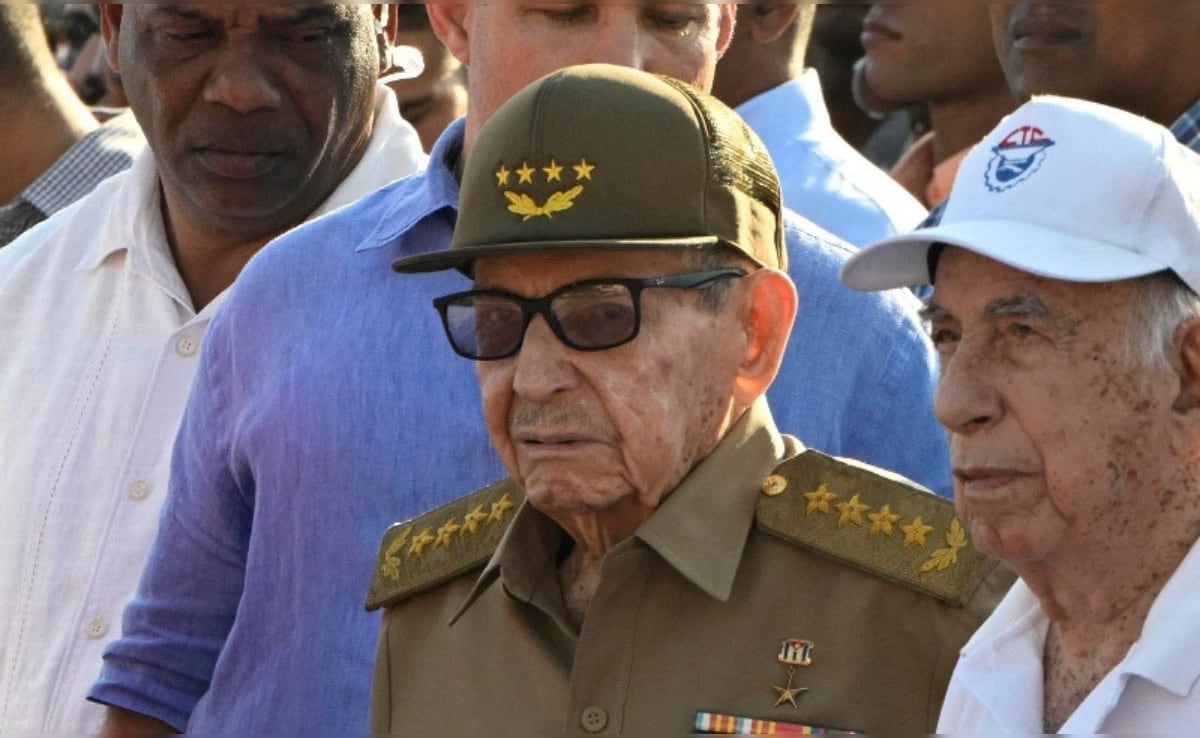
The United States Department of Justice doesn't usually wait thirty years to indict a world leader for murder. Yet, the Trump administration is doing exactly that by preparing criminal charges against 94-year-old former Cuban President Raúl Castro. The looming indictment stems from a bloody Cold War-era flashpoint: the February 24, 1996, shootdown of two civilian aircraft operated by the Miami-based exile group Brothers to the Rescue.
Four men died when Cuban military MiGs blew those unarmed Cessna planes out of the sky. For decades, Washington treated the tragedy as a diplomatic scar rather than an active criminal case against Cuba's top tier.
The abrupt pivot to target Raúl Castro isn't just about a decades-old tragedy. It's a calculated legal maneuver that fits perfectly into a broader geopolitical squeeze on Havana. With Cuba's economy near collapse, a severe fuel blockade choking the island, and the recent U.S. military removal of Venezuelan leader Nicolás Maduro, the real goal here isn't just a courtroom trial. It's a regime-shattering leverage play.
What Happened in the 1996 Military Jet Killings
To understand why the Justice Department is acting now, you have to look at what went down over the Florida Straits in 1996. Brothers to the Rescue was an organization of Cuban exile pilots who flew search-and-rescue missions to spot rafters fleeing the communist island. Over time, their missions turned political. The group started flying closer to the Cuban coast, even dropping tens of thousands of anti-regime flyers directly over Havana.
Havana warned Washington for months that these flights were violating its airspace and threatening national security. The Clinton administration didn't stop them.
On February 24, three Cessnas took off from Florida. Cuban MiG-29 fighter jets scrambled to intercept them. Russian-made missiles struck two of the planes, killing Armando Alejandre Jr., Carlos Costa, Mario de la Peña, and Pablo Morales. A third plane, flown by group leader José Basulto, managed to escape and return to Miami.
A massive international dispute immediately exploded over where the shootdown happened. Cuba claimed the planes crossed into its sovereign territory. The United States insisted the attack occurred over international waters. An independent investigation by the International Civil Aviation Organization eventually backed the U.S. account, concluding that the Cessnas were blown apart in international airspace.
The Case Against Raúl Castro
Fidel Castro was president in 1996, but Raúl Castro was the head of the armed forces as defense minister. He ran the military apparatus that pulled the trigger. Under doctrine, an operation involving civilian targets required clearance from the very top of the defense ministry.
Fidel Castro later admitted to U.S. journalists that he had issued "general orders" to stop the airspace violations but claimed neither he nor his brother gave the specific command to fire that afternoon. The U.S. Justice Department thinks otherwise.
The legal theory behind an indictment relies on command responsibility. Prosecutors in the U.S. Attorney’s Office for the Southern District of Florida have revived the investigation, arguing that Raúl Castro oversaw the military chain of command, reviewed the plan to intercept the aircraft, and authorized the use of lethal force against unarmed civilian planes.
The U.S. actually indicted three Cuban military pilots and commanders back in 2003, but they remained safely out of reach in Havana. Charging the 94-year-old former president is a whole different level of escalation.
Why Team Trump Wants Charges Right Now
The sudden urgency isn't a coincidence. It's happening because Cuba is incredibly vulnerable right now. The island's power grid is collapsing, fuel is almost nonexistent, and food shortages are causing widespread desperation.
The Trump administration has systematically strangled Havana's lifeline by threatening massive tariffs on any country that exports oil to Cuba. This economic blockade got a massive boost in January when the U.S. military removed Venezuelan President Nicolás Maduro and flew him to New York on drug trafficking charges. Venezuela was Cuba's primary provider of subsidized oil and political backing. With Maduro gone, Cuba is isolated.
Legal experts view the potential indictment as a form of "authoritarian law"—using the domestic legal system as a raw tool to achieve a major foreign policy objective. The administration isn't expecting Raúl Castro to voluntarily board a flight to Miami to stand trial. Instead, the criminal charges serve as the ultimate legal justification for a broader regime change strategy.
President Trump has already signaled his intentions, openly floating a "friendly takeover" of Cuba if the current leadership refuses to overhaul its economy and expel foreign adversaries like Russia and China. An indictment brands the historic leader of the Cuban Revolution a fugitive murderer under U.S. law, effectively shutting down any future diplomatic compromise and laying the groundwork for direct intervention.
The Backroom Diplomacy and Next Steps
The legal pressure is playing out alongside tense, quiet diplomacy. Just hours before the news of the indictment leaked, CIA Director John Ratcliffe flew into Havana for a highly unusual meeting with senior Cuban officials and Raúl Guillermo Rodríguez Castro—Raúl Castro's grandson and chief of security, widely known as "Raulito."
Ratcliffe delivered a blunt ultimatum directly from the White House: the United States is willing to negotiate on economic relief and security issues, but only if Cuba implements fundamental democratic reforms, opens its economy to American investment, and stops acting as a safe haven for hostile foreign intelligence operations.
The pending indictment is the stick that accompanies that carrot. If the Cuban government refuses to bend, the U.S. Attorney in Miami is ready to take the case to a federal grand jury to secure the formal arrest warrant.
For individuals tracking the situation or businesses holding interests tied to Caribbean logistics, the path forward requires immediate adjustment:
- Expect Immediate Countermeasures: Cuba will likely restrict its own airspace and increase maritime patrols in response to the legal threats. Any commercial or private aviation routes near the Florida Straits should anticipate sudden regulatory shifts or military posture changes from Havana.
- Brace for Total Economic Blockade: The U.S. sanctions regime against Cuba is going to get tighter. Companies dealing in international shipping, fuel transport, or third-party trade with the Caribbean must audit their supply chains to ensure zero exposure to Cuban state entities, as enforcement is hitting historic highs.
- Monitor the South Florida Legal Track: Watch the federal court docket in the Southern District of Florida over the coming weeks. The formal filing of a grand jury indictment against Castro will signify the point of no return for U.S.-Cuba relations, rendering any future diplomatic normalization legally impossible under current U.S. statutes.