The British legal system just dodged a bullet. If you've been following the tension between climate or Palestine activists and the courts, you know the vibe is getting incredibly strained. Judges are cracking down, protesters are getting locked up, and now, even the lawyers are in the crosshairs. But a major decision just dropped that stops a dangerous precedent dead in its tracks.
On Tuesday, May 12, 2026, the Court of Appeal threw out a contempt of court referral against Rajiv Menon KC. If you don't know the name, Menon is a heavyweight in the human rights world. He worked on the Hillsborough inquests and the Grenfell Tower inquiry. He’s not exactly a rookie looking for attention.
The charge against him was basically unheard of. It wasn't about him being rude or late; it was about what he said in a closing speech to a jury. Think about that. A barrister being prosecuted for doing their job in front of a jury. It’s the kind of thing that makes every defense lawyer in the country sweat.
The Speech That Started the Fire
The whole mess started during a trial of six Palestine Action activists. They were charged over a 2024 protest at an Elbit Systems arms factory in Filton, near Bristol. During these trials, judges usually give very strict directions. They often tell the jury that "conscience" or "political belief" isn't a legal defense.
In this case, Mr. Justice Johnson went a step further. He explicitly told the lawyers they couldn't invite the jury to use "jury equity"—the old-school right of a jury to acquit someone just because they think it's the right thing to do, regardless of the law.
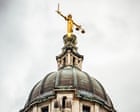
Menon, in his closing speech, didn't exactly tell the jury to ignore the judge. But he did mention Bushell’s Case from 1670. That’s the famous case that established that juries can’t be punished for their verdicts. He also pointed out the plaque at the Old Bailey that honors the "independence of juries."
The trial judge was furious. He felt Menon was doing a "wink and a nudge" move to get the jury to acquit based on their feelings about the war in Gaza. He referred Menon directly to the High Court for contempt.
Why the Appeal Court Stepped In
The Court of Appeal didn't just look at whether Menon was "naughty." They looked at the power of the judge to do this in the first place. This is where the legal geeks (and anyone who likes a fair trial) should pay attention.
Menon’s legal team, led by Hickman & Rose, argued that the trial judge didn't have the power to just hand a barrister over to the High Court for prosecution like that. They argued that if someone is going to be prosecuted for contempt in the public interest, it should be the Attorney General making that call, not a judge who’s annoyed by a closing speech.
The Court of Appeal agreed. They found that the Filton trial judge lacked the authority to refer him directly. This is a massive relief for the Bar. If judges could personally trigger criminal proceedings against barristers every time they didn't like a closing argument, the "fearless defense" that is supposed to be the bedrock of our system would vanish overnight.
Nobody wants a lawyer who’s looking over their shoulder at a jail cell while trying to win a case.
The Chilling Effect That Almost Was
Let’s be real—this was an attempt to tighten the screws on protest cases. We’ve seen a pattern lately where defendants are blocked from mentioning "climate change" or "international law" as a motivation for their actions. It’s creating a sterilized version of a trial where the jury never hears why someone did what they did.
If the contempt charge against Menon had stuck, it would have sent a clear message to every lawyer in England: "Stay in your lane, or you’re next."
- Jury Equity: It’s a controversial topic. Judges hate it because it feels like lawlessness. But it’s also a safety valve for democracy.
- Independence: Lawyers aren't just officers of the court; they are advocates for the accused. That line is getting blurry.
- Precedent: This was the first time in "living memory" a barrister faced this for a jury speech. It was a test case, and the state lost.
What Happens Now
Don't think this is the end of the tension. While Menon is in the clear, the underlying fight over what can be said in protest trials is still raging. Just last week, four of the activists in the retrial of that same Filton case were convicted of criminal damage. The courtrooms are becoming a primary battleground for political activism, and the rules are being rewritten in real-time.
For now, though, the "fearless advocate" survives. If you're a lawyer, you can breathe. If you're someone who thinks the law should be applied without a muzzle on the defense, this is a win.
If you want to keep an eye on how these cases are evolving, watch the Defend Our Juries campaign. They’ve been highlighting how judges are increasingly restricting what defendants can say. The Menon ruling keeps the door open for lawyers to at least remind juries of their constitutional role, even if the judge is breathing down their neck.
Check your local court listings or legal blogs for the next big protest trial. These aren't just about "broken windows" anymore; they're about the soul of the legal system.