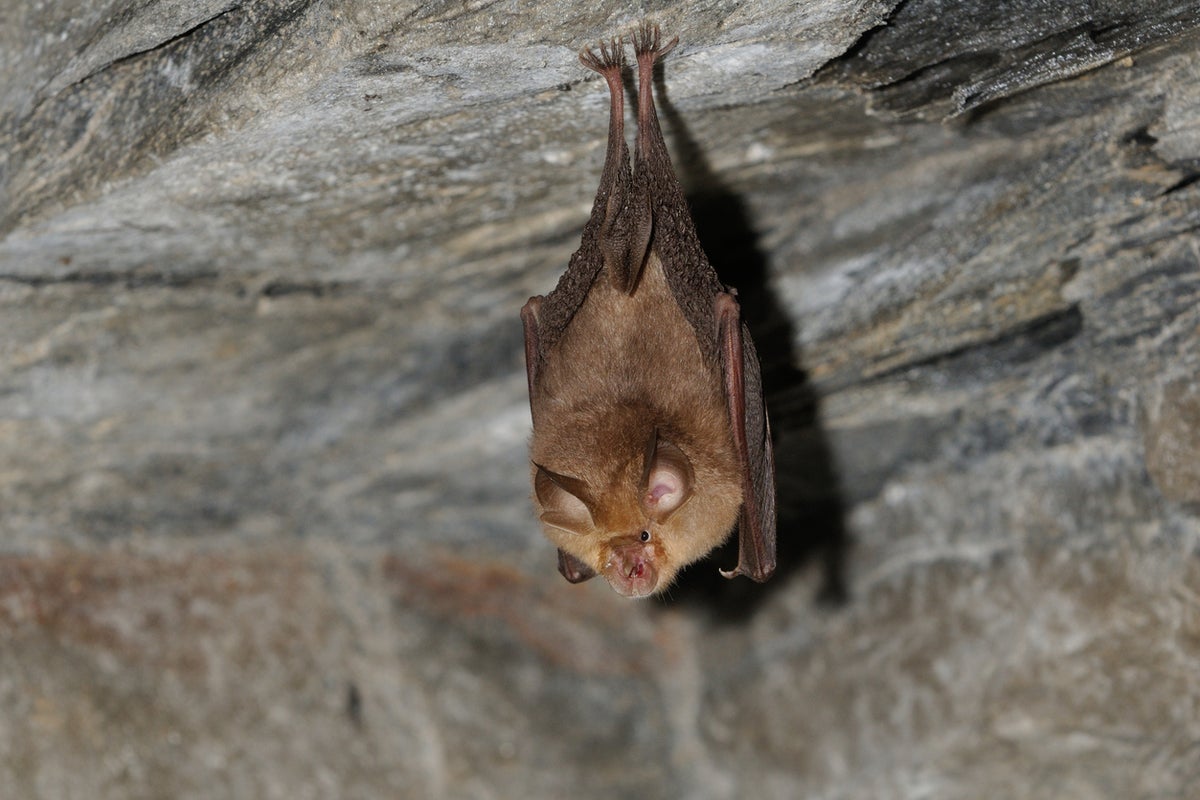
Picture this. You are sitting down to enjoy a quiet meal with your family at a local restaurant. Suddenly, a wild animal drops right onto your dining table. It sounds like a bad horror movie plot, but it actually happened. Health officials had to issue an urgent rabies warning after a rabid bat landed directly on a family’s table inside a public dining establishment.
Most people think rabies is something you only get from stray dogs in rural areas or cornered raccoons in the woods. They are completely wrong. Bats are one of the primary vectors for rabies in the United States, and their behavior when infected becomes erratic, fearless, and terrifyingly unpredictable. When a nocturnal creature that should be hiding in a cave decides to crash a dinner service, you are looking at a serious public health hazard.
Let's talk about why this specific incident matters so much.
The Hidden Danger of Bat Bites
Bats have tiny, needle-sharp teeth. If you get bitten by one while sleeping, you might not even wake up. If one brushes against you in a crowded restaurant, you might assume it is just a strange leaf or a piece of debris until it starts scurrying around.
That is the nightmare scenario.
Public health departments do not issue warnings over nothing. When a bat tests positive for rabies and makes direct contact with a public dining area, officials panic for a reason. Rabies is almost 100 percent fatal once clinical symptoms appear. There is no cure after the fact. You rely entirely on post-exposure prophylaxis, which means a series of shots administered immediately after potential contact.
If you were sitting near that table and touched the bat, or if your kids tried to pet it thinking it was a cute, fuzzy stuffed animal, you are in immediate danger. That is why local health agencies scrambled to trace everyone who was in the room.
What Actually Happens When a Bat Has Rabies
Rabies fundamentally alters an animal's brain chemistry. Healthy bats avoid humans at all costs. They use echolocation to hunt insects in the dark and stay far away from well-lit, noisy places like restaurants.
An infected bat loses its fear. It flies during broad daylight. It crashes into walls. It lands on tables where people are eating.
If you see a bat acting strangely, do not try to feed it. Do not try to trap it under a plastic cup unless you are wearing heavy leather work gloves and know what you are doing. Most importantly, do not assume it is just tired.
Recognizing the Warning Signs
- Flying during daylight hours
- Landing on the ground or flat surfaces where they normally wouldn't be
- Inability to fly or remaining stationary in high-traffic human zones
- Appearing aggressive or completely unbothered by human presence
When a bat behaves like this, it is screaming for help—or rather, its nervous system is collapsing under the weight of a deadly virus.
The Response From Local Health Authorities
When health officials step in after an incident like this, they look for two things: direct physical contact and airborne exposure in confined spaces.
If a bat is loose in a room, anyone in that room has to answer uncomfortable questions. Did it touch your skin? Did it land in your food? Did you wake up in a room with a bat and find out later? If the answer is yes, or even if you are not entirely sure because you were distracted by dinner, the protocol is clear. You start the shots.
Doctors do not take chances with rabies. You shouldn't either.
The restaurant involved in this incident had to undergo intensive sanitation protocols. Health inspectors swept the property to ensure no other wildlife had taken up residence in the roof tiles or patio overhangs. Old buildings with warm, dark nooks make prime real estate for roosting colonies. If one bat gets inside through a gap in the kitchen exhaust or an open patio door, others can follow.
How to Protect Yourself and Your Family
You cannot control when a wild animal decides to crash your dinner plans. You can control how you react.
If a bat enters a room you are in, stay calm. Warn the people around you to step back. Do not panic and start swinging plates or jackets, because a panicked bat will fly erratically and increase the chance of accidental contact.
If the animal makes physical contact with anyone at your table, trap it safely if possible without damaging its head—health labs need an intact brain to test for the virus. Call animal control or local health authorities immediately.
Never throw the animal away in an outdoor dumpster before it gets tested. If you cannot test the animal, public health policy dictates that anyone with potential exposure must undergo preventive treatment just to be safe. That means a round of immune globulin and multiple vaccinations over a two-week span. It is expensive, inconvenient, and completely avoidable if you handle the situation correctly from the start.
Keep your eyes open when dining outdoors or in older establishments. Nature does not care if you are paying for a steak dinner. If a rabid animal is on the loose, it will go wherever its damaged nervous system takes it. Stay alert, report strange wildlife behavior to management and health authorities right away, and never brush off a close encounter with a bat.


