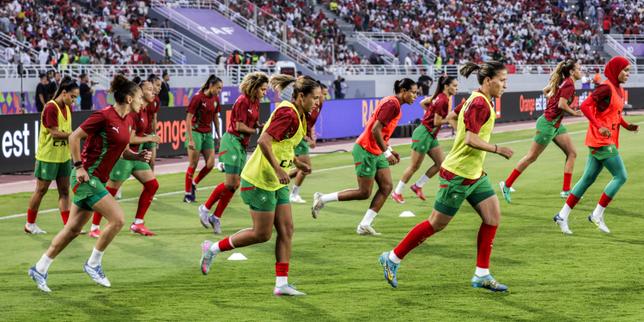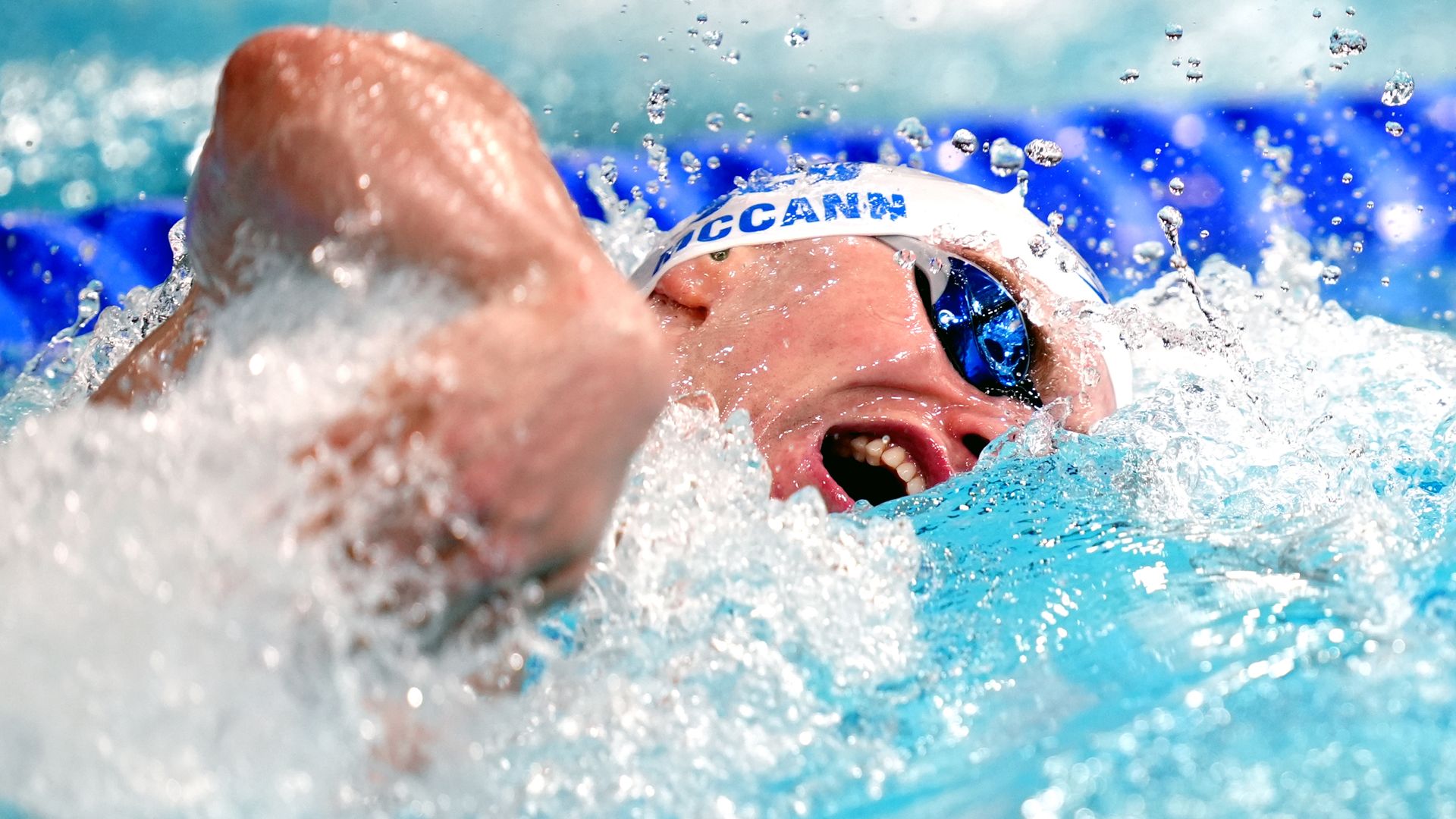
The stadium lights are blinding. They do not warm the skin; they expose it. Every breath hangs in the chill of the arena air, visible for a fraction of a second before vanishing into the roar of thousands. For most athletes standing on the floor, the noise is a current. It carries them forward. It validates years of aching joints, pre-dawn alarms, and the quiet loneliness of a training schedule that dictates every hour of the day.
For Sean McCann, the soundscape has always carried a different echo.
He is not just an athlete. He is a brother. That single, unchosen fact has hovered over his life like a shadow cast by a monument he never asked to build. When you grow up in a house where absence is a louder presence than any person, the world watches you differently. They look for ghosts in your posture. They search your eyes for answers to a tragedy that occurred before you were old enough to understand what a headline meant.
Yet, sports do not care about your pedigree. The stopwatch remains entirely indifferent to your surname. The crossbar does not move an inch lower because your face was once on the front page of every newspaper in the world.
When Sean steps up to compete, representing Scotland at the Commonwealth Games, he strips away the noise. There is only the grip. The stance. The immediate, terrifying demand of the present moment.
Consider what it takes to tune out a stadium. Imagine standing at the threshold of a competition where your entire existence has been pre-packaged by a public fascinated by a decades-old mystery. Every interview circles back to the same place. Every profile piece opens with the same photograph, taken years ago, in a different world. People forget that behind the public narrative is a human being who simply learned how to run, how to throw, how to push through the burning fatigue of lactic acid just to feel a sense of absolute control over his own destiny.
Control. That is what the track or the court or the mat offers. For a family touched by unimaginable public trauma, control is a rare currency.
The media often frames these moments as redemptive. They love a neat arc. They want the triumph on the international stage to serve as a period at the end of a sentence that began with grief. But life refuses to be edited that neatly. Winning a medal does not rewrite history. Standing on a podium does not fill an empty seat at a dinner table. What it does is harder, and quieter, and far more honest.
It proves endurance.
To watch Sean McCann compete is to witness the art of carving out an identity in a room where everyone else is staring at the past. It is the physical manifestation of a simple, stubborn truth: I am here. Now.
The stands blur. The cameras track his every movement, hunting for a micro-expression that might betray a family secret or confirm a psychological theory written by a columnist three hundred miles away. He ignores them. He has had to learn how. You do not survive the relentless scrutiny of the British press without developing an internal armor that is both flexible and impenetrable.
When he pulls on the jersey with the thistle, he is claiming something back. Not for the cameras. Not for the archives. For himself.
The race starts.
The sound vanishes.
There is only the next stride. And for a few fleeting seconds, the weight lifts. There is no brother of a missing child. There is only an athlete, moving at the absolute limit of human capability, flying across the track.