Listen.
If you live within twenty miles of an active munitions depot in rural America, you do not need a calendar to know when the wind shifts toward your porch. You feel it first in the rattle of the storm windows, a low, sub-audible thrum that vibrates right behind your sternum before the sound even reaches your ears, followed seconds later by a dull, heavy whump that makes the coffee ripple in your mug and sends the barn swallows wheeling wildly out of the rafters.
For generations, folks living near places like the Blue Grass Army Depot in Kentucky, the Hawthorne Army Depot in Nevada, or the sprawling proving grounds of Louisiana and Indiana have called that sound the price of freedom. They shrugged. They turned up the morning news. They trusted that the people wearing the uniforms on the other side of the chain-link fence knew what they were doing when they lit the fuse on millions of pounds of expired Cold War ordnance.
That trust is cracking.
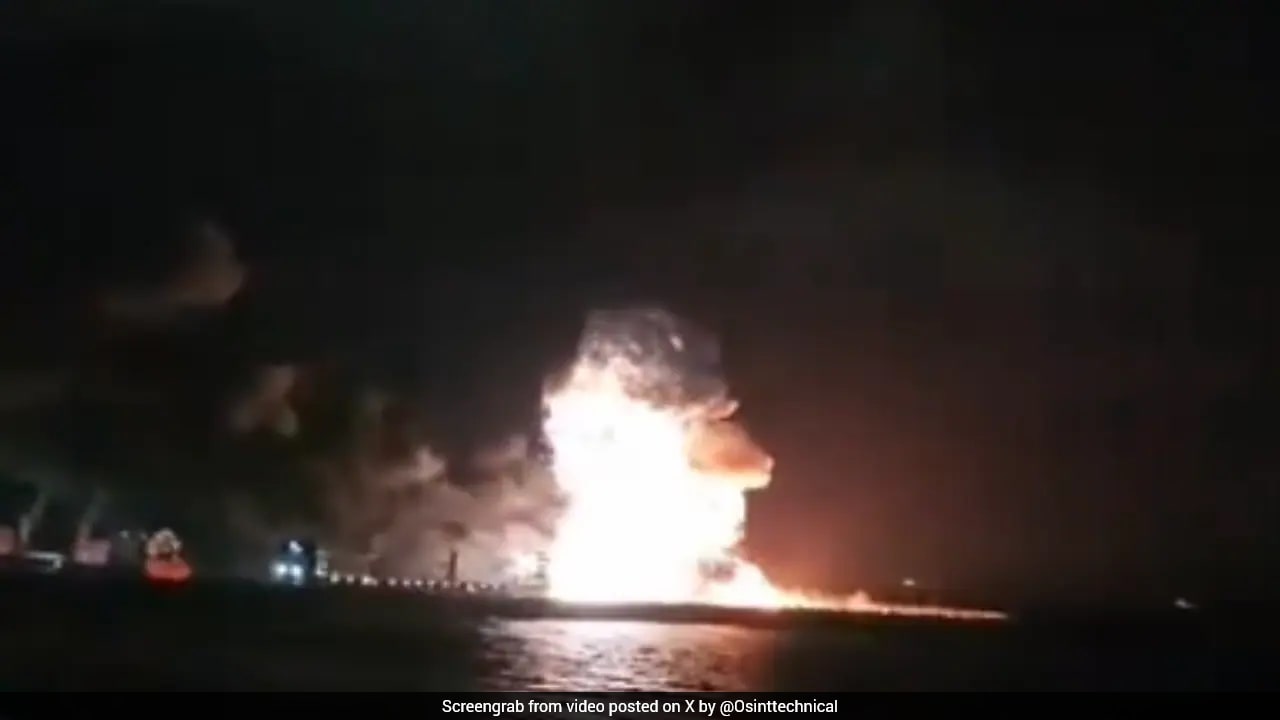
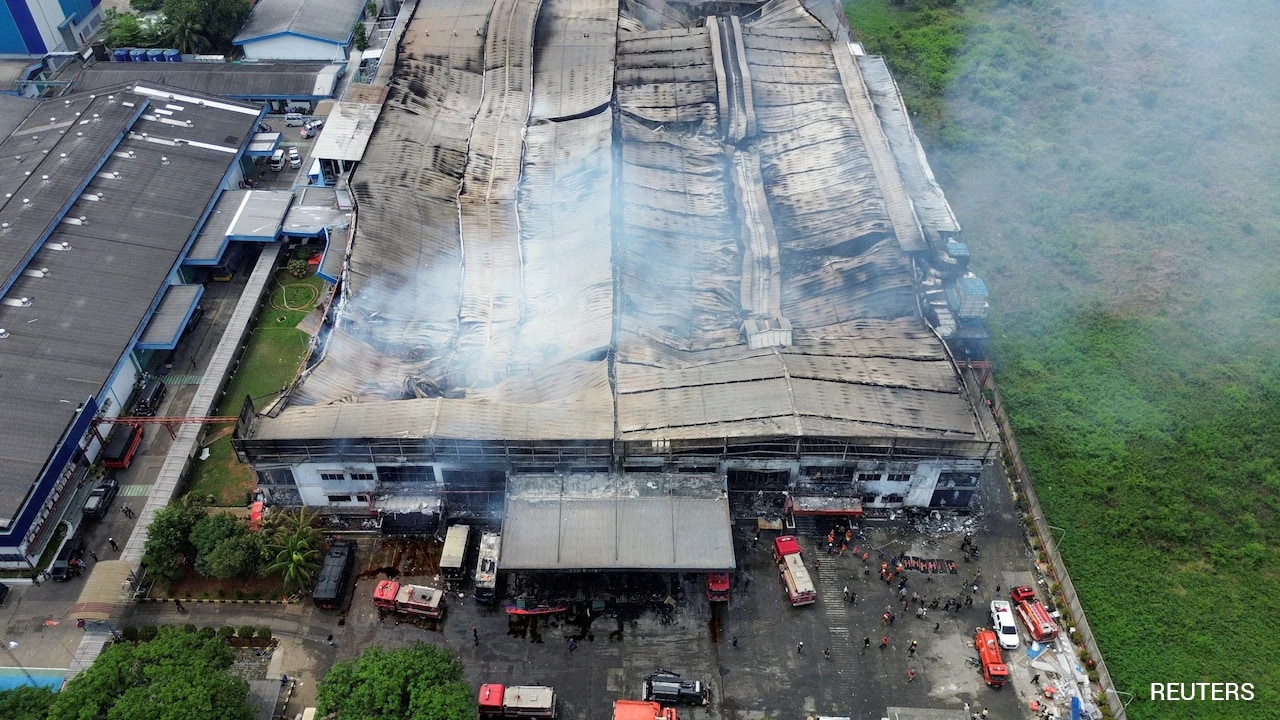
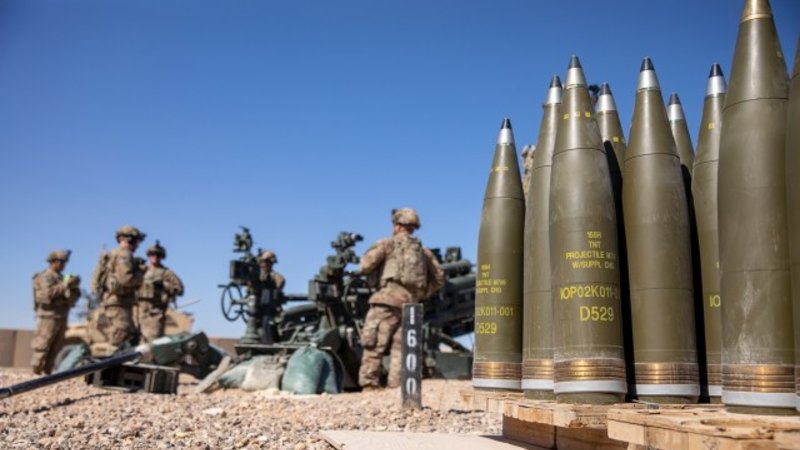
Across the United States, the Department of Defense is sitting on a mountain of obsolete, unstable, and aging explosives—hundreds of millions of pounds of conventional munitions, propellants, and rocket motors that have outlived their shelf life. To get rid of them, the U.S. Army relies heavily on a method so crude it feels pulled from the nineteenth century. They dig a massive hole in the earth, or lay the munitions out on open ground, douse them in fuel, and blow them up.
They call it Open Burn and Open Detonation. To the families living downwind, it is beginning to look a lot like slow-motion poisoning.
The Invisible Rain
To understand what happens when the Army detonates aging explosives in the open air, picture a massive bonfire built out of old tires, industrial solvents, and heavy metals, except instead of smoldering, the entire pile is vaporized in a fraction of a second by high-grade C-4.
That is not hyperbole. That is chemistry.
Modern munitions are marvels of lethal engineering, packed with compounds like RDX, HMX, TNT, and perchlorate, stabilized with lead, mercury, chromium, and barium, and encased in plastics and heavy alloys. When those munitions sit in bunkers for thirty or forty years, their chemical stabilizers begin to degrade. They become too dangerous to transport on public highways and too volatile to dismantle by hand. So, the military moves them to open-air disposal ranges.
When the charge goes off, the fireball pushes a thermal plume thousands of feet into the atmosphere. The heavy percussion shakes the dust off the ceiling fans in nearby towns, while the smoke—thick, oily, and gray-black—drifts lazily across fence lines, settling onto alfalfa fields, dairy pastures, elementary school playgrounds, and the roofs that feed rural cisterns.
Consider a hypothetical family—let’s call them the Millers—living three miles east of a disposal range in the American heartland. Sarah Miller hangs her laundry on the line on a Tuesday morning in April because the sky is clear and the air smells like damp earth and clover. At 10:15 a.m., the sirens wail at the perimeter of the base. At 10:20, the horizon flashes orange, the windows shudder, and a dark smudge blooms against the blue sky. By 10:45, the prevailing westerly breeze carries that smudge directly over Sarah’s clothesline, her vegetable garden, and the creek where her eight-year-old son catches crawdads.
You cannot smell perchlorate in the air. You cannot taste RDX in your well water.
This is the central terror of toxic fallout from open detonation: its complete invisibility once the smoke dissipates. Unlike an oil spill that blackens a shoreline or a train derailment that forces an immediate evacuation, the particulate matter from munitions disposal settles quietly. Dioxins and furans—some of the most potent carcinogens known to science—bind to soil particles and fat tissues. Perchlorate, a rocket fuel component, mimics iodide in the human body, quietly starving the thyroid gland of the hormone it needs to regulate metabolism and brain development in children. Lead and depleted uranium dust work their way down through the topsoil into the aquifers.
I have stood on the edge of rural properties bordering federal testing sites and watched homeowners run their fingers across the hoods of their pickup trucks hours after a "routine disposal event," coming away with a fine, metallic grit that smells faintly of sulfur and burnt plastic. When you ask local residents what the air tastes like on burn days, they don’t use scientific jargon. They say it tastes like pennies. They say it makes the backs of their throats itch. And when you sit at their kitchen tables, the conversation inevitably turns to the strange, quiet clusters of illness on their roads—the rare thyroid cancers, the autoimmune disorders, the respiratory flares that arrive every spring and autumn like clockwork.
The Loophole That Built a Smoke Stack
How is this still legal in a country that regulates the emissions of a neighborhood dry cleaner?
The answer lies in a bureaucratic blind spot carved out nearly half a century ago. When Congress passed the Resource Conservation and Recovery Act in 1976 to govern the disposal of hazardous waste, open burning and open detonation were already recognized as environmental nightmares. In 1980, the Environmental Protection Agency officially banned the open burning of hazardous waste across the private sector.
Except the EPA granted a temporary exemption for waste explosives.
The logic at the time seemed reasonable enough: if an explosive is too unstable to handle safely, blowing it up in a controlled area is better than letting it detonate accidentally in a warehouse. The exemption was supposed to be a stopgap measure while the military developed safe, enclosed alternatives.
Instead, the stopgap became the standard operating procedure.
For more than forty years, the Pentagon has leaned on that temporary exemption, arguing in regulatory filings and congressional hearings that open detonation remains the cheapest, fastest, and safest way to handle unstable stockpiles. Even when the National Academies of Sciences, Engineering, and Medicine released a landmark report confirming that viable, non-detonation technologies exist for the vast majority of conventional munitions, the inertia inside the defense establishment barely budged.
Why? Follow the ledger.
Open detonation costs pennies on the dollar compared to building and operating enclosed containment chambers. Digging a pit and lighting a match requires almost no capital infrastructure. Building a closed-loop thermal treatment facility—one equipped with scrubbers, filters, and plasma arcs capable of neutralizing toxic gases before they ever touch the sky—costs tens of millions of dollars per site and requires rigorous, ongoing maintenance.
When budgets tighten, the invisible lungs of rural citizens are the easiest thing to discount.
The Myth of "No Other Choice"
Whenever watchdog groups, environmental lawyers, or terrified parents press the Army to stop open-air detonations, the official response follows a predictable, polished script. Spokespeople emphasize that every blast is conducted within strict meteorological windows, that air monitors are placed at the perimeter, and that public safety is the highest priority. When pushed harder, they invoke the specter of instability: These munitions are too dangerous to disassemble. If we don't blow them up in the open, people will die.
Here is where we have to separate genuine operational danger from institutional convenience.
Are there specific, damaged, or degraded munitions—say, a corroded artillery shell pulled from a swamp or a batch of weeping dynamite—that genuinely cannot be moved or dismantled safely? Yes. Every bomb disposal technician in the world will tell you that some ordnance must be destroyed in place or in an open pit because touching it could trigger an immediate catastrophe. Nobody is asking soldiers to play Russian roulette with unstable nitroglycerin.
But those genuinely unstable items represent a tiny fraction of what gets blown up every year.
The vast majority of the Army’s disposal backlog consists of intact, packaged, shelf-expired munitions—millions of rounds of small-arms ammunition, illumination flares, smoke grenades, propellant bags, and intact warheads that are simply old. They are not leaking. They are not ticking time bombs. They are merely obsolete inventory taking up space in concrete igloos.
Think of it like clearing out an old pharmacy. If you find a cracked bottle of volatile nitroglycerin tablets at the back of the shelf, you call the hazmat team. You do not take ten thousand boxes of expired aspirin, cough syrup, and blood pressure pills out to the parking lot, pour gasoline over them, and set them on fire because sorting them takes too long.
Yet that is essentially what the military’s disposal pipeline has become. Under the umbrella of emergency safety, routine inventory management has been outsourced to open-air incineration. And the air monitoring the Army boasts about? In many cases, those monitors are positioned miles away from the blast zone, or they only measure basic particulate matter rather than the specific chemical stew of dioxins, heavy metals, and energetic compounds actually leaving the crater. You cannot find what you refuse to look for.
The Architecture of Accountability
If we already know the smoke is toxic, and we already know that the vast majority of these munitions do not need to be detonated in the open air, the path forward isn't a mystery. It is a matter of political will and engineering discipline.
We know how to destroy explosives without poisoning the wind. We have already proven it.
During the destruction of the U.S. chemical weapons stockpile—a monumental, decades-long effort that finally concluded in 2023—the Pentagon was barred by international treaty and fierce public pressure from using open-air burning. Forced to innovate, engineers built extraordinary enclosed systems. They used neutralization reactors, supercritical water oxidation, and Static Detonation Chambers—massive, armored steel vessels heated to over a thousand degrees Fahrenheit that contain the blast, vaporize the munitions, and route every molecule of exhaust through multi-stage filtration systems that capture heavy metals and neutralize acid gases before a wisp of steam ever reaches the atmosphere.
The technology works. It exists right now.
To end the era of toxic fallout from aging explosives, three structural shifts have to happen, and they have to happen in lockstep:
First, the EPA must close the 1980 loophole. Temporary exemptions should not outlive the Cold War. Regulators need to establish a hard sunset date on open detonation for all intact, stable munitions, forcing the Department of Defense to classify open-air blasts strictly as an emergency last resort—requiring individual, documented safety sign-offs for every batch of genuinely unstable ordnance.
Second, Congress must fund the transition to closed-loop demilitarization. We spend hundreds of billions of dollars every year designing and manufacturing the most sophisticated weaponry on earth. We can afford to build the clean, contained facilities required to retire those weapons safely at the end of their lifecycle. Lifecycle cost—from cradle to clean grave—must be baked into the procurement budget of every single shell, rocket, and cartridge the military buys.
Third, transparency must replace reassurance. Communities living downwind of military installations deserve real-time, independent fenceline monitoring that tests for heavy metals, perchlorate, and energetic compounds, alongside publicly accessible groundwater testing. When people can see the data for themselves, fear gives way to accountability.
What Lingers in the Dust
I keep thinking about an afternoon I spent a few years ago walking a fence line in rural Louisiana, talking to a retired machinist whose family had farmed the same forty acres since before the nearby depot was ever surveyed. He wasn't an activist. He had a faded veteran’s cap pulled low over his eyes and an American flag snapping smartly on a white pole beside his mailbox.
He pointed across the pasture toward the distant line of pines where the warning sirens sat on tall wooden poles. He told me that whenever the sirens went off, he called his granddaughter inside from the swing set, shut the windows, and turned off the window air conditioning units so they wouldn't pull the outside air into the living room. He had been doing it for fifteen years. He didn't have a chemistry degree, and he didn't know how to spell hexahydro-1,3,5-trinitro-1,3,5-triazine. He just knew that after the thunder rolled across the trees, the dust settled on his tomatoes, and the creek ran a little darker after the next hard rain.
We ask a great deal of the people who live in the quiet corners of this country where the military trains, tests, and stores its arsenal. They bear the noise, the traffic, and the proximity to immense destructive power without complaint.
The very least we owe them in return is the certainty that the air blowing across their porches isn't carrying the ghosts of old wars into their children's lungs.
The thunder fades in a few seconds. The dust stays for generations.