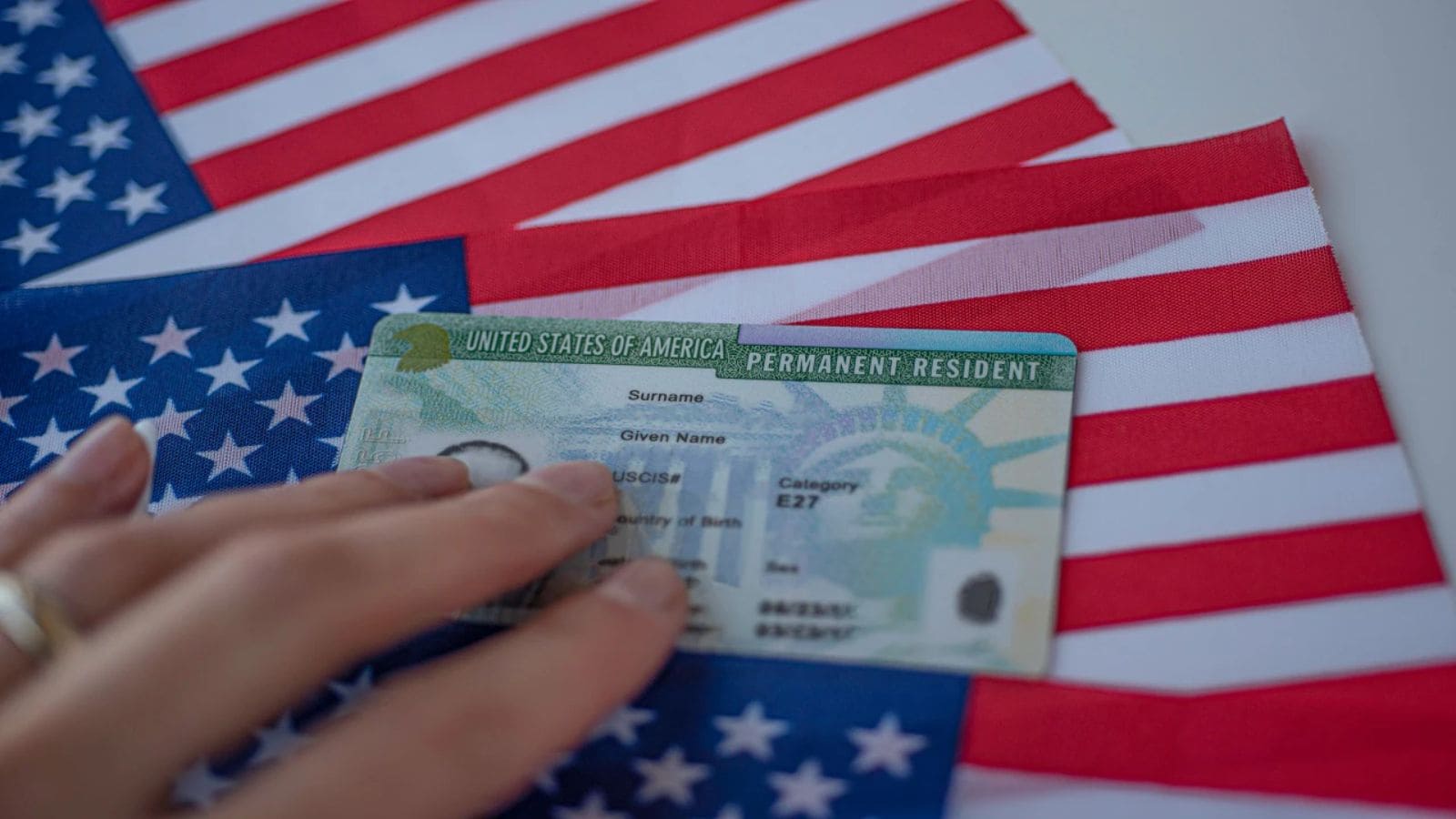
The machinery of American immigration policy rarely shifts in a vacuum. Beneath the public theater of legislative gridlock and campaign rhetoric, administrative alterations quietly rewrite the legal realities for families navigating the system. Recent regulatory changes rolled out by the Department of Homeland Security and U.S. Citizenship and Immigration Services have fundamentally altered the terrain for U.S.-born children of foreign government employees and tightened the discretionary threshold for family-based permanent residency.
These adjustments are not merely bureaucratic housekeeping. They represent a calculated narrowing of historical pathways, forcing immigration practitioners and affected households to reconsider long-standing assumptions about status, permanence, and the interpretation of constitutional protections.
For decades, the standard interpretation of the Fourteenth Amendment stood as an immovable pillar of American jurisprudence. Anyone born on U.S. soil was a citizen by birthright, regardless of the parents' nationality or legal standing, with narrow exceptions carved out exclusively for accredited diplomats possessing full diplomatic immunity. Recent federal actions have targeted the periphery of this doctrine.
Under an interim final rule enacted by the Department of Homeland Security, children born on U.S. soil to certain foreign government employees who lack full diplomatic immunity are no longer automatically granted immediate citizenship certificates. Instead, these children face a reclassification toward Lawful Permanent Resident status.
Consider a hypothetical family from a foreign nation working in an administrative or technical role for a consulate or international mission in Washington, D.C., without high-ranking diplomatic accreditation. Under prior administrative norms, a child born to this couple at a local hospital would hold unassailable birthright citizenship. Under the updated framework, that child is categorized differently, shifting the family's long-term legal planning, tax obligations, and future ties to the United States.
This maneuver bypasses Congress entirely. By reinterpreting which categories of foreign personnel fall under historical exceptions to the Fourteenth Amendment, the executive branch accomplishes through regulatory adjustment what legislative proposals like the recurring Birthright Citizenship Act have struggled to achieve through statute.
While the high-profile adjustments to birthright parameters capture headlines, a parallel transformation is unfolding inside the adjudication rooms of USCIS. Family-based petitions remain the largest conduit for legal permanent residency, accounting for a massive share of annual green cards. Yet the agency's internal policy shifts have systematically eroded the procedural safety nets that historically protected applicants from sudden deportation exposure.
For years, the standard operating procedure for an application containing a minor clerical error, an expired document, or a missing piece of primary evidence involved a Request for Evidence or a Notice of Intent to Deny. These notices provided applicants a designated window to cure deficiencies without penalty.
That margin for error has evaporated. Adjudication officers now possess heightened latitude to issue outright denials on initial review if an application fails to meet strict documentary thresholds on submission.
A denial for an applicant residing in the country without underlying nonimmigrant status is no longer a localized administrative setback. Under current enforcement priorities, a rejected family petition frequently triggers the issuance of a Notice to Appear in immigration court, initiating formal removal proceedings.
This creates an environment of acute risk for mixed-status households. A spouse petitioning through a U.S. citizen partner or an aging-out dependent relying on derivative status must now treat every filing as a final, high-stakes audit. The informal grace periods that once allowed families to correct honest oversights have been replaced by a zero-tolerance posture.
The cumulative effect of these overlapping policies points to a broader structural re-engineering. Immigration is increasingly treated not as an administrative benefit to be managed with statutory predictability, but as a restricted resource subject to shifting executive discretion.
Families caught in this transition face an unforgiving landscape. Navigating these rules requires an abandonment of outdated assumptions and an uncompromising adherence to documentary precision. The margin for survival in the modern immigration system has narrowed to zero, and the cost of a single miscalculation has never been higher.



