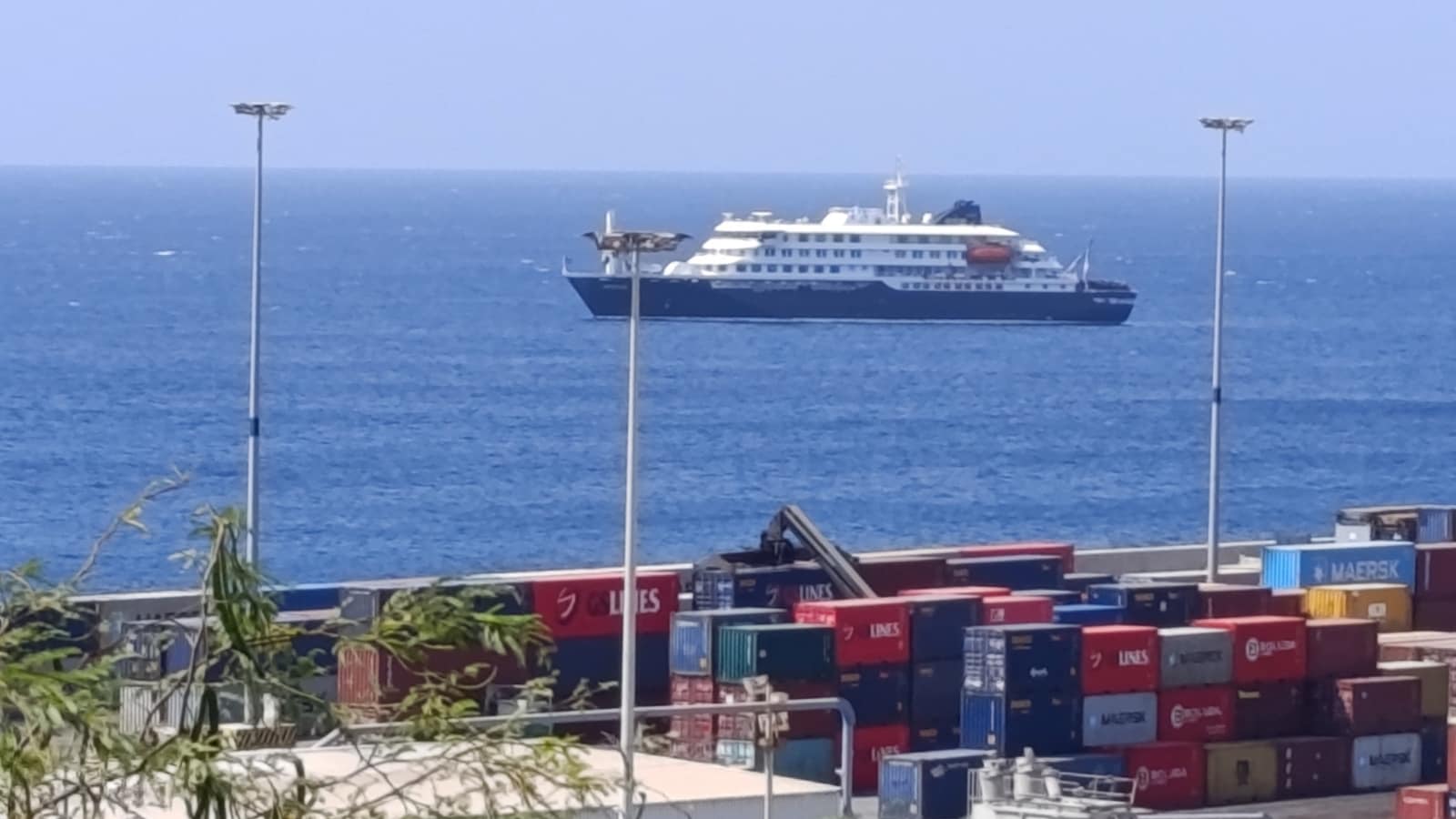
The maritime rescue mission currently being drafted for British citizens aboard the MV Hondius is not a standard medical evacuation. It is a desperate response to a nightmare scenario that combines a rare, lethal pathogen with the claustrophobic isolation of a polar expedition vessel. While early reports focused on the logistics of getting "Brits back home," the reality is a grim standoff between international health protocols and a ticking clock. Hantavirus is not the flu. It is a severe respiratory or hemorrhagic threat that thrives in the very environments these expedition ships frequent.
The MV Hondius, a vessel designed for the rugged beauty of the Arctic and Antarctic, has become a floating isolation ward. For the passengers trapped on board, the primary threat is Hantavirus Pulmonary Syndrome (HPS). This is a disease typically transmitted by rodents, and in the confined, recycled air of a ship, the risk of transmission or environmental exposure becomes an investigative priority. The UK government is now scrambling to coordinate with Argentinian and Dutch authorities to extract their nationals, but the "rescue" is stalled by a brutal biological reality: you cannot simply fly a suspected Hantavirus carrier on a commercial jet.
The Biological Reality of the Hondius Crisis
Hantavirus is a silent killer. Unlike more common maritime ailments like Norovirus, which causes discomfort but is rarely fatal for healthy adults, Hantavirus carries a mortality rate that can climb toward 40%. It doesn't just make you sick; it fills your lungs with fluid. The virus is shed in the urine, feces, and saliva of infected rodents. On a ship, especially one that has been in remote ports or carrying cargo from various regions, the introduction of a single infected vector can lead to disaster.
The logistics of this specific rescue are a nightmare. Public health officials are not just worried about the passengers; they are worried about the crews of the rescue planes. To move these individuals, the UK must deploy specialized "high-consequence infectious disease" (HCID) transport protocols. This involves negative-pressure cocoons and specialized medical teams. It is a slow, expensive, and technically demanding process that the current infrastructure is barely equipped to handle.
Why Maritime Quarantine is Failing
The cruise industry has long relied on a "stay in your cabin" policy to manage outbreaks. This works for a stomach bug. It fails miserably for a zoonotic virus. On the MV Hondius, the physical structure of the ship—its ventilation, its shared spaces, and its proximity to the crew quarters—means that a standard quarantine might actually be increasing the viral load for those stuck on board.
The ship’s operators are stuck in a legal grey zone. They are responsible for the safety of their passengers, yet they cannot dock at most ports once a Hantavirus alert is triggered. Most sovereign nations see a ship with a "hot" virus and effectively pull up the drawbridge. This leaves the vessel loitering in international waters or at anchor in restricted zones, turning a luxury expedition into a survival exercise.
The Failure of Port Authority Protocols
The real story here isn't just the virus; it's the lack of a global treaty for maritime biological emergencies. When the MV Hondius reported its first suspected cases, the response from nearby ports was predictable: denial of entry. This forced the UK’s Foreign, Commonwealth & Development Office (FCDO) into a diplomatic chess match.
The Argentinian authorities have been hesitant to allow a full disembarkation, fearing the local healthcare system could be overwhelmed by a high-fatality pathogen. This creates a bottleneck. If the passengers cannot land, they cannot reach an airport. If they cannot reach an airport, the UK's specialized medical flights are useless.
Tracking the Source
Investigators are now looking at the ship’s recent history. Where did the rodents come from? It is rarely the ship itself. Usually, the virus hitches a ride in dry stores, pallets of grain, or even passenger luggage from rural trek starts. Once inside the ship’s ducting or storage areas, the virus becomes aerosolized.
Every time a crew member cleans a storage locker or moves a crate, they could be kicking up dust laden with viral particles. For the Brits on board, the fear is that the "rescue plan" is coming too late for those who have already spent weeks breathing the same air.
The Economic Shadow of Expedition Travel
The expedition cruise market is a multi-billion dollar sector catering to the "adventure elite." These are travelers who pay $15,000 to $30,000 for a seat on a polar-class vessel. They expect safety. They expect the best. Instead, they are finding that their high-priced tickets don't buy them a way out of a biological lockdown.
The industry is terrified of the precedent this sets. If the MV Hondius rescue requires a full-scale military or specialized civilian extraction, the insurance premiums for these voyages will skyrocket. Some analysts suggest that small-ship expeditions—the very thing that makes the Hondius popular—are the most vulnerable to these types of outbreaks because they lack the massive medical facilities found on mega-ships.
- Vessel Type: Polar Class 6 (expedition)
- Pathogen: Hantavirus (Suspected/Confirmed)
- Casualty Risk: High (up to 38-40% mortality without intervention)
- Extraction Method: HCID Aero-medical evacuation
The Logistics of a High-Stakes Extraction
The plan being drawn up involves a staged withdrawal. First, the ship must be cleared to dock at a secure, isolated terminal. From there, passengers must be triaged. Those showing symptoms—fever, muscle aches, and the telltale shortness of breath—must be moved to local high-intensity care or placed in specialized transport units.
The "clean" passengers are not off the hook. Because the incubation period for Hantavirus can be several weeks, they cannot simply walk onto a flight to Heathrow. They face a secondary quarantine on land, likely in a government-contracted facility. The cost of this operation is staggering, and there is already quiet debate in Whitehall about who picks up the tab: the cruise line, the insurers, or the taxpayer.
The Problem with Rapid Testing
One of the major hurdles is the lack of a reliable, rapid "bedside" test for Hantavirus. Unlike COVID-19, where a lateral flow test can give a result in fifteen minutes, Hantavirus confirmation often requires sophisticated lab work to detect viral RNA or specific antibodies. By the time a passenger tests positive, they are often already in a state of respiratory distress.
This means the rescue team must treat every passenger as a potential carrier. This maximizes the logistical friction. Every movement requires full PPE. Every surface must be decontaminated. It turns a standard repatriation into a slow-motion slog through bio-safety levels.
The Legal Minefield for MV Hondius Owners
Oceanwide Expeditions, the owners of the vessel, are facing a looming legal storm. If it is proven that the ship’s pest control protocols were negligent, or that the crew ignored early signs of illness to keep the itinerary on track, the liability will be historic.
Maritime law is notoriously complex, but the duty of care remains the gold standard. A veteran captain knows that the health of the manifest is the only thing that matters. If the investigation reveals that the virus was circulating for days before the alarm was raised, the "rescue plan" will be the least of their worries. They will be looking at a total loss of brand trust and potentially the end of the vessel's operational life under its current flag.
The passengers are not just victims of a virus; they are victims of a system that wasn't ready for a high-fatality zoonotic outbreak in a remote location. The British government’s intervention is a necessary act of desperation, but it highlights a terrifying gap in travel safety. We have built ships that can go anywhere, but we haven't built a way to get people off them when the invisible world strikes back.
The MV Hondius is currently a cage. The rescue plan is a gamble. As the ship sits off the coast, the only thing the passengers can do is wait and hope that the next breath they take isn't the one that ends their journey.
Check your travel insurance policy for "Biological Outbreak" exclusions immediately. Most standard plans do not cover the specialized HCID extraction required for pathogens like Hantavirus. If you are booked on an expedition cruise this year, demand to see the vessel's most recent pest control audit and their specific protocol for zoonotic disease management. Do not accept a generic "medical emergency" answer.