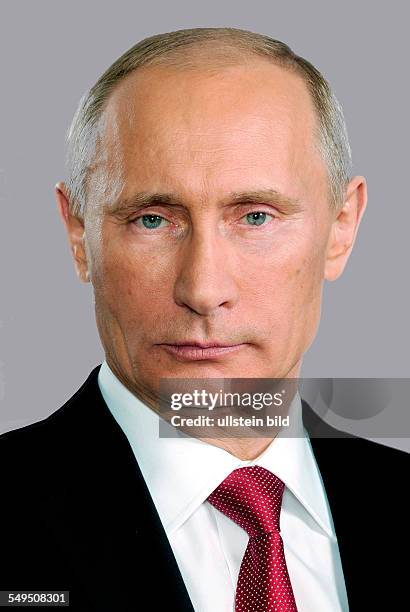
When Vladimir Putin opens a prison door for an American detainee, he isn't doing Washington a favor. He's cashing in a chip.
Most coverage treats a prisoner release like a sudden thaw or a dramatic rescue mission. Watching families hug on a tarmac makes it easy to believe humanity briefly won out over cold geopolitics. Honestly, that misses the whole chessboard. For the Kremlin, detaining Americans and occasionally letting one go is a calculated tool of leverage, diplomacy, and domestic theater. If you found value in this piece, you might want to check out: this related article.
Let's be real about what Putin gets out of releasing an American prisoner. Sometimes he gets high-value operatives back from Western jails. Sometimes he gets sanctions relief, backchannel access, or a photo-op that frames Moscow as reasonable while Washington scrambles. And sometimes he simply trades an asset whose political shelf life has peaked for something far more useful right now.
Why Hostage Diplomacy Works So Well for Moscow
Hostage diplomacy isn't new, and Russia certainly didn't invent it, yet the Kremlin has turned it into an art form. Detaining a journalist, an athlete, a former marine, or an ordinary expat gives Moscow instant bargaining power over a superpower that puts massive political weight on bringing citizens home. For another look on this event, refer to the latest update from The Washington Post.
Think about the asymmetry. In a democratic system like the United States, families lobby lawmakers, news cycles stay hot, and presidents face relentless pressure to act. In Russia, the state controls the courts, the penal system, and the timing. Charges like espionage, drug smuggling, or treason can be brought or resolved on whatever schedule suits the Kremlin.
You see this pattern across multiple high-profile cases. In December 2022, Moscow freed WNBA star Brittney Griner in exchange for convicted Russian arms dealer Viktor Bout. In August 2024, Russia took part in the massive Ankara exchange that freed Wall Street Journal reporter Evan Gershkovich, former Marine Paul Whelan, and Radio Free Europe journalist Alsu Kurmasheva alongside other dissidents, in return for Russians held by the U.S. and allies—including FSB assassin Vadim Krasikov from Germany and sleeper agents from Slovenia. Later, in February 2025, American teacher Marc Fogel was released in exchange for Russian cybercriminal Alexander Vinnik. And in October 2026, Putin released American detainee Stephen Hubbard during a visit to St. Petersburg by U.S. special envoy Steve Witkoff, right around diplomatic talks and debates over sanctions and trade.
Every one of those moments looks different on paper. Yet the underlying logic stays remarkably consistent.
Retrieving Operatives and High-Value Assets
The most obvious gain for Putin is getting his own people back. Western intelligence agencies, courts, and allies spend years tracking, prosecuting, and locking up Russian operatives, cybercriminals, and illicit brokers. A prisoner exchange gives the Kremlin a direct path to spring them.
Getting Vadim Krasikov back from Germany in 2024 wasn't just about one man; it sent a loud signal inside Russia's security apparatus that the state takes care of loyal operatives who do dirty work abroad. The same goes for sleeper agents from the "illegals" program. Even when the U.S. hands over someone like Viktor Bout or Alexander Vinnik, Moscow reclaims individuals tied to networks that have long frustrated Western law enforcement.
Still, there's a catch nobody likes to admit. Every time Moscow trades a spy or cybercriminal for a wrongfully detained American, it creates an incentive to grab more Americans later. As analysts at the Center for Strategic and International Studies and other foreign policy institutions have warned, paying a high price for hostages can reinforce the playbook rather than end it. That's the central dilemma of hostage diplomacy: saving a human life today can put other travelers, journalists, and expats at risk tomorrow.
Timing Diplomacy, Sanctions, and Talks
Releasing an American is rarely an isolated gesture. Usually, it's timed to grease the wheels of broader negotiations or shift the mood around a tense diplomatic moment.
When an envoy flies in for talks over Ukraine, regional security, or economic files, handing over a detainee gives both sides a headline to point to. A leader in Washington can announce that an American is coming home. Meanwhile, Putin gets to look accommodating at the exact moment Moscow wants traction on bigger priorities—whether that's easing pressure on sanctions, opening economic channels, or shaping how peace talks are framed.
Let's be honest about what's debatable here. Some observers argue that engaging with Putin on prisoner releases is naive and legitimizes the Kremlin's tactics. Others counter that refusing to deal leaves real human beings rotting in penal colonies for years while geopolitical gridlock drags on. Both arguments carry weight. Calling a release "good" or "bad" depends heavily on whether you measure success by the person walking onto the plane or the strategic precedent left behind.
Domestic Signaling and Narrative Control
Inside Russia, a release doesn't play out the way it does on American cable news. State media rarely portrays these deals as a Kremlin concession. Instead, coverage tends to emphasize Russian strength, state sovereignty, or the idea that Russia is trading "subversive" figures or foreign agents to protect national interests.
For Putin, controlling that narrative matters. Holding Western citizens in Russian prisons projects power—it shows that even the world's wealthiest and most militarily capable country has to negotiate on Moscow's terms if it wants its people back. Releasing one selectively shows control of the faucet. Putin turns the valve when it suits him.
What about the other side of the ledger? Releasing a detainee can also relieve minor administrative friction or remove a bargaining chip that has grown costly to maintain. Once an arrest has already extracted its maximum shock value, holding someone indefinitely yields diminishing returns unless there's a specific deal on the table.
What People Usually Get Wrong About These Deals
A lot of commentary falls into neat traps whenever a release happens. Here are three common misconceptions worth clearing up:
- A release means warmer relations overall. A single detainee coming home doesn't erase sanctions disputes, intelligence rivalries, or war aims in Ukraine. Tactical cooperation on a release can happen right alongside sharp strategic conflict.
- Every release is a one-for-one swap. Sometimes it's a multi-country swap involving spies and dissidents. Other times a release is tied to broader diplomatic discussions, political concessions, or policy shifts rather than a single named prisoner on the other side.
- Washington has a simple, painless option. Refusing to negotiate sounds tough in a headline, yet it leaves families fighting alone against a state apparatus that doesn't care about public pressure. Negotiating, on the other hand, feeds the market for hostages. There is no clean, cost-free move here.
Practical Ways to Read Future Releases Smarter
If you follow news out of Moscow and Washington and want to cut through the spin next time an American is freed, look at the details around the announcement rather than just the emotional footage:
- Check the timing. Who just visited Moscow, St. Petersburg, or a third-country mediator? What talks, summits, or policy decisions happened in the same week?
- Follow what moves in return. Even if officials say there was "no swap," look for parallel movements on sanctions, diplomatic access, trade discussions, or detainees held elsewhere.
- Watch who isn't on the list. Notice which wrongfully detained citizens, journalists, or political prisoners stay behind. Selection tells you what leverage Moscow still wants to keep in reserve.
- Read multiple sources. Compare reporting from wire services, major international outlets, and independent Russian coverage to separate official talking points from verifiable facts.
At the end of the day, a prisoner coming home is huge news for that person and their family. For Putin, though, it's just another move in a long game—and reading the moves around it is the best way to see what he really got.


