In the equatorial humidity of South Jakarta, a street vendor named Budi adjusts the blue tarp shielding his small food cart from the sudden afternoon downpour. For three decades, his daily calculus has been mercifully simple: buy eggs, rice, and chili in the morning, sell hot plates of nasi goreng by nightfall, and hope the margin stays wide enough to keep his two children in school.
Lately, though, the arithmetic has turned brutal.
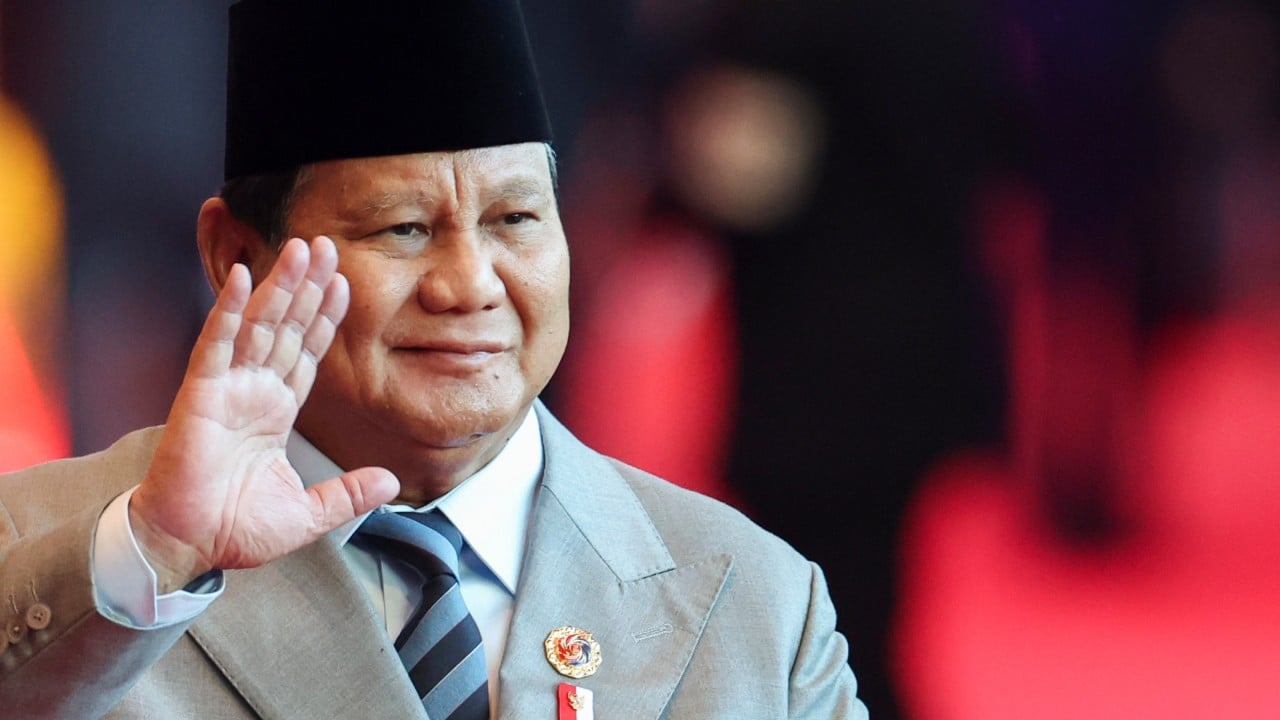
When Indonesia’s eighth president, Prabowo Subianto, took office with a sweeping mandate, he did not just promise economic growth. He promised meals. Specifically, a massive $28 billion national initiative to provide free lunch to over 80 million schoolchildren and pregnant women. To a street seller like Budi—a hypothetical composite of millions navigating Jakarta's informal economy—that sounded like relief. If the state fed his kids at school, his daily burden would lighten.
Two years into Prabowo’s presidency, the reality on the ground feels far more fragile than the grand speeches suggested from the podiums in Nusantara.
Governing a tropical archipelago of 275 million people scattered across more than 17,000 islands is a logistical nightmare even in calm times. Doing so while attempting to reshape the nation’s entire socio-economic foundation in twenty-four months is something else entirely. It is a high-stakes gamble between vaulting ambition and fiscal gravity.
The Weight of the Free Lunch
To understand the political theater of modern Indonesia, you have to look past the suit jackets in Parliament and look directly into a school cafeteria in Central Java.
Prabowo’s flagship signature policy—the free nutritious meal scheme—was the populist rocket engine that propelled his campaign. The objective was noble on paper: eliminate childhood stunting, boost cognitive development, and inject money directly into local agricultural supply chains.
Then came the execution.
Feeding tens of millions of people three times a day requires a supply chain that rivals military operations. Rice has to be sourced, cold-storage infrastructure built where electricity often flickers, and millions of eggs moved across sea lanes without spoiling. In the first year alone, administrative bottlenecks and budget reallocations began strain local governance. Funds previously earmarked for regional infrastructure and local clinic upgrades were quietly redirected toward sourcing poultry and vegetables.
The math simply refused to yield to political willpower.
Economists quietly raised alarms as the fiscal deficit crept closer to the legally mandated 3 percent cap of Gross Domestic Product. To fund the program without blowing out state debt, the administration faced an agonizing choice: cut subsidies for fuel and electricity, or raise taxes on an already squeezed middle class.
They chose a blend of both. And that decision reverberated straight down to Budi's cart.
The Ghost of 8 Percent Growth
During his inauguration, Prabowo set an aggressive target: 8 percent annual economic growth. It was a staggering number, reminiscent of the booming 1990s before the Asian Financial Crisis shattered the region’s currencies.
To reach 8 percent, a country needs explosive manufacturing output, massive foreign direct investment, and a domestic market flush with disposable income. Instead, Indonesia found itself navigating a choppy global tide. Commodity prices for palm oil and nickel, which had buoyed the treasury for years, began to stabilize or decline. High interest rates in Washington drew capital away from emerging markets in Southeast Asia.
Growth hovered around the familiar 5 percent mark—respectable for most nations, but deeply insufficient for a president who pledged a giant leap forward.
To bridge the gap, the administration leaned heavily into state-led industrialization, continuing the "downstreaming" strategy of processing raw minerals like nickel locally rather than exporting raw ore. The policy brought massive smelting plants to North Maluku and Sulawesi. It created jobs, yes, but those jobs often came with heavy environmental costs and required technical skills that displaced local workers lacked.
Consider the metaphor of a race car: the government built a V12 engine in the form of heavy industrial smelters, but forgot that the tires—the everyday consumer market—were severely underinflated.
Foreign investors watched the rapid policy shifts with a blend of fascination and caution. One month brought announcements of grand joint ventures in electric vehicle battery production; the next brought sudden regulatory updates tightening import controls to protect domestic business, leaving international supply chains scrambling to adapt.
Uncertainty is the enemy of investment. When rules shift overnight, boardrooms pause their capital expenditure.
Power, Politics, and the Old Guard
Behind the economic policy lies an equally complex political transformation. Prabowo’s ascension marked a unique chapter in Indonesian democracy—a former military general, once cast out of political favors, returning to the apex of power through a carefully constructed coalition.
To maintain control across a fractured parliament, the president built a sprawling cabinet. Dozens of ministers, vice-ministers, and agency heads were appointed to keep regional bosses and party leaders satisfied.
It worked as a political truce, but it stalled the engine of governance.
When a single initiative requires sign-offs from four different ministries—each headed by politicians from rival parties within the ruling coalition—action yields to bureaucracy. Overlapping mandates created confusion. One department would announce a push for renewable energy investment, while another signed new long-term concessions for coal power to keep electricity prices low for state-owned factories.
Political stability was purchased at the expense of policy clarity.
For the young voters who made up over half the electorate in the last election—digital natives working in gig economies, tech startups, and creative fields—the political maneuvering feels distant, almost vintage. They were promised a modern, tech-forward economy that could compete with Singapore or Vietnam. Instead, they find a shrinking formal job market and an exploding informal sector where benefits do not exist and security is an illusion.
The Tarp in the Rain
Back in South Jakarta, the rain stops as abruptly as it began. Steam rises from the hot asphalt. Budi wipes down his plastic tables, preparing for the evening rush of office workers stepping off the commuter trains.
He does not read the fiscal policy reports released by the Ministry of Finance. He does not track the price of nickel on the London Metal Exchange.
He knows the price of cooking oil has gone up 15 percent in six months. He knows his customers are buying one less skewer of chicken satay with their meal to save a few thousand rupiah.
The story of these two turbulent years is not defined merely by political intrigue in parliamentary halls or macroeconomic projections drawn up in air-conditioned Jakarta tower blocks. It is written in the daily choices of millions of citizens balancing their hopes for national grandeur against the immediate weight of living costs.
A nation can construct a brand-new capital city in the jungles of Borneo. It can launch ambitious welfare schemes that span continents. It can project power across foreign summits. But the true foundation of any empire, republic, or democracy sits quietly on the sidewalk, counting small bills under the warm glow of a street cart's bulb, waiting to see if tomorrow’s promise yields tonight's meal.


