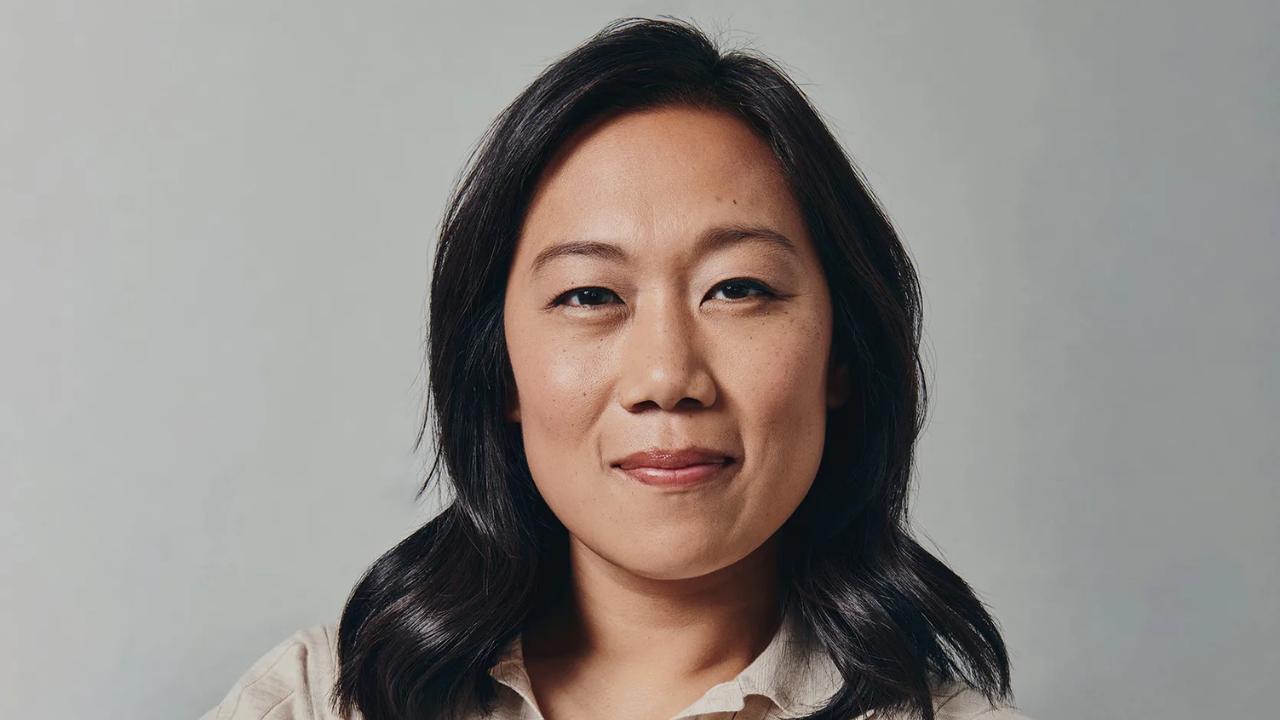
Loss hits children in strange, jarring ways. For Priscilla Chan, the pivot point arrived on an ordinary morning in sixth grade when her grandfather dropped her off at school. By the time she returned home that afternoon, he was gone.
Death at that age is difficult to process. Adults tried to shield her from the harsh realities of his medical condition, but silence only bred more confusion. Instead of shrinking away from the pain, she did something unexpected. She sought out a cancer biology textbook and tried to decode the biology behind her grandfather's death. You might also find this connected coverage interesting: The Anatomy of Maternal Psychopathology Failure Systems and Forensic Evaluation.
That single action revealed a lifelong pattern. When faced with complex, terrifying unknowns, she didn't wait for comforting answers. She dug into the data.
The Childhood Habit That Built a Future Doctor
Most twelve-year-olds spend their free time differently. Chan spent hers reading about oncology. Science had always been her favorite subject, acting as a reliable anchor when emotions felt overwhelming. As reported in recent reports by WebMD, the effects are significant.
Her grandfather had been diagnosed with cancer, yet her family chose to keep details from him out of fear that the truth might worsen his condition. She accompanied him to various medical appointments, occasionally helping translate information. That close proximity to illness planted an early seed. When he died so suddenly right after dropping her off for classes, her child's mind demanded a structural explanation.
Reading an oncology textbook didn't bring him back. It did something else entirely. It transformed passive grief into active inquiry. That transition from helplessness to scientific investigation defines how she approaches problems today.
Moving From Textbooks to Pediatric Wards
Childhood curiosity eventually hardened into professional reality. Chan didn't stop at reading medical books in her bedroom. She pursued medicine seriously, eventually working as a pediatrician.
Working in hospital wards exposes you to raw human vulnerability every single day. As a doctor, she encountered young patients suffering from rare conditions where medical literature offered blank pages instead of solutions. Those moments mirrored her sixth-grade bedroom. The answers didn't exist yet, which meant someone had to build them.
Medicine teaches you humility quickly. You realize how much of human biology remains completely unmapped. Rather than accepting those limits, she channeled her resources into structural science funding through the Chan Zuckerberg Initiative, aiming to cure, manage, or prevent all diseases by the end of the century.
Why Early Tragedies Shape Modern Philanthropy
We love clean, linear narratives about successful people. Biography profiles often try to draw a straight line from a childhood textbook to multi-billion-dollar philanthropic efforts. Reality is messier than that.
A single book read in sixth grade didn't write a prescription for future success. What it did establish was an emotional baseline. It taught a young girl that understanding how things work gives you power over fear. When you look at how modern biomedical research gets funded, you see that exact philosophy at play. Big bets go toward basic science, long-term tools, and high-risk imaging tech because those investments answer fundamental questions.
If you want to understand how someone builds a massive scientific apparatus, look at what broke their heart when they were twelve. People driven by deep personal loss approach problems with a stubborn urgency that standard corporate philanthropy simply cannot replicate.
Take a cue from that childhood mindset. When you encounter a system or a problem that feels confusing or broken, stop waiting for someone else to explain it. Go find the manual. Read the hard text. Start asking uncomfortable questions until the dark spaces make sense.