A shipping container sits at the docks, heavy, iron-clad, and motionless. Inside rest thousands of identical pairs of sneakers, freshly boxed, smelling of rubber, glue, and industrial ink. On paper, they are inventory. On a balance sheet, they are profit margins waiting to be realized. But beneath the barcode lies a trail of human hands, long hours, and conditions that rarely see the light of day.
This week, the rules governing what crosses our borders change in a fundamental way.
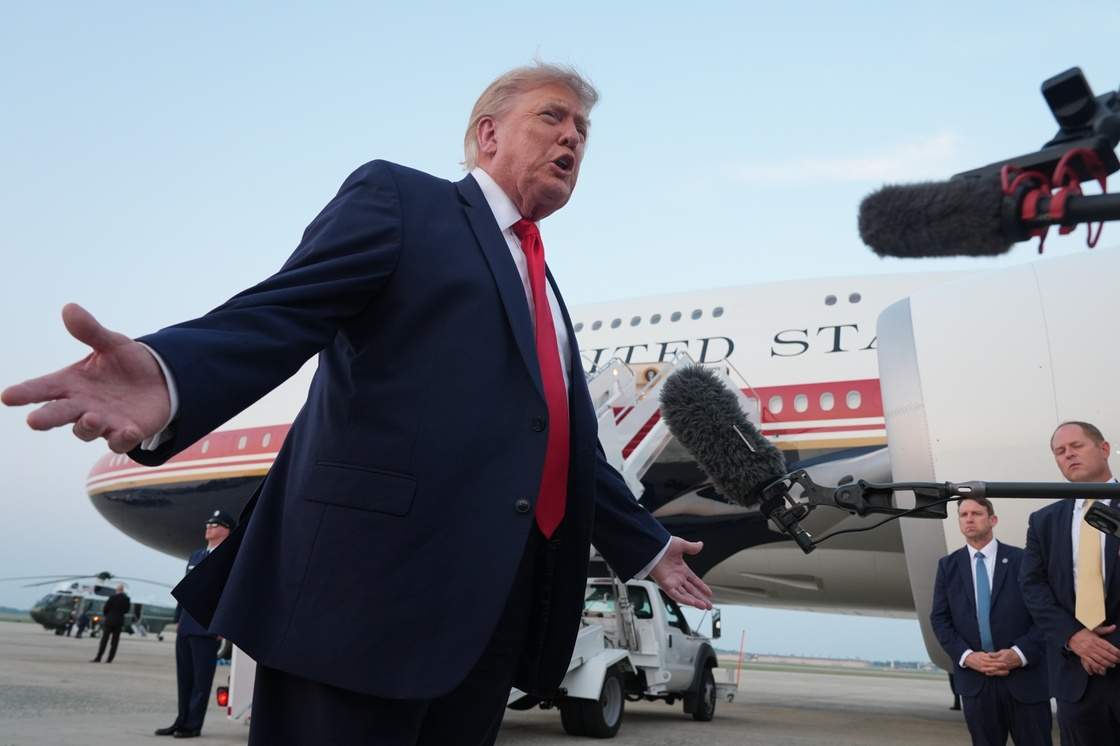
The United States government is enforcing targeted tariffs and strict import bans on goods tied to forced labor, a policy push heavily championed by the Trump administration to sever supply chains rooted in modern exploitation. For years, international trade operated on a simple, cold logic: cheaper is better, faster is ideal, and the origin of a thread is far less important than the price tag at checkout. That logic is running straight into a wall.
Consider a hypothetical worker named Lin. She works in a manufacturing facility halfway across the globe. She does not track stock markets or read policy briefs. Her reality is measured in sixteen-hour shifts, strict quotas, and wages that barely cover a meal, let alone a way out. When a factory floor operates under coercion, the true cost of production is not paid by the company ordering the goods. It is extracted from Lin.
When those goods land on American shores, they do not just represent low prices. They represent an impossible baseline for domestic businesses trying to pay fair wages.
The mechanics of this policy shift are straightforward, even if the execution is complex. Customs officials now hold broad authority to detain shipments at the port if there is reasonable suspicion that forced labor played a role in their creation. The burden of proof shifts back to the importer. Prove the supply chain is clean, or watch the cargo turn around.
Clear. Unforgiving. Direct.
For decades, global supply chains grew into convoluted networks. A shirt might be stitched in one country, using cotton picked in a second, dyed in a third, with buttons sourced from a fourth. This complexity served a dual purpose: it optimized costs, and it obscured accountability. If a buyer did not know where the raw materials originated, they could not be held responsible for how those materials were gathered.
Ignorance was an asset. Now, it is a liability.
The economic ripple effects will be felt far beyond the shipping yards. When thousands of tons of cargo are halted at the border, shelves do not restock on schedule. Prices for everyday goods—clothing, electronics, agricultural products—inevitably climb. Small businesses that rely on overseas suppliers may find themselves caught in regulatory dragnets, struggling to produce the paper trails necessary to clear their inventory.
Consumers will face a quiet, uncomfortable choice at the register. The convenience we have taken for granted for thirty years was partially subsidized by invisible hands operating under conditions no one would choose for themselves. Raising tariffs and blocking tainted imports exposes the hidden fee built into ultra-cheap consumer goods.
This is not merely a debate about foreign policy or international trade law. It is an audit of our collective appetite for cheap goods versus our tolerance for the human cost required to produce them.
The iron containers at the docks will eventually move, or they will sit until they rust. But the economic machinery behind them has altered its course. Every product sitting on a store shelf carries a history, etched into its seams and circuits. We are finally being forced to read it.