The envelope arrived on a Tuesday, looking entirely ordinary. It carried no sirens, no flashing red lights, no urgent stamps warning of a crisis. Inside was a standard-issue letter printed on corporate letterhead, speaking in the quiet, sterile language of legal compliance. It explained, with bureaucratic detachment, that a digital file containing my name, my social security number, and various fragments of my financial identity had been lifted from a corporate server eighteen months prior.
Eighteen months. You might also find this connected story insightful: The Digital Ghost That Strayed Into Our World.
That single detail struck harder than the breach itself. For a year and a half, while I bought groceries, answered emails, and slept through the night, a silent duplicate of my life had been floating through shadowy digital corridors. Someone else possessed the digital skeleton key to my existence, and I had been blissfully, dangerously unaware.
Data breaches rarely feel real when they happen. They exist as abstract headlines on glowing screens—millions of records compromised, corporate apologies issued, stock prices dipping momentarily before recovering. We read the numbers and blink, viewing them as distant weather patterns. But behind every statistic is a quiet panic. Behind every leaked database is a human being staring at their phone, wondering if their bank account will empty itself while they sleep. As reported in latest reports by Ars Technica, the results are significant.
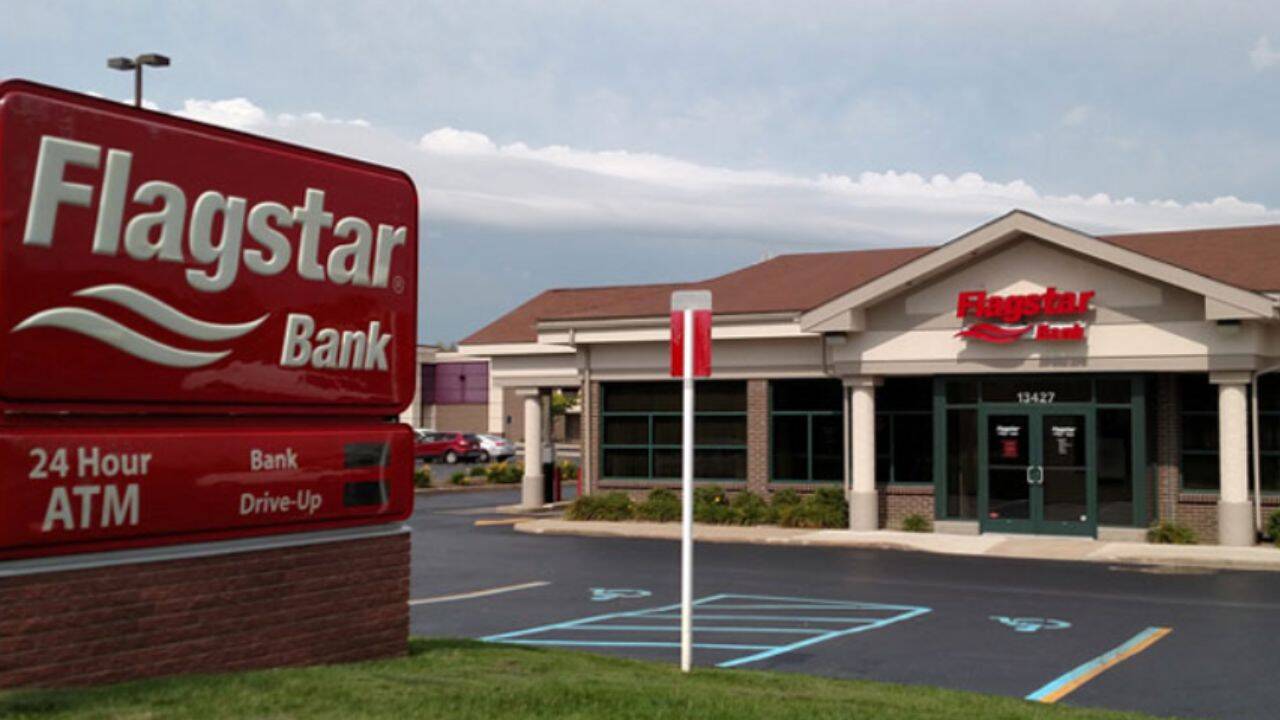
Consider what happens next in the wake of such a disaster. For victims of the 2021 Flagstar Bank data breach, that abstract panic materialized into tangible financial loss, anxiety, and hours spent locking down credit reports. A massive cyberattack had exposed the personal information of over one point five million customers. Names, addresses, social security numbers—all vacuumed up by unauthorized actors due to vulnerabilities that should have been patched long before the digital doors were kicked in.
Numbers fail to capture the exhaustion.
(Hypothetical scenario: Meet Sarah, a freelance graphic designer living in Michigan. She was one of the many whose data sat unprotected on Flagstar’s servers. When the notification letter finally reached her, she didn't scream or panic immediately. She just sighed, set down her coffee cup, and began the grueling ritual of modern paranoia. She froze her credit with all three major bureaus. She spent three lunch breaks on hold with customer service lines that rang endlessly into the void. She checked her bank statements twice a day, looking for unauthorized charges that might signal someone else was living a ghost life in her name.)
For Sarah, and thousands like her, justice doesn't arrive in the form of a sweeping government intervention. It arrives through the tedious, grinding machinery of class action settlements.
Years of legal wrangling eventually forced a resolution. A settlement fund was established to compensate those whose trust was broken. Victims gained the right to file claims for up to twenty-five thousand dollars to recover documented losses, out-of-pocket expenses, and compensation for time spent dealing with the fallout.
There is just one catch. Time runs out.
The absolute deadline to submit a claim for these victims falls on August 11.
That date is not merely a bureaucratic checkbox. It is a hard, unyielding wall. Miss it, and the door slams shut permanently. The corporation moves on. The lawyers collect their fees. And the victims are left holding the financial and emotional bill for a failure that was never their fault in the first place.
Why do so many eligible people fail to claim what is rightfully theirs?
Behavioral psychologists have a name for it, but lived experience calls it exhaustion. By the time a settlement reaches the payout phase, victims are often thoroughly sick of the entire ordeal. They have changed their passwords, monitored their credit, and tried to push the violating intrusion out of their minds. Engaging with the settlement requires digging up old anxiety, unearthing paperwork, and proving that you suffered. It feels like picking at a scab just to prove you were wounded.
Yet, ignoring the deadline is precisely what corporate negligence counts on. Settlement funds frequently go unclaimed, leaving millions of dollars on the table—money that could help someone pay for credit monitoring services, reimburse stolen funds, or simply compensate for the stolen hours of peace of mind.
The digital age demands a new kind of literacy. We are taught how to drive cars safely, how to lock our front doors at night, and how to look both ways before crossing the street. But we are thrust into the digital wilderness with zero survival training. We hand our most intimate data over to banks, hospitals, and retailers, trusting that invisible fortresses will protect our lives.
When those fortresses crumble, we are told to change our passwords and move on.
We cannot simply move on.
A compromised social security number does not expire like a credit card. It stays out there, a permanent vulnerability lurking in the dark corners of the dark web, waiting to be exploited years down the line. That is why restitution matters. It is not just about the money, though twenty-five thousand dollars can patch a lot of financial damage. It is about accountability. It is about forcing institutions to realize that keeping our digital shadows safe is not an optional line item in a corporate budget. It is a sacred trust.
If you were among those caught in the fallout of the Flagstar breach, the clock is ticking loudly. August 11 is closer than it appears. The paperwork might feel tedious, and the memories of the breach might sting, but stepping up to claim what is yours is an act of reclamation.
Take back your time. Take back your security.
The digital world may be built on shifting sand, but your right to protection is solid ground. Do not let it slip away in the silence.