The condensation on a glass of ice water used to be the silent preamble to a meal. In the sweltering, humid press of Singapore, where the air feels like a damp wool blanket, that glass isn’t just a beverage. It is a biological necessity. It is the universal signal that says, "You are welcome here."
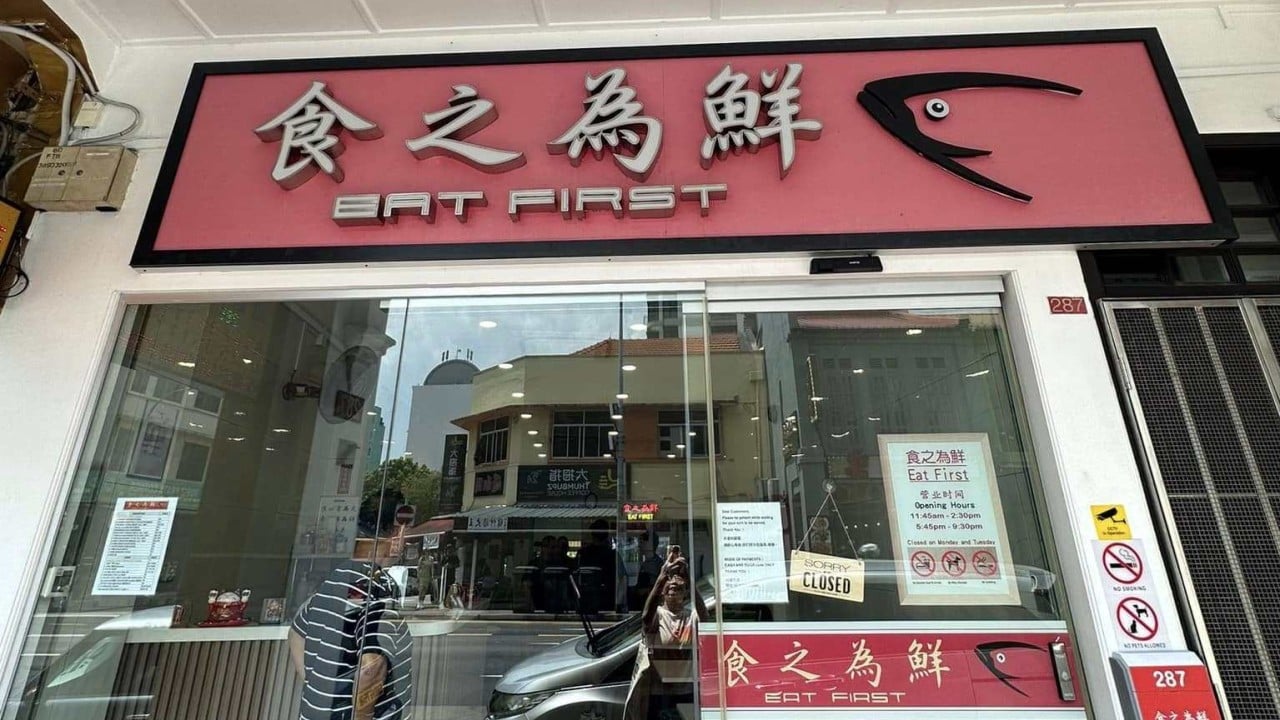
But at a certain bistro in the heart of the city, that signal was replaced by a line item on a digital receipt.
S$2.10. That was the cost of a single cup of water. After taxes and service charges, a family of four could find themselves staring at an $8 surcharge before a single grain of rice touched the table. What followed wasn't just a disagreement over pocket change. It was a digital uprising. A flood of one-star reviews crashed against the restaurant’s online presence, threatening to sink a business over the very thing that covers 70% of the earth.
This isn't a story about inflation. It’s a story about the fragile, unwritten contract between those who serve and those who eat.
The Invisible Ledger
When you walk into a restaurant, you aren't just buying calories. You are entering a temporary sanctuary. You trade your money for an experience where, for sixty minutes, someone else looks after your needs.
The industry calls this "hospitality." It’s an ancient concept, rooted in the idea that a guest is sacred. However, in the modern economic squeeze, hospitality is being dismantled, bolt by bolt, and replaced by "monetization."
Consider the perspective of the proprietor. Rents in Singapore’s prime districts are astronomical. Electricity costs for industrial-grade air conditioning are soaring. Labor is scarce and expensive. To the man behind the spreadsheet, that "free" glass of water represents a cost: the price of the glass, the wages of the staff member who washes it, the filtered water system, and the physical space the customer occupies while drinking it.
The owner sees a leak in the boat. They think, If I charge for the water, I can keep the price of the Wagyu burger stable.
They are wrong.
The Psychology of the Nickel and Dime
There is a profound difference between a $30 steak and a $28 steak with a $2 "utensil fee." Human psychology is a fickle beast. We are surprisingly comfortable with high base prices, but we recoil at being "taxed" for the basics.
Imagine a hypothetical diner named Sarah. Sarah has had a long day at a high-pressure tech firm. She chooses this bistro because the photos look warm. She is prepared to spend $50 on dinner. She sits down, thirsty, and asks for tap water. The server, likely coached by a nervous manager, explains the fee.
Suddenly, Sarah is no longer a guest. She is a unit of revenue being optimized. The magic of the evening evaporates. The $2.10 fee acts as a "friction point," a psychological alarm bell that tells her she is being squeezed.
The reaction isn't logical; it’s visceral. Sarah doesn't think about the restaurant's overhead. She thinks about the fact that she can get a liter of water at the convenience store next door for eighty cents. She feels disrespected.
The resulting one-star review isn't actually about the $2.10. It is a retaliatory strike against a perceived lack of generosity.
The Digital Guillotine
In the old world, a disgruntled diner might grumble to their spouse and simply never return. In 2026, they have a megaphone.
The Google Review page of a restaurant has become a public square where grievances are aired with lethal efficiency. When the "water fee" story broke, the internet didn't see a business trying to survive. It saw greed. The reviews weren't just critiques of the food; they were moral judgments.
"Greedy."
"Shameless."
"Avoid at all costs."
These words carry a weight that no marketing budget can offset. A restaurant’s "star rating" is its lifeblood. A drop from 4.5 to 3.2 is a death sentence. Potential customers scrolling through their phones at 7:00 PM see that plummeting score and move to the next pin on the map.
The irony is sharp. In an attempt to recover a few cents of margin on water, the establishment sacrificed thousands of dollars in future revenue. They traded their reputation for the price of a bus fare.
The Commodification of Care
We are living through an era of "shrinkflation" and hidden surcharges. From "resort fees" at hotels that don't have a pool, to "service recovery fees" on delivery apps, the consumer is being bled by a thousand paper cuts.
In Singapore, the "water issue" is particularly sensitive. For decades, many local eateries provided water for free or for a nominal 20-cent "cleaning fee." To jump from 20 cents to over two dollars is a shock to the cultural system. It signals a shift from a community-focused dining culture to a transactional, Westernized model where everything has a price tag.
But the most successful businesses understand something the spreadsheets don't: Generosity is a marketing expense.
A "free" glass of water is an investment in the customer's goodwill. It lowers their defenses. It makes them more likely to order that second glass of wine or the expensive dessert they don't really need. When you start the interaction by charging for a basic human right, you put the customer on the defensive. They start looking for other flaws. They notice the chip in the plate. They notice the three-minute delay in the appetizers.
You have invited them to audit you.
The Survival of the Warmest
The restaurant industry is currently a battlefield. On one side, you have the "Optimization Evangelists" who believe every square inch of the table and every second of the staff's time must be billed. On the other, you have the "Old Guard" who believe that if you treat people like family, the money will follow.
The Singapore incident proves that the public is not ready for the total commodification of the dining experience. We are social animals. We seek connection. We want to feel like we are more than just a credit card number.
Business owners are scared. They see the rising costs of ingredients and the shrinking margins. They are looking for any way to stay afloat. But charging for water is like burning the furniture to keep the house warm. It works for a moment, but eventually, you’re left sitting in the dark.
The one-star reviews were a cry for the return of the human element. They were a reminder that even in a high-tech, high-cost city-state, the simplest gesture—a cold glass of water offered freely—remains the most powerful tool a business owns.
The bistro eventually walked back the policy, or at least tried to explain it away as a misunderstanding. But the damage was done. The digital ink is permanent.
As we move forward into an increasingly expensive world, the businesses that thrive won't be the ones that found a way to charge for every breath of air. They will be the ones that understood that some things are too valuable to have a price.
The next time you sit down at a table and a server sets down a glass of water without a word, look at the bubbles clinging to the side. Look at the ice bobbing on the surface. That isn't just $H_{2}O$. It is a promise. It is the sound of a business saying, "We’re glad you’re here."
Without that promise, a restaurant is just a room where you pay to swallow.
The glass is either half full or empty, but in the new economy, the real cost is the price of the glass itself.