The desk lamp always dies first. It starts with a flicker, a warning sign that the bulb is overheating from fourteen hours of continuous use, before it finally snaps into darkness. For the student sitting in the glow of a laptop screen, that sudden dark is terrifying. It reveals the true time: 3:14 AM. The exam is at nine. The digital clock is ticking, the cursor is blinking, and the panic is a physical weight pressing down on the chest.
In these quiet, desperate hours of the night, academia changes shape. It ceases to be about the pursuit of knowledge, or enlightenment, or building a future. It becomes a high-stakes survival game.
When the pressure reaches this boiling point, a dangerous economy wakes up. It operates in the shadows of encrypted messaging apps, hidden forums, and private tutoring sessions. It is a world where desperate students meet willing facilitators. And recently, the law finally caught up with the person pulling the strings behind the screen.
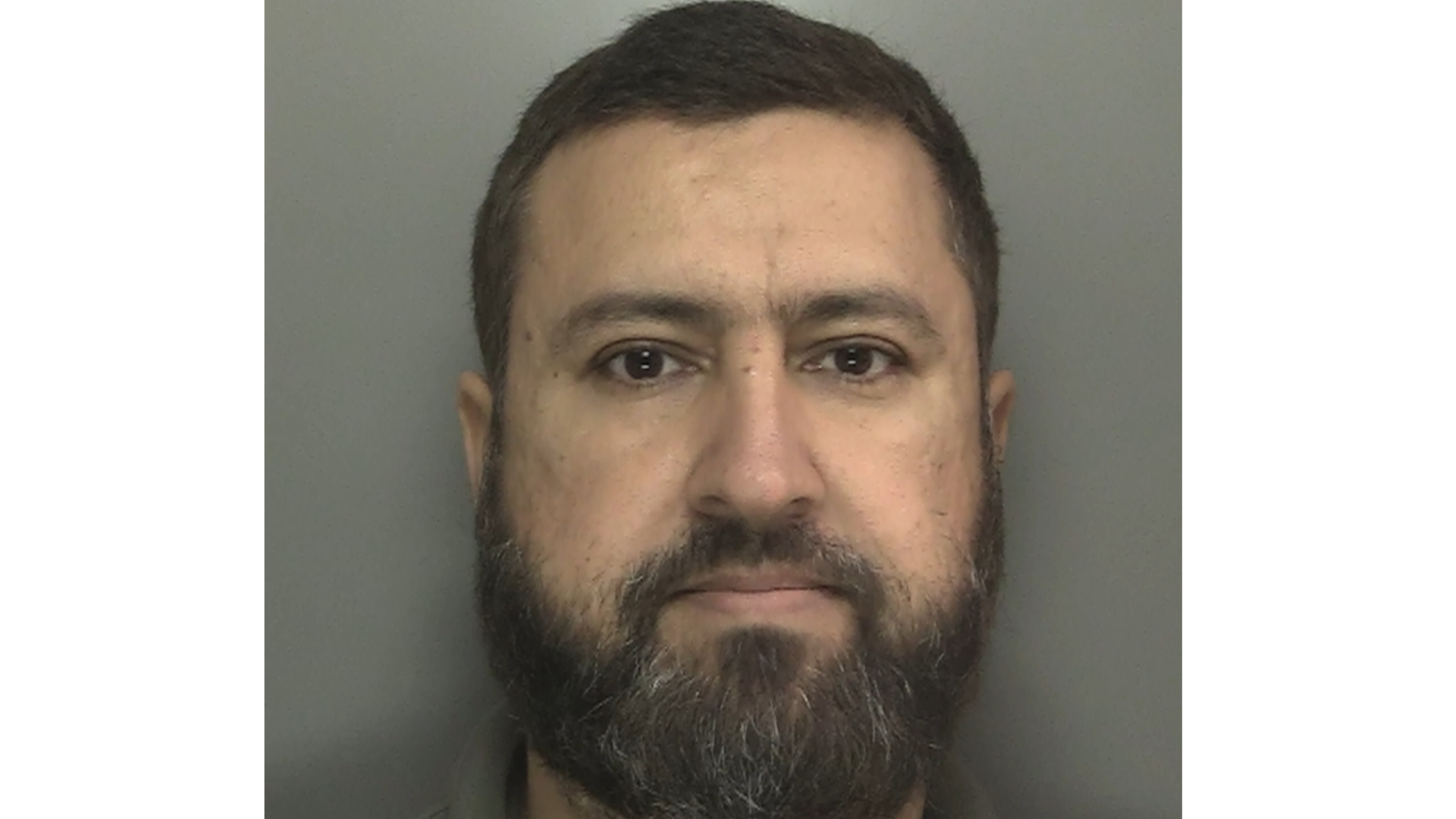
A prominent tutor, once trusted by families to guide their children through the grueling gauntlet of higher education, was sentenced to prison. The charge? Running a sophisticated, highly lucrative cheating ring that systematically compromised university examinations.
To the courts, it was a straightforward case of fraud. To the universities, it was a breach of academic integrity. But to understand how a educator ends up in a prison cell, we have to look past the legal jargon and stare directly into the meat grinder of modern education.
The Architecture of Panic
Consider a hypothetical student named Maya. She isn't a bad person. She isn't lazy. In fact, she worked harder than anyone in her high school to secure a spot at a top-tier university. Her parents emptied their savings to pay for her first year.
But university is different. The lectures are fast, the grading is brutal, and the competition is fierce.
Maya falls behind in her advanced statistics class. One bad quiz turns into a failed midterm. Suddenly, the math tells a horrific story: if she does not get an A on the final exam, she loses her scholarship. If she loses her scholarship, she goes home. The shame feels like it will swallow her alive.
Then, a message pops up on her social media feed. It is an ad for a private tutoring service, promising guaranteed grade improvements.
This is where the tutor stepped in. Let us call him the Architect. He didn't start his career as a criminal mastermind. He started as a brilliant graduate, someone who genuinely understood the coursework and possessed a rare talent for explaining complex algorithms to struggling teenagers. He saw the panic in eyes like Maya’s every single day.
He also saw an opportunity.
The transition from helper to criminal is rarely a sudden leap. It is a slow, greased slide. It begins with "heavy editing" on an essay. It moves to solving a homework problem that a student "just couldn't grasp." Eventually, the money becomes too good, and the students' desperation becomes too leverageable.
The Architect realized that students would pay thousands of dollars not just to learn, but to ensure they didn't fail. He built a system designed to exploit that exact vulnerability.
How the Ring Operated
This was not a simple case of peeking at a neighbor's paper. The operation was digital, covert, and highly organized.
During remote examinations, students would use miniature, hidden cameras disguised as shirt buttons or glasses frames to stream their exam papers in real-time. On the other end of the live stream sat the Architect and a team of hired subject-matter experts. They would rapidly solve the questions, typing out flawless answers.
These answers were then beamed back to the students via tiny, skin-colored earpieces tucked deep inside the ear canal, or through smartwatches hidden beneath long sleeves.
The precision was terrifying. In the span of a two-hour exam, dozens of students were fed bespoke, high-scoring answers simultaneously. The Architect raked in a fortune, charging premium rates for guaranteed passes.
But a system built on deception always leaves a digital footprint.
The downfall began when university data analysts noticed an anomaly. A cluster of students, all performing poorly throughout the semester, suddenly produced identical, flawless answers on a notoriously difficult final exam. Even their mistakes were identical, mirroring a specific, idiosyncratic methodology that didn't match the professor's lectures.
An internal investigation triggered a police inquiry. IP addresses were tracked, bank accounts were monitored, and the digital trail led straight to the Architect's apartment. When authorities raided the space, they found a command center equipped with multiple monitors, signal jammers, and stacks of cash.
The illusion shattered. The tutor was handcuffed, dragged into the sunlight, and ultimately handed a multi-year prison sentence.
The Ghost in the Machine
It is easy to look at this story and condemn the tutor as a predator and the students as cheaters who got what they deserved. That is the clean narrative. It allows us to close the browser tab and feel like justice has been served.
But the real problem lies elsewhere.
Why are young people so utterly terrified of failure that they are willing to risk criminal records, expulsion, and the destruction of their futures just to pass a test?
We live in a culture that has successfully conflated human worth with academic credentials. A degree from a prestigious institution is no longer viewed as an achievement; it is marketed as the baseline requirement for a decent life. Combine that intense pressure with the isolation of digital learning environments, and you create a breeding ground for moral compromise.
When a student sits alone in a room, convinced that a single failing grade will ruin their life, the ethical boundary between studying and cheating begins to blur. The Architect didn't create the panic. He merely harvested it.
The True Cost of a Bought Degree
When the news of the prison sentence broke, the immediate reaction online was a mix of shock and dark humor. Memes circulated. Comments joked about the extreme lengths people go to avoid studying.
But consider what happens next:
The degrees obtained through this ring are now under review. Dozens of students face immediate expulsion and the permanent tarnishing of their academic transcripts. The money their families sacrificed is gone. The trust is broken.
Worse still is the invisible collateral damage. Think about the student who studied honestly, who stayed up until dawn drinking stale coffee, who fought for a hard-earned C-minus. Their effort was devalued by a system where an A could simply be purchased through an earpiece.
When a university degree can be bought, the currency of education becomes worthless. We lose faith in our institutions, our professionals, and each other.
The tutor is now sitting in a cell, stripped of his freedom and his reputation. The students are picking up the pieces of their shattered lives. And somewhere right now, another desk lamp is flickering out in a dark room, leaving another student staring at a blank screen, wondering how much they are willing to pay to survive the night.