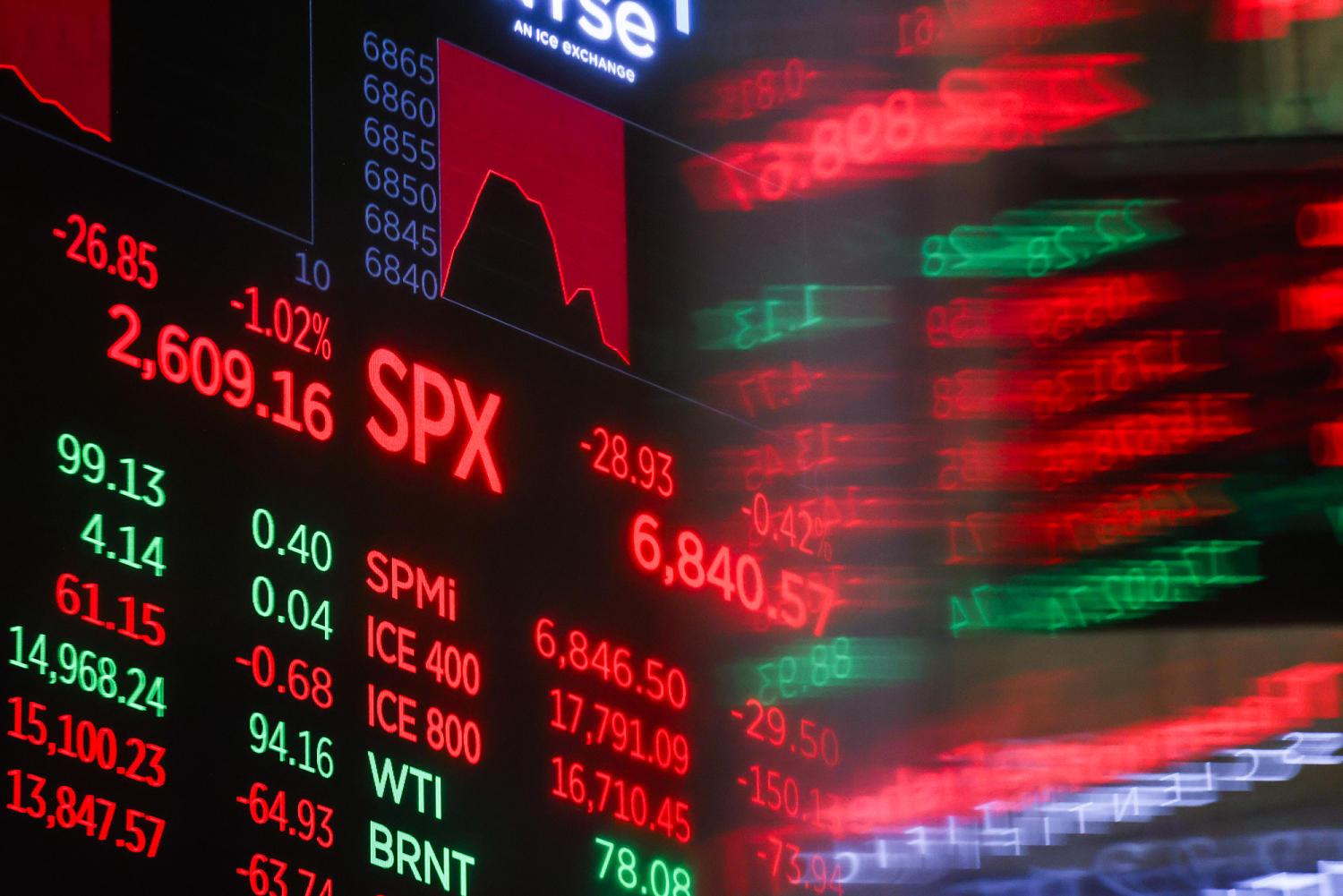
The headlines are screaming again. Wall Street dipped, Tehran is moving pieces on a chessboard, and every retail investor is currently clutching their pearls because Brent crude just spiked. The financial press is recycling the same tired script: "Markets set to open lower," "Volatility ahead," "Safe haven assets only."
It’s lazy. It’s predictable. It’s fundamentally wrong.
If you are selling because of a regional skirmish or a $5 jump in oil, you aren’t an investor. You’re a victim of the 24-hour news cycle. The "lazy consensus" dictates that conflict equals catastrophe. In reality, these geopolitical shocks are the best things that happen to a rational portfolio. They shake out the tourists, reprice risk, and expose the massive, underlying strength of the energy sector that everyone spent the last five years trying to ignore.
The Myth of the "Oil Shock"
Let’s dismantle the biggest lie first: that high oil prices "crush" the economy. This is a 1970s hangover. We aren't living in the era of the Nixon-era embargo. The energy intensity of the global economy—the amount of energy needed to produce $1 of GDP—has plummeted by nearly 40% since 1990.
When oil prices rise today, it doesn't trigger a systemic collapse. It triggers a massive transfer of wealth from consumers to producers. If you own the right companies, you aren't paying that "tax"; you’re collecting it. The "soaring" prices the headlines fear are actually a stress test that the modern, diversified economy passes every single time.
Why Asia Doesn't Care
The competitor pieces will tell you that Asian markets, as net importers, are the biggest losers. This ignores the internal mechanics of the region. Look at the Straits Times Index or the BSE Sensex. These markets are increasingly driven by internal credit cycles and domestic consumption that is surprisingly resilient to fuel costs.
In India, for instance, the government has mastered the art of managing fuel subsidies and diversifying supply. In Singapore, the banks—which dominate the index—thrive on the higher interest rates that "inflationary" oil prices help sustain. Watching the Nikkei drop 1% and claiming it’s a "reaction to Iran" is a classic case of confusing correlation with causation. Most of those losses are just algorithms tagging along with the S&P 500's volatility, not a structural shift in Asian fundamentals.
The Volatility Trap
Most people treat volatility like a disease. I’ve seen funds lose billions trying to hedge against the "unpredictable." Here is the brutal truth: volatility is the only reason you can make outsized returns. Without the fear of an Iranian blockade or a sudden Wall Street slump, assets would be perfectly priced. You’d be stuck with a 4% yield for the rest of your life.
When the market "tracks Wall Street losses," it creates a localized vacuum. It’s a pricing error. The value of a semiconductor company in Taiwan or a bank in Jakarta doesn't actually change because a drone flew over a desert 4,000 miles away. But the price does. If you aren't buying that gap, you’re the one being disrupted.
The Energy Transition Delusion
The "status quo" analysts love to talk about how oil spikes will accelerate the shift to renewables. This is a fantasy. In the short to medium term, high prices do the opposite: they make legacy oil and gas assets wildly profitable, allowing them to buy back shares and pay out dividends that green tech companies can’t even dream of.
The conflict in the Middle East doesn't end the oil age; it highlights how desperate the world still is for it. That desperation is a profit margin.
Stop Asking the Wrong Questions
The typical "People Also Ask" section is a graveyard of bad premises.
- "Should I move to gold during the Iran conflict?" No. Gold is a non-productive asset for people who expect the apocalypse.
- "Is a recession coming because of high oil?" Recessions are caused by credit contraction, not the price of a barrel.
- "How do I protect my portfolio?" You don't "protect" it; you position it.
The Real Risk Nobody Mentions
The real danger isn't the conflict itself. It's the policy response. The risk is that central banks overreact to headline inflation caused by energy prices and tighten credit too fast. That is what kills markets, not the price of Brent.
But even then, look at the historical data. The S&P 500 and the Hang Seng have both historically trended higher six months after a "geopolitical event." The initial dip is the entry point. The subsequent recovery is the reward for not being a coward.
How to Actually Play This
Instead of following the herd into "safe havens" that offer zero growth, look at the companies that benefit from the chaos.
- Upstream Producers: Companies with locked-in costs and floating-rate revenue.
- Logistics and Shipping: Tanker rates go up when routes get complicated.
- Regional Banks: They benefit from the higher-for-longer interest rate environment that energy-driven inflation forces upon the Fed.
I’ve seen traders lose their shirts trying to time the "peace rally." Don't do it. The world is a messy, violent place. Betting on stability is a losing hand. Betting on the resilience of global markets to absorb and profit from that mess is the only way to win.
The headlines are designed to provoke a biological response—fear. They want you to think the "open lower" is a warning. It’s not. It’s a discount.
If you’re waiting for the "perfect time" to invest when the world is at peace, you’ll be waiting in a bread line. The smart money is already buying the dip while the pundits are still typing their "tracking Wall Street" obituaries.
Stop reading the news and start reading the balance sheets. The conflict is noise. The cash flow is signal.
Go buy the fear.