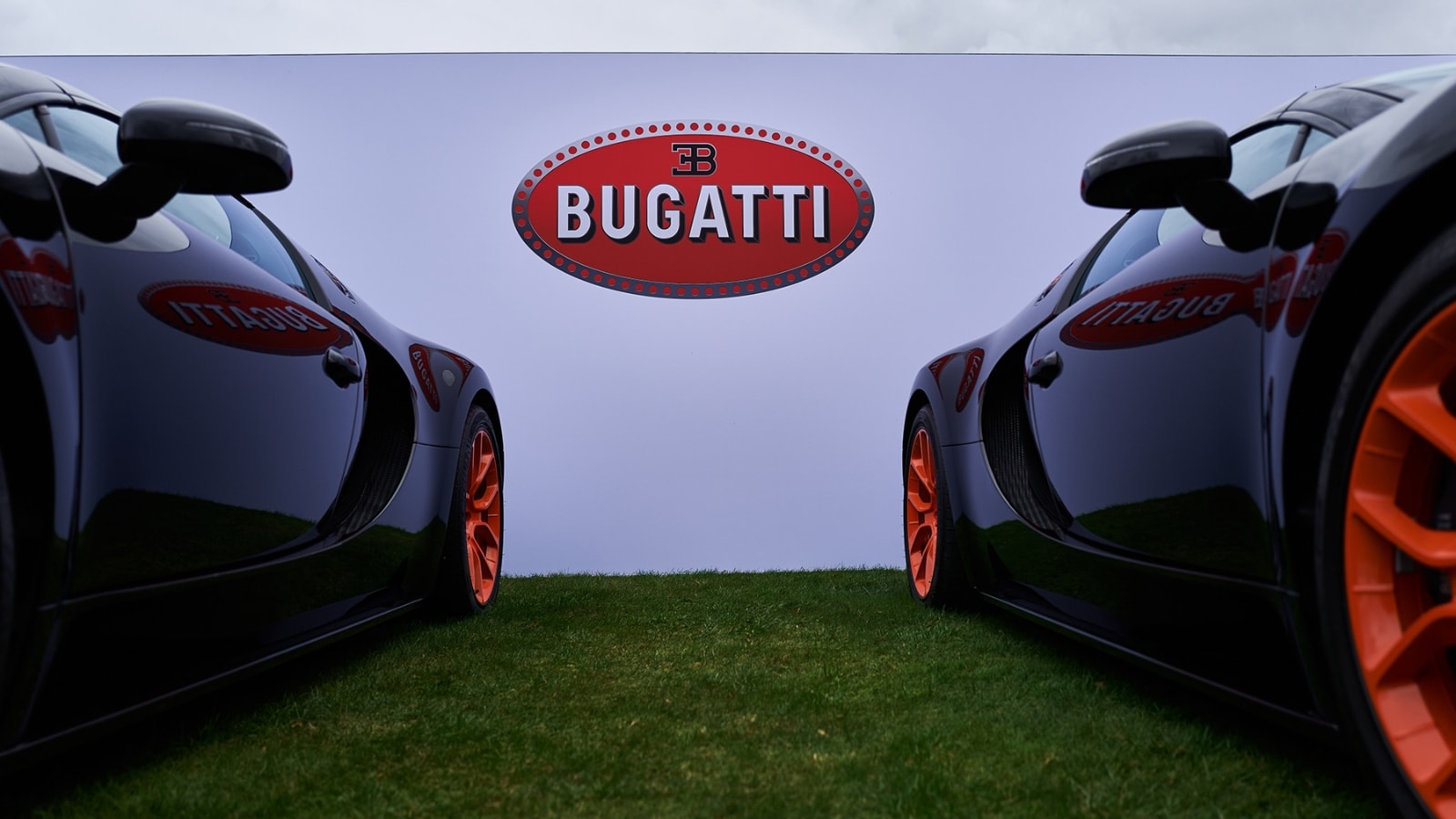
Porsche just finalized a massive financial pivot. The sports car maker officially closed the door on its Croatian hypercar entanglements, selling off its entire equity footprint in both Bugatti Rimac and Rimac Group.
If you look past the standard corporate press releases, this multi-million-dollar exit tells a much bigger story about the pressures currently squeezing the European automotive sector. Zuffenhausen didn't just tidy up its portfolio for fun. They needed cash, and they needed it now.
Breaking Down the Numbers Behind the Exit
The transaction brings roughly 1 billion euros straight into Porsche's balance sheet. That is a serious injection of liquidity during a very tricky market cycle.
Here is where the money is actually going:
- Approximately 250 million euros is earmarked straight for bolstering internal pension obligations.
- The remaining capital stays anchored in shoring up operations as the brand navigates stubborn macroeconomic headwinds.
Before this divestment went through, Porsche's half-year financial report pegged the full-year automotive net cash flow margin at a modest 3 to 5 percent. With the cash injection factored in, management revised that forecast upward to a much healthier 5.5 to 7.5 percent.
Numbers talk. Investors listened.
The Real Drivers Behind the Sale
Why walk away from hypercar royalty? Porsche originally helped orchestrate the Bugatti Rimac joint venture back in 2021, securing a 45 percent stake in the hypercar division alongside a 20.6 percent holding in Rimac Group. It looked like a brilliant marriage of heritage and electric vehicle agility at the time.
Times change. The automotive market right now is brutal.
Demand in China has cooled off significantly, pulling down earnings across major European luxury brands. At the same time, the broader transition toward full electrification is proving much slower, messier, and more capital-intensive than boardrooms anticipated a few years ago.
Porsche had to choose between funding ultra-exclusive luxury experiments or protecting its core sports car business. They chose the core. Selling out of Bugatti Rimac—which was acquired by a consortium led by HOF Capital and BlueFive Capital—ends Volkswagen's long structural tie to the legendary French nameplate that started all the way back in 1998 under Ferdinand Piëch.
What This Means for Car Buyers and Investors
If you are watching Porsche stock or waiting on your next 911 allocation, this move signals a return to basics. Management is trimming the fat. They are focusing purely on high-margin sports cars and navigating the EV transition on their own terms, without bleeding cash into niche joint ventures.
Expect tighter operational focus over the next fiscal quarters. Porsche is buffering its pension liabilities and cleaning house to weather a difficult economic climate. The hypercar era of joint stewardship is over, and survival means keeping the balance sheet bulletproof.