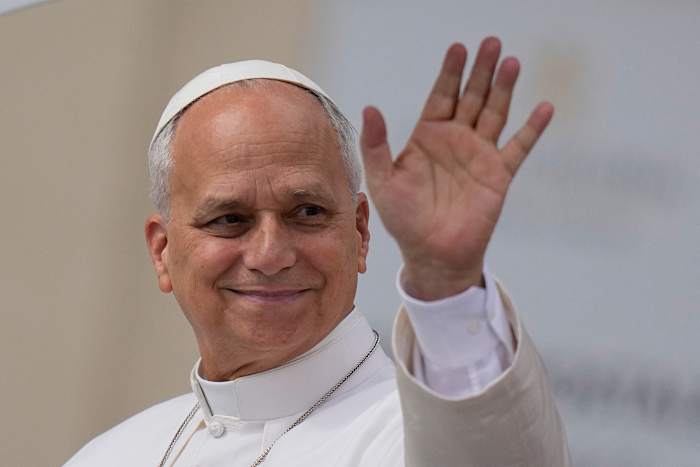
The Vatican is no stranger to old traditions, but it is fast becoming a central player in modern tech ethics. Pope Francis just set up a dedicated artificial intelligence study group. This move comes at a crucial moment. The Vatican is currently putting the final touches on his upcoming encyclical, a high-level papal document that will lay out the Catholic Church's official stance on digital ethics and human labor.
If you think the Church is late to the party, you are misreading the situation. The Vatican has quietly watched the tech industry for years. Now, they are drawing a line in the sand. This isn't just about theology. It's about data privacy, automated warfare, and who controls the algorithms shaping daily life.
The Reality Behind the New Vatican AI Study Group
This new group isn't just a gathering of bishops reading tech blogs. It brings together ethicists, scientists, and policy experts to create a framework that addresses machine learning from a human-centric perspective. They want to influence global policy before corporate tech monopolies lock down the rules.
The timing matters. The study group's immediate task is providing deep technical context for the upcoming papal encyclical. In the Catholic world, an encyclical is the most authoritative document a pope can write. When a pope issues one on a specific topic, the entire global network of Catholic institutions—schools, universities, charities, and dioceses—shifts its focus to align with it.
We saw this happen in 2015 with Laudato si', the Pope's encyclical on the environment. That single document shifted international religious conversations and heavily pressured political leaders ahead of global climate summits. This upcoming document on artificial intelligence aims to do the exact same thing to Silicon Valley and international regulators.
What Most Media Outlets Get Wrong About the Church and Tech
Most news reports paint this as a sudden reaction to chatbots and image generators. That is completely wrong. The Vatican's engagement with advanced computation goes back decades.
The Pontifical Academy of Sciences has hosted dialogues on complex computing systems since the days of mainframe computers. More recently, the Vatican spearheaded the "Rome Call for AI Ethics" in 2020. That document was signed by tech giants like Microsoft and IBM, as well as United Nations agencies. It laid out clear principles: transparency, inclusion, accountability, impartiality, reliability, and security.
The new study group is the operational arm of those principles. It exists because the Vatican realizes that high-level declarations aren't enough anymore. Code is being written today that will decide who gets a loan, who gets medical treatment, and who survives on a automated battlefield.
The Core Issues on the Vatican Agenda
The group's internal agenda focuses heavily on three specific areas where automated systems threaten human dignity.
- Algorithmic Bias in Justice and Banking: Automated systems often replicate human prejudices. If an algorithm trains on historical data that discriminates against poor neighborhoods, the AI will keep denying loans to those same communities. The Vatican views this as a systemic sin embedded in software.
- The Future of Work and Mass Displacement: This is a massive economic concern for the Church. When generative models replace copywriters, programmers, and administrative staff, wealth concentrates into even fewer hands. The Pope's team is looking at the economic fallout for families, not just corporate productivity.
- Autonomous Weapons Systems: The development of drones and weapons that make killing decisions without human intervention is a red line for Vatican diplomats. They are pushing for an outright international ban on fully autonomous lethal weapons.
Why Silicon Valley Is Actually Listening to Rome
It is easy to be cynical. Why would a tech executive in California care what an 89-year-old pontiff says in Rome?
The answer is global reach. The Catholic Church influences over 1.3 billion people. It runs thousands of universities and hospital networks globally. When the Vatican issues procurement guidelines based on ethics, it changes how billions of dollars are spent on technology.
Tech companies are facing a massive public trust crisis. Working with the Vatican gives tech executives a veneer of ethical legitimacy. When Microsoft President Brad Smith or OpenAI leadership visits Rome, it isn't just a photo op. It's a strategic meeting about how to govern tools that are rapidly moving past the control of national governments.
The Tension Between Progress and Ethics
Don't expect the upcoming encyclical to be a simple anti-tech rant. The Vatican uses AI itself. The Vatican Apostolic Library uses advanced scanning and machine learning tools to preserve, catalog, and analyze thousands of ancient manuscripts. They know the tech is useful.
The argument isn't about stopping progress. It's about direction. The study group is arguing that tech development shouldn't be guided solely by venture capital profit margins.
There is a legitimate debate here. Some tech accelerationists argue that heavy ethical regulations slow down innovation, making western tech companies lose ground to international rivals with fewer ethical restrictions. The Vatican's counter-argument is simple. Speed doesn't matter if you are running toward a cliff.
What Happens Next for Tech Regulators and Businesses
If you run a business or build software, you need to watch this space closely. The Vatican's actions will likely trigger a wave of new regulatory discussions, especially in the European Union, where religious and ethical groups hold significant sway over policy drafting.
Stop viewing ethical compliance as a legal chore. Start auditing your own systems now. Look closely at your data pipelines. Check for hidden biases in your automated hiring tools or customer sorting algorithms. If your business relies on automated decision-making, ensure there is always a human in the loop to review critical choices. Ethical tech isn't a branding exercise anymore. It's becoming the standard for doing business globally.