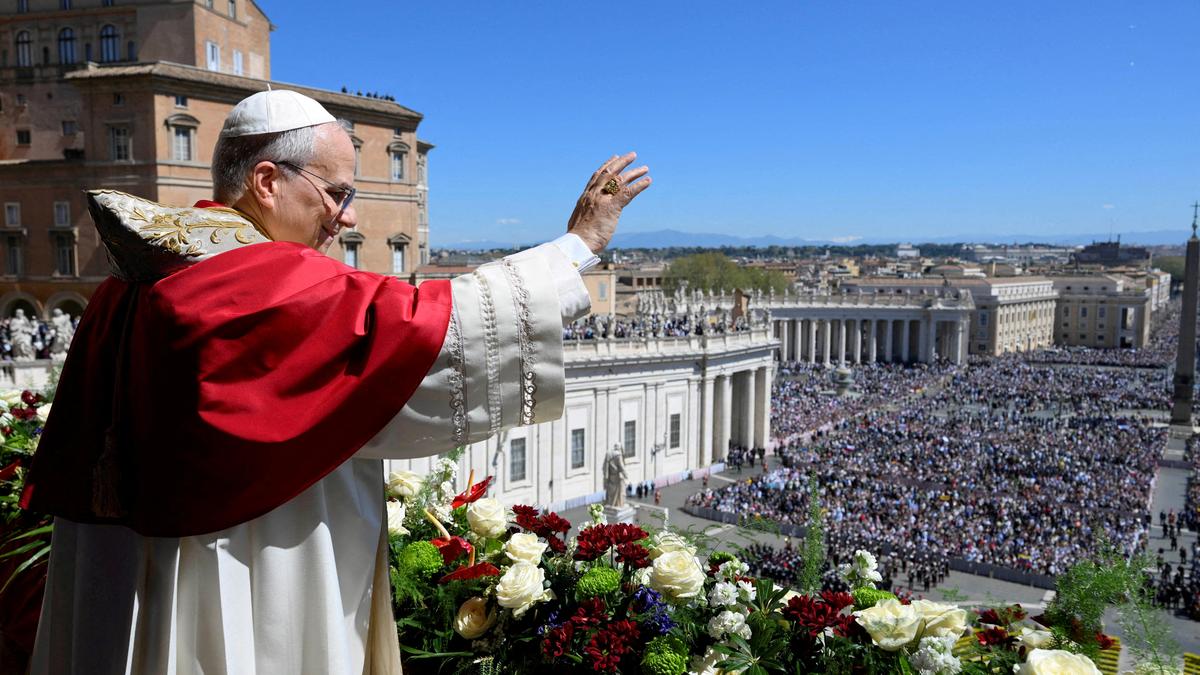
Pope Leo is about to land in Africa for a 10-day tour that isn't just about ceremonies or handshakes. He’s heading straight into the heart of regions struggling with climate shifts, debt, and forgotten conflicts. People often see these trips as mere photo ops. They aren’t. This journey matters because it forces the global north to look at the consequences of its own policies. It’s a mission to spotlight the continent's needs at a time when most Western powers are looking the other way.
He isn't just visiting the big capitals. The itinerary shows he’s spending time in communities where the daily struggle for clean water and basic safety is the only reality. You won't find much sugar-coating here. The Pope knows that the "African growth narrative" often hides the fact that millions are being left behind by a global economy that takes more than it gives. For a deeper dive into similar topics, we recommend: this related article.
The debt trap and why the Pope wants it gone
Wealthy nations talk a lot about aid. They talk less about the interest rates that keep African nations in a cycle of poverty. Pope Leo has been vocal about "debt forgiveness" for years, but this trip puts that demand on the doorstep of the people actually living with the fallout. When a country spends more on servicing a loan to a foreign bank than it does on its own hospitals, that's a moral failure.
It’s a math problem with a human face. In countries like Zambia or Kenya, the cost of living has skyrocketed. While economists argue about fiscal responsibility, the Pope is arguing for human dignity. He’s expected to meet with local leaders and push for a radical restructuring of how international finance treats the global south. It’s a bold stance. It’s also one that makes some people in Washington and Brussels very uncomfortable. For additional details on the matter, in-depth analysis can be read at Associated Press.
He’s going to say it out loud. He’s going to point out that you can’t have a stable world while one continent is forced to choose between feeding its kids and paying back a centuries-old colonial debt legacy. It’s about time someone with that much influence called it out.
Facing the climate crisis where it hits hardest
Africa produces the lowest carbon emissions but pays the highest price for the warming planet. That’s the reality. Pope Leo’s 10-day tour includes stops in areas where drought has turned farmland into dust. He’s not there to give a science lecture. He’s there to witness the migration and the hunger caused by weather patterns that have gone haywire.
The Vatican has increasingly positioned itself as an environmental advocate. This isn't just "green" talk. It's about survival. In places like the Sahel, climate change isn't a future threat. It's a current cause of war. When the water runs out, people fight. By visiting these specific spots, the Pope is linking environmental justice with peace.
He knows the world is distracted by other wars. He wants to remind us that the biggest conflict of all is the one we’re waging against the earth, and Africa is the front line. If we don't fix the climate mess there, the resulting mass migrations will change the world in ways no border wall can stop.
The silence around forgotten wars
We see the news every day. We see Ukraine. We see the Middle East. But what about the eastern DR Congo or the internal struggles in Sudan? These conflicts often get a tiny fraction of the media coverage. Pope Leo is intentionally putting himself in the middle of these "forgotten" zones.
His presence acts as a massive signal fire. For ten days, the world’s cameras will be forced to point at regions they usually ignore. It’s a clever use of soft power. He’s meeting with victims of violence, not just the politicians who start the wars. He wants to hear from the mothers who have lost everything. That kind of testimony is hard to ignore when it’s delivered to a global audience.
Why this trip is different from previous visits
In the past, papal visits felt more like religious rallies. This feels different. It’s more political. It’s more urgent. Pope Leo is 89. He’s not doing this for the frequent flyer miles. He’s doing it because he feels the window for change is closing.
Critics say he shouldn't meddle in economics or climate policy. They’re wrong. You can’t talk about the soul and ignore the stomach. If the Church wants to stay relevant in 2026, it has to address the stuff that actually keeps people up at night. That’s exactly what he’s doing. He’s taking the Church out of the cathedral and into the dust.
The logistics of this trip are a nightmare. Security is a massive concern. The heat is intense. Yet, the schedule is packed. That alone tells you how much he believes in this mission. He’s showing up because showing up is half the battle.
The role of local leadership
The Pope can’t fix Africa’s problems alone. He knows that. A big part of this trip is about empowering local grassroots organizations. He’s meeting with community organizers who are building solar-powered wells and local clinics.
These are the people doing the real work. By spending time with them, he gives them a kind of "diplomatic immunity" against local corruption. It’s harder for a local strongman to shut down a charity when the Pope has just blessed its founder on global television. It’s a protective layer of fame that these activists desperately need.
What happens after the planes leave
The biggest risk for any high-profile tour is that the momentum dies the moment the entourage leaves the tarmac. We’ve seen it before. A celebrity or a leader visits, everyone feels bad for a week, and then we go back to scrolling.
This time, the Vatican is reportedly working on a follow-up framework. They’re looking to create a permanent advocacy group that tracks the promises made during this tour. It’s about accountability. If a leader promises to reform a law while the Pope is in town, there needs to be someone there on day 11 to make sure they actually do it.
Don't just watch the speeches. Watch the crowds. Look at the faces of the people who have walked for days just to see a glimpse of the motorcade. They aren't there for a show. They’re there for hope. In a world that feels increasingly cynical, that hope is a powerful currency.
If you want to support what’s happening, don’t just read the headlines. Look into organizations like Catholic Relief Services or local African-led NGOs that are mentioned during the tour. They are the ones who stay behind when the cameras go dark. Support their work directly. Pressure your own government to look at debt relief and climate reparations. That’s how this 10-day mission actually turns into a long-term win for the continent. Keep an eye on the specific policy demands the Pope makes in his final speech in Lagos. That will be the blueprint for everything that comes next.