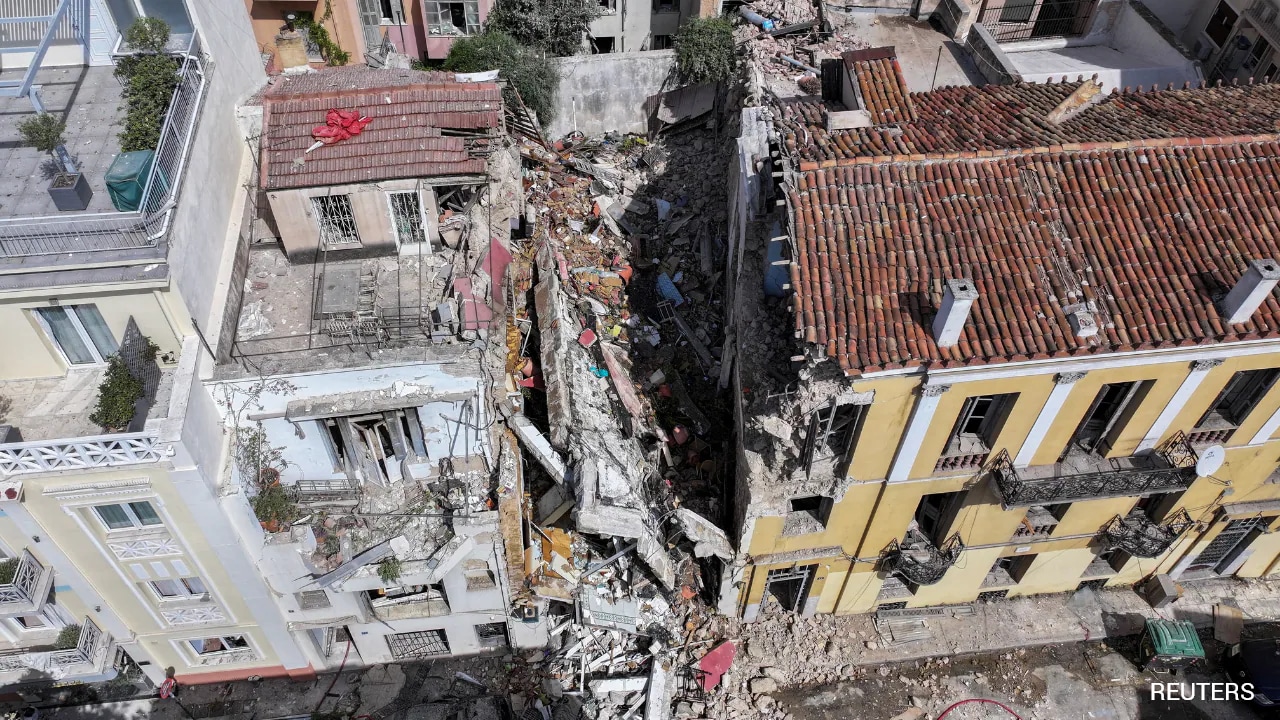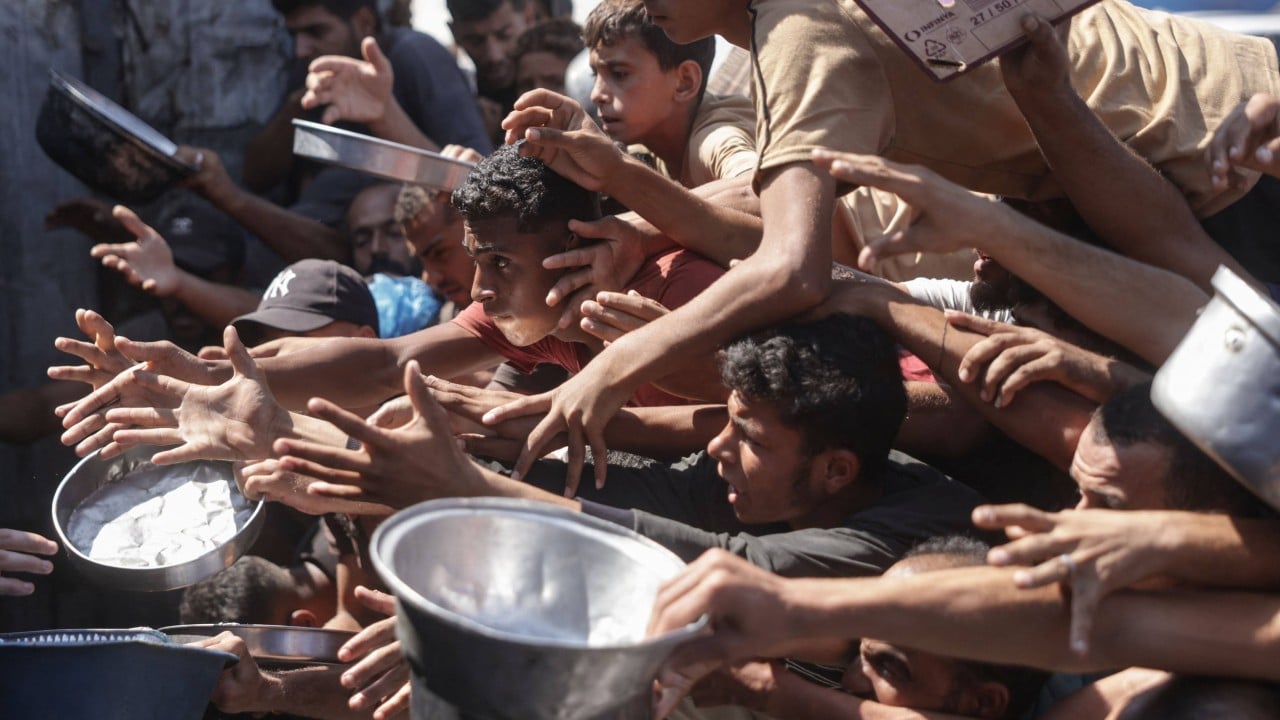
Elections change governments, but wartime politics operate on an entirely different playbook. When Hamas senior figure Khalil al-Hayya recently argued that Israeli political parties use the ongoing tragedy in Gaza as fuel for their electoral ambitions, he highlighted a brutal dynamic. Political campaigns during active military engagements rarely offer fresh visions for peace. Instead, they harden positions, rally domestic bases through fear, and treat human suffering as political currency.
If you look closely at how state elections function during prolonged conflicts, a clear pattern emerges. Parties across the political spectrum compete over who appears tougher on security. Moderate voices get sidelined. Hardline rhetoric becomes the baseline.
The Anatomy of Conflict Elections
During standard political cycles, candidates debate taxes, healthcare, infrastructure, and inflation. Voters weigh economic performance against promises of future prosperity. But when a nation is locked in an existential military conflict, the entire electoral calculus shifts. Security dominates every headline, every speech, and every strategic calculation.
Incumbents point to active military operations as proof of their unwavering resolve. Challengers often argue that current leaders aren't prosecuting the campaign aggressively enough or lack a coherent endgame. Notice what's missing from this equation. Discussions about diplomacy, humanitarian impact, or long-term regional stability take a backseat to short-term political survival.
Al-Hayya’s remarks during his interview with regional media outlets underscored a cynical assessment of Israel's upcoming vote. He asserted that regardless of which party or politician secures power, the underlying political incentives remain unchanged. From his perspective, every faction participating in the electoral race stands implicated in the devastation of Gaza.
Why Moderation Disappears at the Ballot Box
Voters under threat behave differently than voters enjoying stability. Fear drives political conformity. When citizens feel their physical safety is directly compromised, candidates who promise compromise are easily painted as weak or naive.
This creates a race to the bottom. Political figures who might privately favor diplomatic settlements feel compelled to adopt hawkish stances to avoid losing public support. Every speech becomes a test of strength. Every military action gets scrutinized through the lens of electoral optics rather than strategic necessity.
Think about how media coverage amplifies this phenomenon. News cycles fixate on daily escalations, casualty counts, and political maneuvering. Voters become conditioned to view elections not as a choice between governance styles, but as a referendum on national survival. In that environment, humanitarian concerns vanish from domestic political debates entirely.
Beyond the Ballot Box
Expecting an election to deliver a sudden shift in policy ignores the structural incentives of wartime politics. When political survival is tied to military posture, peace initiatives carry immense electoral risk. Leaders who negotiate too early risk alienating their core supporters and handing ammunition to political rivals.
This reality explains why regional actors view Israeli electoral cycles with deep cynicism. Change rarely arrives via the ballot box when the political reward structure favors escalation over compromise.
Understanding this dynamic requires looking past campaign slogans and analyzing the underlying structural pressures driving state behavior. Elections are supposed to offer a course correction. When the course itself is built on ongoing conflict, voting becomes merely a mechanism for reaffirming the status quo.
The real test for any political system isn't how it behaves during peacetime. It's whether leaders possess the political courage to break free from the addictive cycle of conflict-driven politics when the stakes are highest. Right now, there's little sign that either side of this protracted struggle is willing to pay the political price required to step off the wheel.