Fear moves fast through a hallway. Within minutes of a digital threat flashing across a messaging application, attendance numbers drop, administrators lock heavy oak doors, and parents rush to school parking lots with their hearts in their throats.
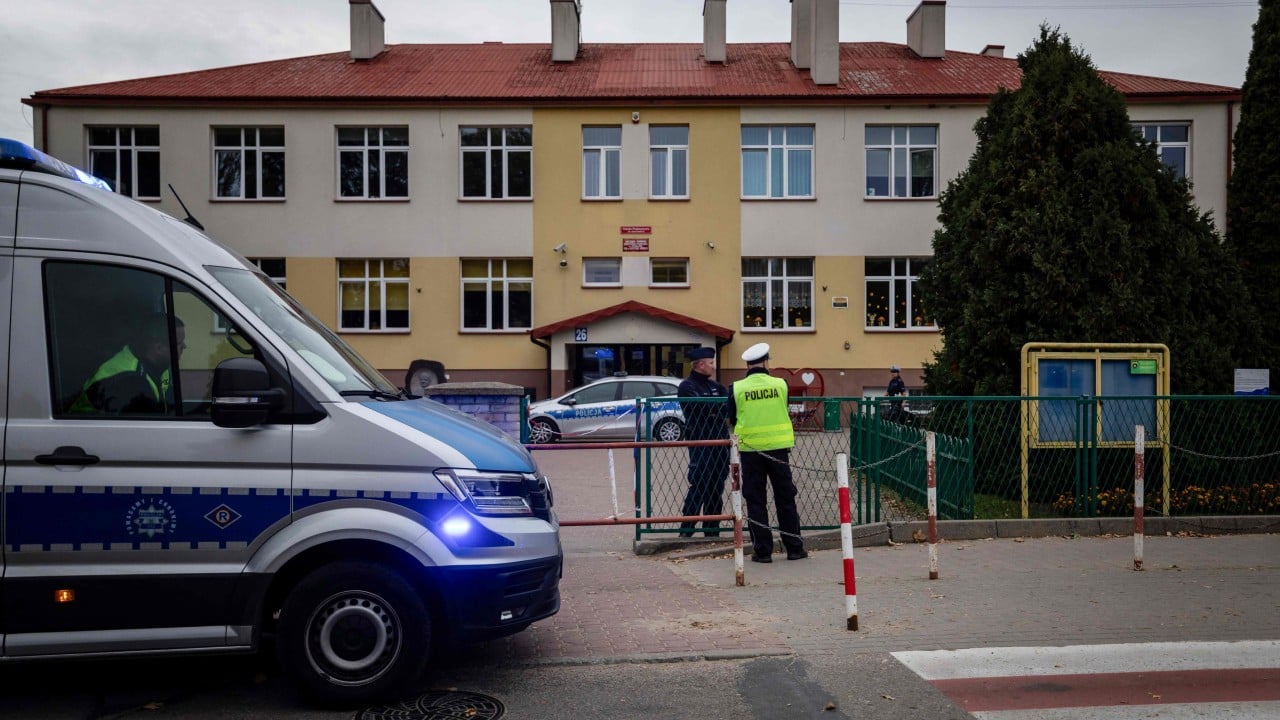
Poland faced this exact panic following two distinct, violent attacks that shattered the baseline assumption of institutional safety across the country. The response was immediate and overwhelming. Authorities detained 76 individuals and launched sweeping security checks across nearly 50,000 educational facilities.
This massive mobilization exposes a deeper, more unsettling vulnerability inside modern civic infrastructure. When anonymous threats can paralyze a nation's entire educational network, the crisis extends far beyond a localized criminal act. It reveals how easily fear weaponizes digital spaces against physical safety.
The Anatomy of a Systemic Scare
Security architecture in public institutions relies on assumed boundaries. Gates lock, visitor logs track movement, and local police maintain routine patrols. These measures work against conventional threats. They collapse entirely when the threat vector shifts to encrypted communication channels and coordinated psychological disruption.
The initial incidents acted as a catalyst. Panic thrives in ambiguity. When rumors mix with verified reports of violence, institutional decision-makers face an impossible choice. Downplay the warning and risk catastrophic loss of life. Overreact and feed a cycle of terror that achieves the exact disruption hostile actors desire.
Police forces found themselves caught between operational limitations and public demand for absolute security. Checking nearly 50,000 schools in a compressed timeframe requires immense resource allocation. Every squad car diverted to an empty gymnasium or administrative office is a unit pulled away from active community policing. The sheer logistics of the operation demonstrate the fragile margin separating routine governance from emergency posture.
Beyond the Perimeter Wall
Physical fortifications fail when the vulnerability is cultural and digital. Modern threat actors understand that blowing up a wall is secondary to destroying the trust that holds a community together. By distributing coordinated threats across multiple administrative regions simultaneously, perpetrators overload emergency response networks.
During the height of the crisis, local law enforcement agencies received hundreds of simultaneous distress calls. Dispatchers struggled to separate credible dangers from copycat pranks and hysterical rumors. This information bottleneck paralyzes command structures.
Investigating these events uncovers a troubling reliance on reactive security. For decades, school safety investments focused on hardware. Cameras, buzzer systems, and reinforced doors dominated municipal budgets. Yet none of these tools stop a text message sent from a burner account operating behind a virtual private network.
The detentions of the 76 suspects highlight the complicated nature of modern policing. Many of those apprehended were copycats or juveniles testing the limits of online anonymity, emboldened by the media amplification of the initial events. This creates a dangerous feedback loop. The more attention the threats command, the more attractive the disruption becomes to disaffected individuals seeking notoriety.
The Cost of Permanent Vigilance
Living in a state of high alert exacts a severe toll on institutional health. Teachers cannot foster curiosity and critical thinking while standing guard at locked doors. Students absorb the ambient anxiety of adults who treat every backpack and unfamiliar face as a potential hazard.
Municipal budgets absorb the shockwaves of these security sweeps. Overtime pay for officers, emergency consultation fees for cybersecurity firms, and the installation of upgraded digital monitoring tools strain local economies. Schools already operating on tight margins find themselves diverting funds from textbooks and instructional support toward threat mitigation.
Furthermore, the mass checks across tens of thousands of facilities exposed stark disparities in baseline readiness. Well-funded urban institutions adapted quickly with professional security audits and communication protocols. Rural facilities often relied on outdated analog phone trees and exhausted administrators who lacked the training to evaluate digital threat credibility.
Rewriting the Playbook
If institutional safety remains hostage to every anonymous message, public confidence will erode permanently. Protecting schools requires shifting away from reactionary mass lockdowns and toward resilient intelligence networks.
Law enforcement agencies must build specialized digital forensics units capable of tracing and neutralizing threats at the source before panic achieves critical mass. Deterrence depends on speed and certainty of identification. When individuals learn that digital masks offer zero protection against state investigative apparatuses, the frequency of disruptive hoaxes drops sharply.
Simultaneously, educational leadership must establish clear, standardized communication protocols that prevent rumor mills from driving administrative decisions. Transparency builds trust. Parents and staff need reliable information channels that distinguish actual danger from background noise.
The sweeping sweeps and dozens of detentions across Poland mark a critical turning point. They serve as a stark reminder that physical borders offer little defense against intangible disruptions. Securing the future of education requires defending the digital nerve centers just as fiercely as the front gates.