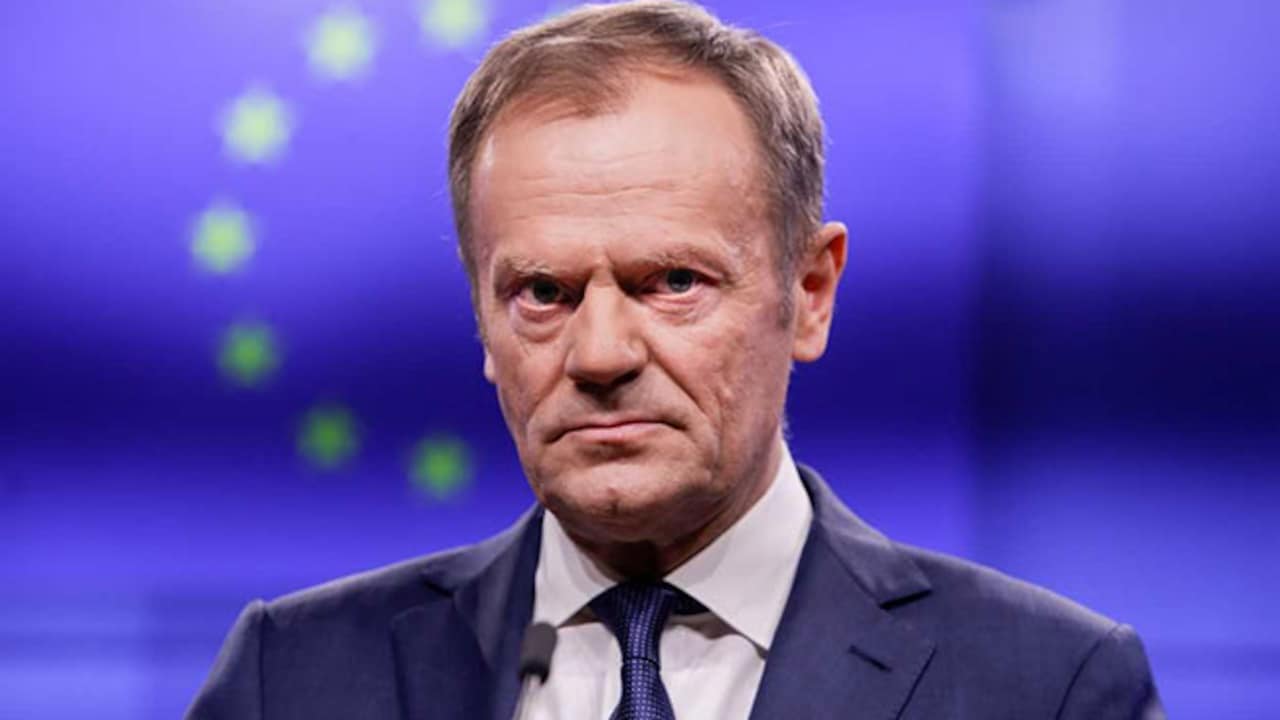
The war next door is creeping closer to home. When Polish Prime Minister Donald Tusk stood up in parliament to lay out classified intelligence warnings, he didn't sugarcoat the reality facing Europe's eastern flank. Russia isn't just targeting Ukrainian infrastructure anymore. According to Warsaw's latest security assessments, Moscow is actively plotting hybrid drone and missile provocations that could spill directly onto the territory of NATO allies supporting Kyiv.
It is a stark admission. For years, Western leaders treated stray munitions and border airspace violations as accidental byproducts of chaotic air wars. Tusk's warning flips that assumption on its head. These incidents aren't random glitches. They are calculated probes designed to test whether NATO's mutual defense pact actually works in practice, or if it exists purely on paper.
The Escalating Threat on NATO's Eastern Flank
You don't have to look hard to see why Warsaw is sounding the alarm. Recent weeks have brought the conflict chillingly close to the border. Russian drone strikes have hit targets mere kilometers from Polish transit hubs, and military prosecutors recently neutralized a Russian Gerbera 2 drone carrying a live warhead after it washed up in the Baltic Sea. Jet-powered drones and stray cruise missiles are no longer theoretical threats confined to eastern Ukraine; they are regularly forcing Polish and allied fighter jets to scramble into emergency defensive postures.
Tusk made it clear that intelligence briefings point to a deliberate scaling up of these hybrid pressure tactics. The strategy is simple. By pushing the boundaries of what NATO tolerates, Moscow aims to fracture the political unity of countries supplying weapons, money, and humanitarian aid to Ukraine. If a drone crashes into a logistics warehouse in Poland or a residential zone in a Baltic state and the alliance responds with hesitation, the Kremlin wins a major psychological victory without ever triggering a full-scale conventional war.
Why Moscow Thinks Time Is on Its Side
Behind closed doors, diplomatic channels aren't yielding breakthroughs. Intelligence gathered by regional partners indicates that the Kremlin currently has zero interest in authentic peace talks or a realistic ceasefire. Unless Ukraine faces total capitulation, Moscow plans to grind out the conflict through sheer attrition.
That uncompromising posture changes the math for European security. If Putin believes he can outlast Western political will, increasing hybrid attacks on supply lines, railways, and border regions becomes a rational tool of statecraft. It forces NATO members to spend billions on domestic air defense and border fortifications—like Poland's massive new eastern fortification projects—rather than focusing entirely on shipments to the front lines.
The Test for Allied Solidarity
Poland sits right at the center of this geopolitical storm as the primary logistical gateway for Western military aid. Yet carrying that heavy burden creates friction. While Warsaw continues to reinforce its military capabilities and signs joint defense pacts to share critical anti-drone technology, domestic economic realities mean hard choices have to be made about funding external weapon purchases.
The ultimate vulnerability isn't just physical; it's political. Tusk's address was ultimately a message addressed as much to Western capitals as it was to Moscow. A unified, swift, and uncompromising response to the next airspace violation or hybrid strike will dictate whether deterrence holds. If allies blink, the grey zone of hybrid warfare will only expand.