Platforms are designed for movement. They are concrete ribbons of anticipation, places where strangers briefly share the same breath while waiting for steel wheels to screech against iron. You check your watch. You shift your weight from one foot to the other. You think about the coffee waiting at your destination, or the email you need to send before noon. You do not think about the end of everything.
Train stations are the modern world's crossroads, humming with a frantic, anonymous energy. People rush past luggage carts, couples exchange quick, parting embraces beneath departure boards that click and rattle like mechanical teeth, and children press their faces against glass kiosks. In the middle of this organized chaos, vulnerability is invisible. We assume safety because everyone around us is simply trying to get somewhere else, just like us.
Then, a sudden tear in the fabric of ordinary life.
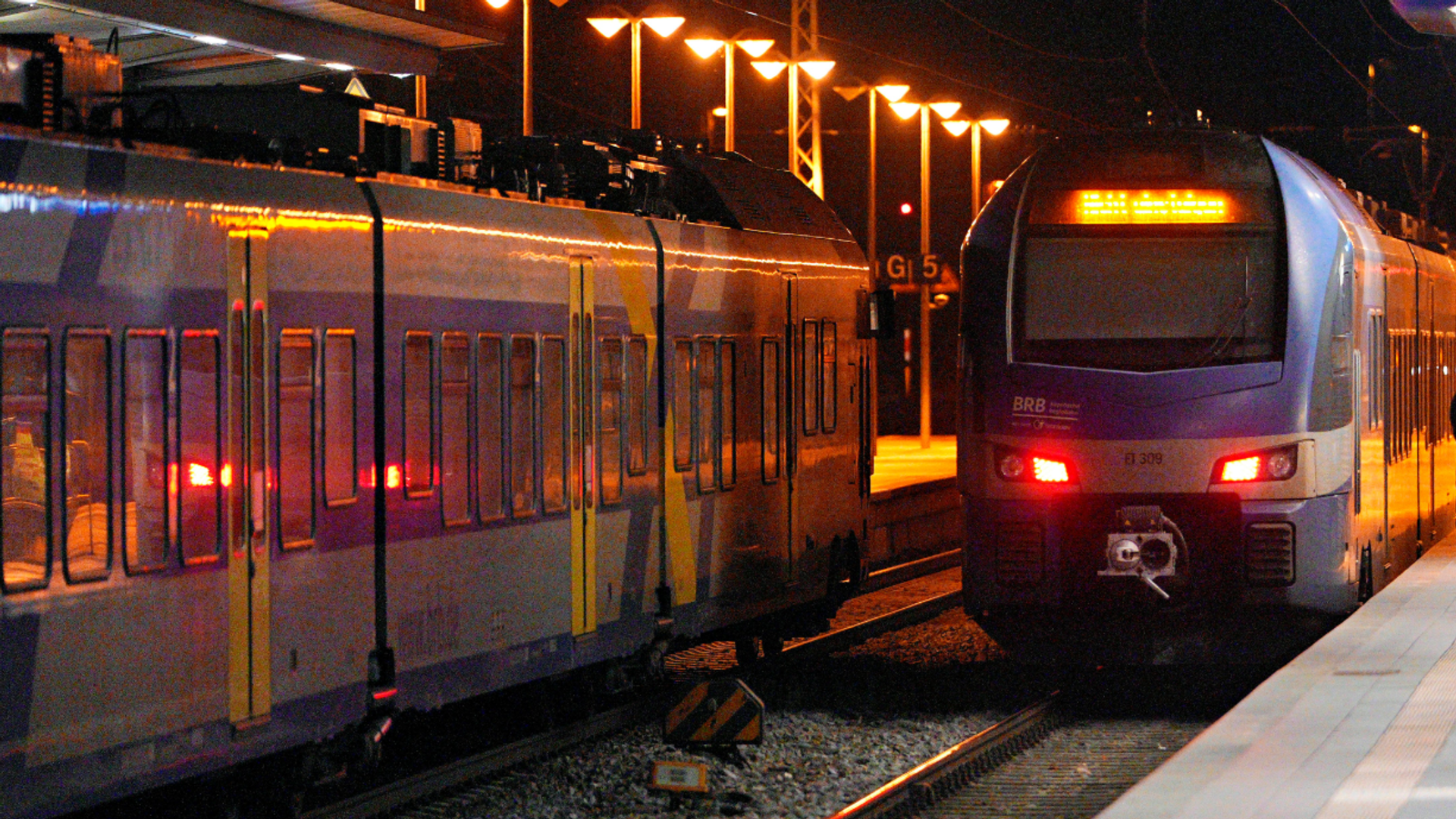
Consider what happens in the span of a single heartbeat when an environment of transit turns into a theater of violence. It is an incident that defies easy comprehension. A British woman, traveling through the machinery of European transit, steps onto a platform in Germany. The details, filtered through police reports and emergency dispatch logs, arrive later in stark, clinical fragments: an altercation, a flash of steel, a desperate scramble for help, sirens wailing against the concrete acoustics of the station.
Cold facts tell us that a life was extinguished on a platform in broad daylight. They tell us about jurisdictions, suspect descriptions, and the immediate arrival of medical responders. But cold facts leave out the weight of the air right before the scream. They leave out the way a bustling crowd fractures instantly, exploding outward in waves of sheer terror, leaving a lone figure on the ground.
I know that feeling of sudden disorientation all too well. Years ago, standing in a crowded terminal during a transit strike delay, the atmosphere shifted from mundane annoyance to sudden panic as a fight broke out near the turnstiles. The noise spiked. The ground felt less solid beneath my boots. In that fraction of a second, the illusion of safety stripped away, you realize how fragile the social contract really is. We walk among millions of strangers every day, trusting an invisible web of laws, decency, and common sense to keep us intact.
When that web snaps, the consequences are irreversible.
The aftermath in Germany reveals a familiar, hollow ritual. Police tape cordons off the area, turning a place of motion into a static monument of tragedy. Commuters are rerouted. Trains are delayed. The administrative machinery of the state grinds into action to catalog the loss, interview witnesses, and piece together motives that rarely make logical sense. Yet, for all the investigations and security footage reviews, the fundamental question remains unanswered: why?
Why does a routine journey end in catastrophe?
The modern traveler carries an invisible armor made of routine. We put in our headphones, stare down at glowing screens, and cocoon ourselves in personal bubbles of music and podcasts, deliberately tuning out the erratic energy of the crowds around us. It is a necessary coping mechanism for urban survival. But that very armor can make us slow to notice the subtle shifts in our environment—the raised voice, the erratic movement, the brewing storm two yards away.
Security cameras capture the motion, but they cannot capture the profound silence that settles over a community after the shockwaves fade. Friends and family in the United Kingdom wake up to a phone call that redefines their universe. A life built over decades—birthdays, quiet breakfasts, inside jokes, ordinary Tuesday afternoons—vanishes into a police blotter headline.
We try to process these events by looking for systems to fix. Better lighting at stations. More patrol officers. Faster emergency response times. These are necessary, vital measures. If a transit hub cannot guarantee basic physical security, its entire purpose collapses. But hardware and increased policing are only surface solutions to a deeper, more unsettling human problem.
The real vulnerability is not architectural. It is human.
As you navigate the world tomorrow, stepping onto your local train, waiting for your bus, or weaving through a crowded airport terminal, the urge will be to pull your headphones tighter and look straight ahead. Do not do that. Look up. Notice the person standing beside you. Acknowledge the shared, fragile humanity of the space you occupy. We cannot bulletproof every platform on earth, but we can refuse to let the noise of transit make us entirely indifferent to the lives moving alongside our own.
The platform is empty now. The flashing blue lights have faded, the investigators have packed their kits, and the morning commute has resumed its relentless rhythm over the very spot where a life ended. The trains arrive on time. The doors slide open. And the world moves forward, carrying the memory of those who no longer can.