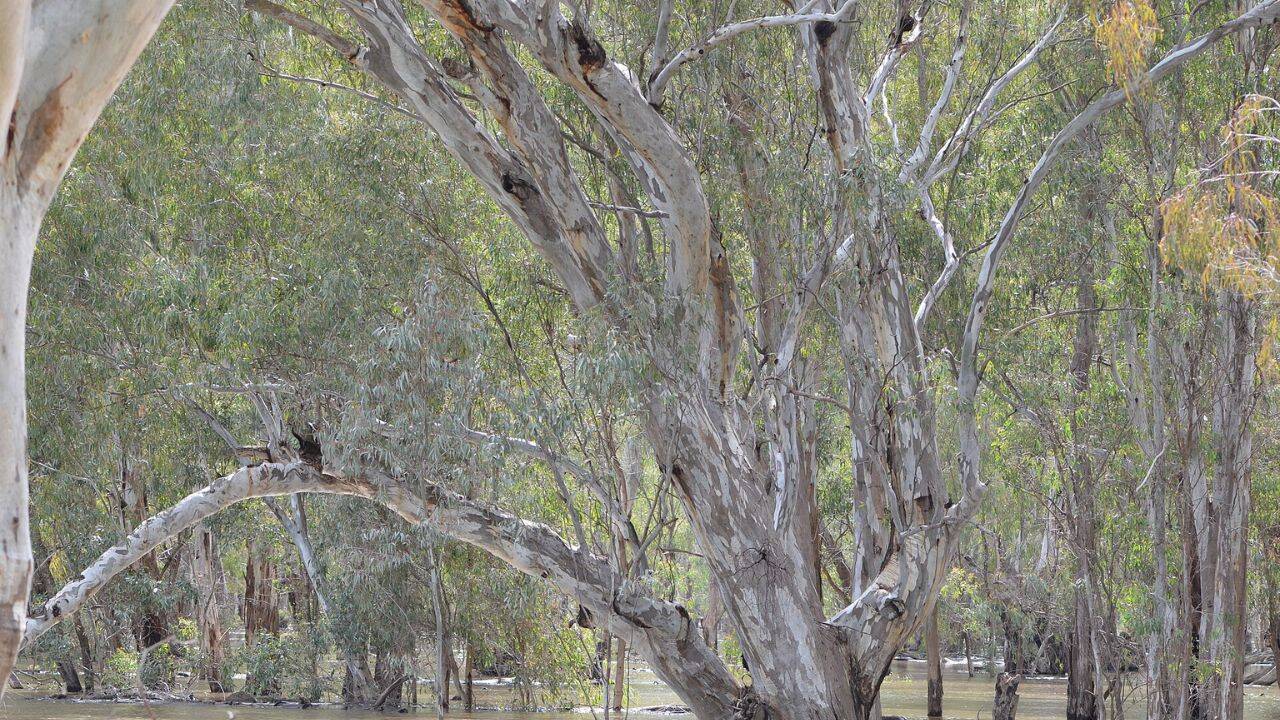
When you drop fast-growing exotic trees into delicate ecosystems, nature pushes back hard. Argentina found this out the hard way. Massive eucalyptus plantations drank so much water that local groundwater tables plunged by more than half a metre. That is not just a minor fluctuation. It is an ecological shockwave.
You might think planting trees is always a win for the planet. Carbon offsets sound great on paper. Governments love funding large-scale forestry projects to hit climate targets. But when forestry management ignores local hydrology, the results turn disastrous. Let's look at what actually happened in Argentina and why ignoring native ecology is a terrible idea.
The Thirsty Giant Nobody Asked For
Eucalyptus trees are native to Australia. They evolved to survive brutal droughts, scorching heat, and poor soils. How do they pull this off? They drink. An enormous amount. Their roots stretch deep underground, acting like biological straws sucking moisture out of the earth at an alarming rate.
When large swaths of Argentina replaced native grasslands and mixed vegetation with monoculture eucalyptus stands for timber production, the hydrological balance snapped. Soil moisture dropped. Streams dried up. Farmers noticed their wells working harder and coming up empty.
Nature does not care about your timber yield targets. Drop an alien, hyper-thirsty species into a vulnerable water basin, and the water table vanishes. It is simple math.
Why Groundwater Matters More Than Trees
Trees trap carbon. Everyone knows this. But water keeps communities alive.
In many parts of Argentina, subsurface aquifers are the only reliable source of drinking water and agricultural irrigation. When industrial forestry projects lower the water table by half a metre or more in just a few years, rural communities pay the price. Small-scale farmers cannot drill deeper wells just because a corporate timber company wants fast-growing pulpwood.
We talk endlessly about carbon footprints while ignoring the water footprint. That is a massive blind spot. If a climate solution ruins local water security, it fails the basic test of sustainability.
The Flawed Logic of Monoculture Forestry
Corporate forestry loves eucalyptus. The trees grow fast. They shoot straight up, yield massive amounts of cellulose, and turn a profit quicker than almost any other commercial hardwood.
Ecologists warned about this for decades. Monocultures create green deserts. They offer zero habitat for local wildlife, deplete soil nutrients, and disrupt the natural water cycle. Biodiversity plummets.
Look at the numbers recorded in regional hydrological studies across Argentine planting zones. Water table drops of fifty centimeters or more alter root zones for native flora, starve wetlands, and increase wildfire risks. Dry soil plus volatile eucalyptus oil equals a tinderbox.
Managing Land Without Destroying It
You cannot just throw trees at a climate problem and hope for the best. Land management requires precision.
If you are evaluating afforestation projects or studying regional environmental impacts, keep these realities in mind:
- Check native water tables before planting non-native species.
- Avoid large-scale monocultures in semi-arid or water-stressed basins.
- Prioritize native forests that evolved to handle local rainfall patterns.
- Involve local hydrology experts early, long before the first sapling hits the dirt.
If your forestry project destroys the local water supply, you are not fighting climate change. You are just trading one crisis for another. Fix the planning phase, respect local ecosystems, and stop pretending every tree planted is automatically good for the earth.