Most people buy land and stare at it, wondering what to do next. They wait for things to happen. Back in 1990, a group of siblings in Tennessee took a very different path. They grabbed shovels, rented equipment, and planted 240 acres of former agricultural fields and worn-out pastures with loblolly pine.
It was a massive gamble. Trees take decades to mature. You plant them in dirt, pray for rain, dodge beetles, and wait for years before you see a single dollar back. But looking back at that investment reveals a masterclass in long-term thinking that most modern landowners completely miss.
Why Loblolly Pine Changes the Math
If you talk to traditional row-crop farmers, they want a return every single autumn. Soybeans go in, soybeans come out, cash changes hands. Trees don't work like that. Loblolly pine is a workhorse species, though. It grows fast, handles acidic soils like a champ, and produces heavy timber if you manage it right.
The siblings didn't just drop seeds and walk away. That is the quickest way to ruin a timber investment. They understood forestry management. Over the decades, those acres required thinning, controlled burns to clear out underbrush, and careful monitoring for southern pine beetles.
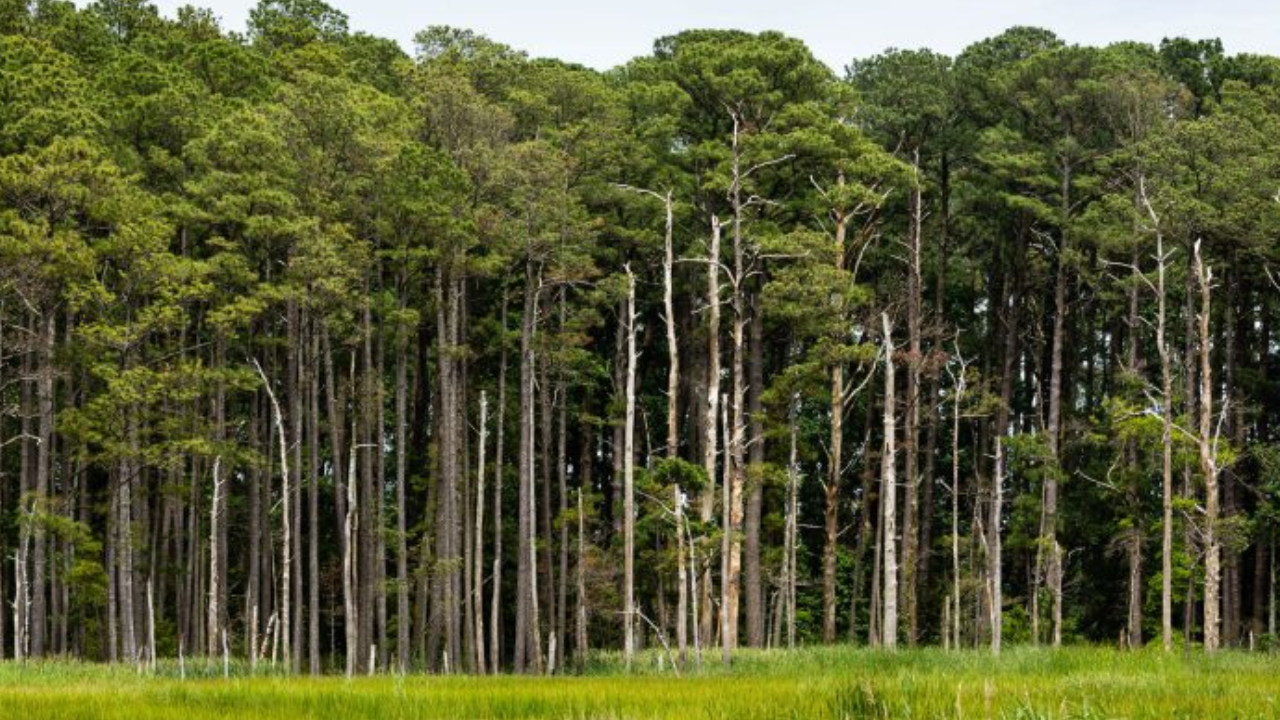
You see, a planted pine forest isn't a hands-off paradise. It is a biological crop. When you plant pine trees densely—usually around 600 to 700 trees per acre—they compete for sunlight. They shoot straight up, dropping their lower branches early. That creates clean, knot-free lumber down the road.
The Economics of Long-Term Dirt
Let us talk about money, because nobody plants 240 acres out of pure poetry. Land management is a business.
When you convert marginal pastureland into a pine plantation, you are playing a thirty-year game. In the early years, cash flow is dead zero. You are paying property taxes on dirt that just looks like a thick green wall. But around year fifteen to twenty, you do your first commercial thinning. You pull out the weaker, suppressed trees and sell them for pulpwood. That first thinning pays for the management costs and puts cash back in your pocket.
Then you wait another decade.
By year thirty or thirty-five, those trees reach sawtimber size. This is where the real value sits. Builders need framing lumber. Utility companies need power poles. A mature loblolly pine stand commands serious prices at the mill. The Tennessee siblings didn't just grow trees; they built an appreciating asset that outpaced traditional stock market volatility for decades.
Environmental Recovery You Can Actually Measure
Planting trees changes the landscape in ways that go far beyond a bank account. Those former pastures and fields were eroding. Every time a heavy Tennessee thunderstorm rolled through, topsoil washed down into local creeks, carrying agricultural runoff with it.
Pine roots lock that soil down. Within five years of planting, the erosion stops cold. Within ten years, the canopy closes, creating a unique microclimate.
Wildlife responds immediately. Deer love the dense cover of a young pine plantation for bedding down. Wild turkeys roam the edges. As the forest matures and gets thinned, sunlight hits the forest floor again, triggering a massive comeback of native grasses and wildflowers. It is a total ecological reset.
The Mistakes Amateur Tree Farmers Make
Every year, well-meaning landowners decide to plant trees and end up hating the results. They make predictable mistakes because they treat forestry like gardening.
First, they skip the site preparation. If you plant pine seedlings into heavy, compacted pasture sod without proper subsoil ripping or chemical weed control, the grass chokes out the young trees. Survival rates plummet.
Second, they plant the wrong species for the soil. Loblolly pine loves well-drained upland soils in the Southeast. Stick it in a swampy bottomland where water sits for months, and root rot will wipe out your investment before it hits ten feet tall.
Third, they ignore the schedule. Forestry isn't "set it and forget it." If you fail to thin a pine stand at the right time, the trees become overcrowded, skinny, and stressed. Stressed trees are an all-you-can-eat buffet for bark beetles.
What You Can Learn From the 1990 Project
You don't need 240 acres to apply these principles. Whether you own two acres or two hundred, the mindset translates directly.
Stop looking for immediate returns on every square foot of land you own. Sometimes the highest-value move is the one that takes a generation to pay off. If you are sitting on idle land, overgrown brush, or exhausted pastures, look into your local state forestry commission. They offer seedling programs, cost-share grants, and professional management plans that make projects like this financially feasible.
Planting trees is an act of supreme optimism. Those Tennessee siblings put roots in the ground during a very different era, betting that the future would still need wood, still need clean water, and still value green space. They were right.
Start small. Talk to a local forester. Plant something that will outlive you.