September 11, 2001. Morning broke with an indifferent, brittle clarity over the American East Coast, painting the sky a sharp, piercing blue. Millions looked upward, commuting, greeting the dawn, unaware that the architecture of the modern world was about to fracture into jagged, irrecoverable pieces. Within hours, towers would fall, smoke would choke the capital, and a collective, paralyzing dread would seize a nation of three hundred million souls.
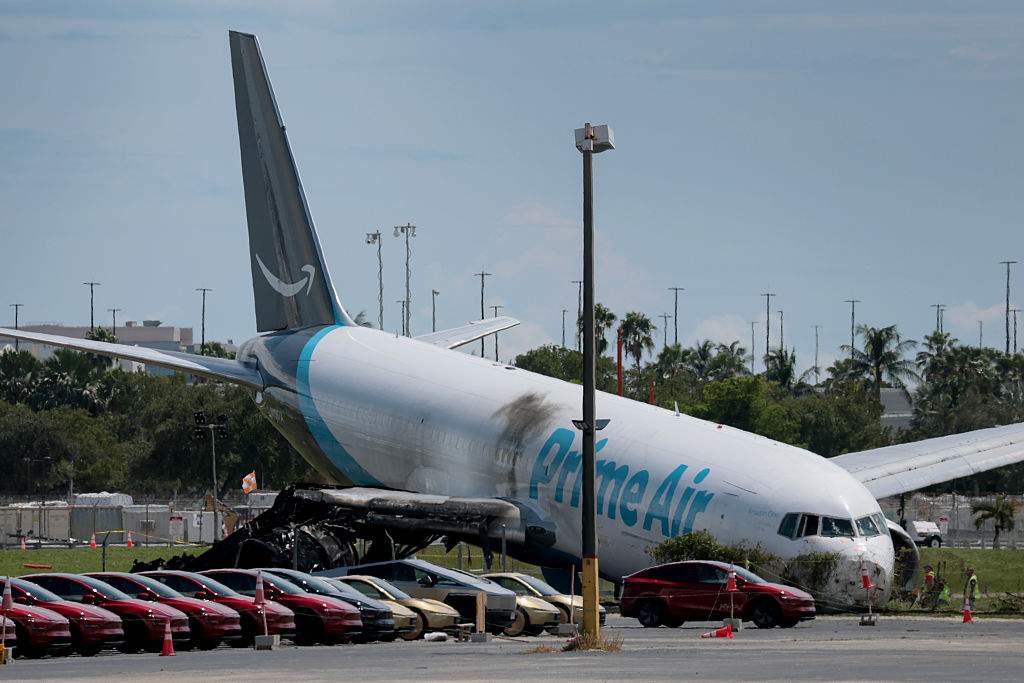
Then came an unprecedented silence. Also making headlines lately: Inside the Amazon Air Crash That Exposed the Hidden Dangers of E-Commerce Logistics.
By 9:45 AM, the Federal Aviation Administration issued an order that had never been whispered in the history of civil aviation. Every airborne commercial and private aircraft—over four thousand metal tubes carrying hundreds of thousands of terrified passengers—was ordered to land immediately. The sky, a highway of endless commerce and human connection, was forcefully, violently emptied. Radar screens that normally glowed with a dense, chaotic swarm of yellow dots began to clear, one by one, until the continental United States was entirely naked of civilian flight.
Except for one. More details into this topic are covered by The New York Times.
Somewhere over the vast, unforgiving expanse of the American West, a solitary twin-engine aircraft hummed through the empty troposphere. It was not carrying a head of state. It was not laden with counter-terrorism operatives, nor was it rushing emergency medical supplies to Ground Zero.
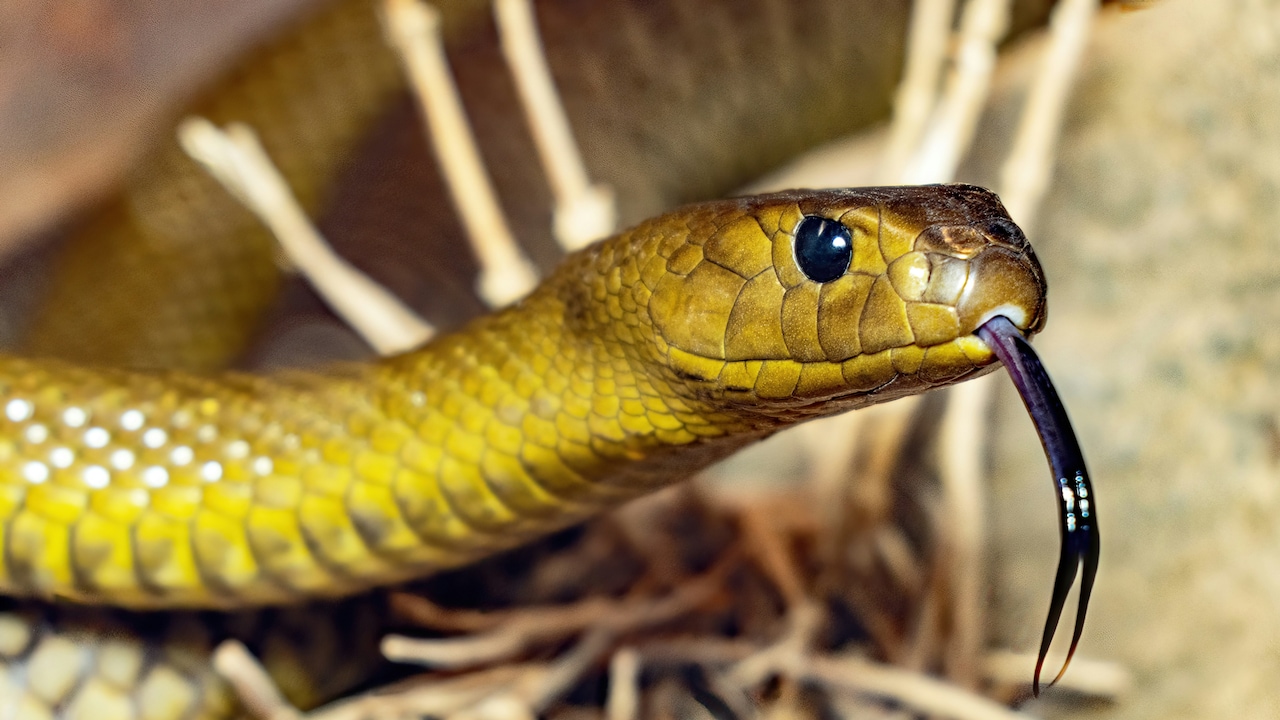
It was carrying a man dying from a snakebite.
To understand the weight of that single exception, you have to step away from the macroeconomic panic of Wall Street and the chaotic corridors of the Pentagon. You have to shrink your view down to a dusty, sun-baked stretch of rural wilderness, and a single human body fighting a war of attrition against cellular decay.
Imagine, for a moment, the absolute stillness of that day. Air traffic controllers in regional centers sat in stunned, weeping disbelief, staring at monitors that showed nothing but empty gridlines. The phone lines were jammed with panic. Fighter jets scrambled with live ammunition, their pilots authorized to shoot down anything that refused to obey the silence.
In the middle of this national lockdown, a call crackled into an FAA facility.
It was not a high-ranking official. It was a panicked voice relaying a medical emergency from a remote area where local hospitals lacked the specific antivenom required to halt a lethal neurotoxic cascade. The venom of certain pit vipers does not care about geopolitical crises. It does not pause its destruction because history is being rewritten three thousand miles away. It breaks down blood vessels, liquefies tissue, and suffocates organs with methodical, biological indifference.
The man was hours away from organ failure. The only hospital with the correct antivenom was hundreds of miles distant, across terrain that would take too long to navigate by ambulance.
In the rigid calculus of crisis management, rules are absolute. When the FAA grounded the entire national fleet, the directive was absolute: zero exceptions. No departures. No arrivals. If you are in the air, you land at the nearest available airport. If you are on the ground, you stay there. Period. Safety was no longer about convenience or schedules; it was about national survival. A single airborne plane could be a hijacked weapon, a disguised missile, a terrifying unknown in a sky that had suddenly become hostile.
Yet, human empathy operates on a different frequency.
Consider the air traffic controller who took that call. Picture the heavy, suffocating air in the control room, the smell of stale coffee and fear, the television screens in the corner broadcasting endless loops of collapsing towers. That controller had to make a choice. Not a policy choice, but a moral one.
The decision cascaded upward through a chain of command paralyzed by catastrophe. It required a rare, breathtaking assertion of individual judgment. To grant clearance for a single flight while the nation was under attack meant accepting an immense, terrifying burden of responsibility. If that plane was a threat, allowing it to fly was catastrophic. If it was denied, an innocent man would die in agony on an isolated table, a silent casualty of a war he never knew had begun.
The exception was granted.
The engine roared to life on a forgotten tarmac. The pilot taxied down a runway flanked by an eerie, apocalyptic emptiness. There were no baggage handlers cheering, no crowded terminal windows watching. Just the immense, crushing weight of a silent nation looking down while one fragile machine dared to challenge the ground stop.
As that single plane climbed into the sterile blue void, it became a strange, paradoxical symbol. It was a reminder of the terror below, yes, but it was also a defiant pulse of humanity. It whispered that even when the machinery of civilization breaks down, even when fear demands absolute uniformity and cold survivalism, the preservation of a single human life remains the ultimate law.
The flight lasted less than an hour. The landing was smooth, almost surreal in its quietness. The patient was rushed through sliding doors into the sterile light of an emergency room, where the antivenom met the poison and turned the tide. He survived.
Meanwhile, thousands of other planes sat frozen on tarmacs across the continent, their passengers stranded in terminals, waiting days for the skies to reopen. The world had changed forever. The illusion of invulnerability was shattered.
Yet, when you look back at the jagged historical record of that day, amid the smoke, the ash, and the sirens, remember that small, lonely dot on the radar screen. It proves something essential about who we are when everything falls apart. We locked the doors against the world, we drew the blinds, and we froze the horizon. But when a single voice cried out from the wilderness, we still looked up, and we opened a crack in the dark just wide enough to let one man through.