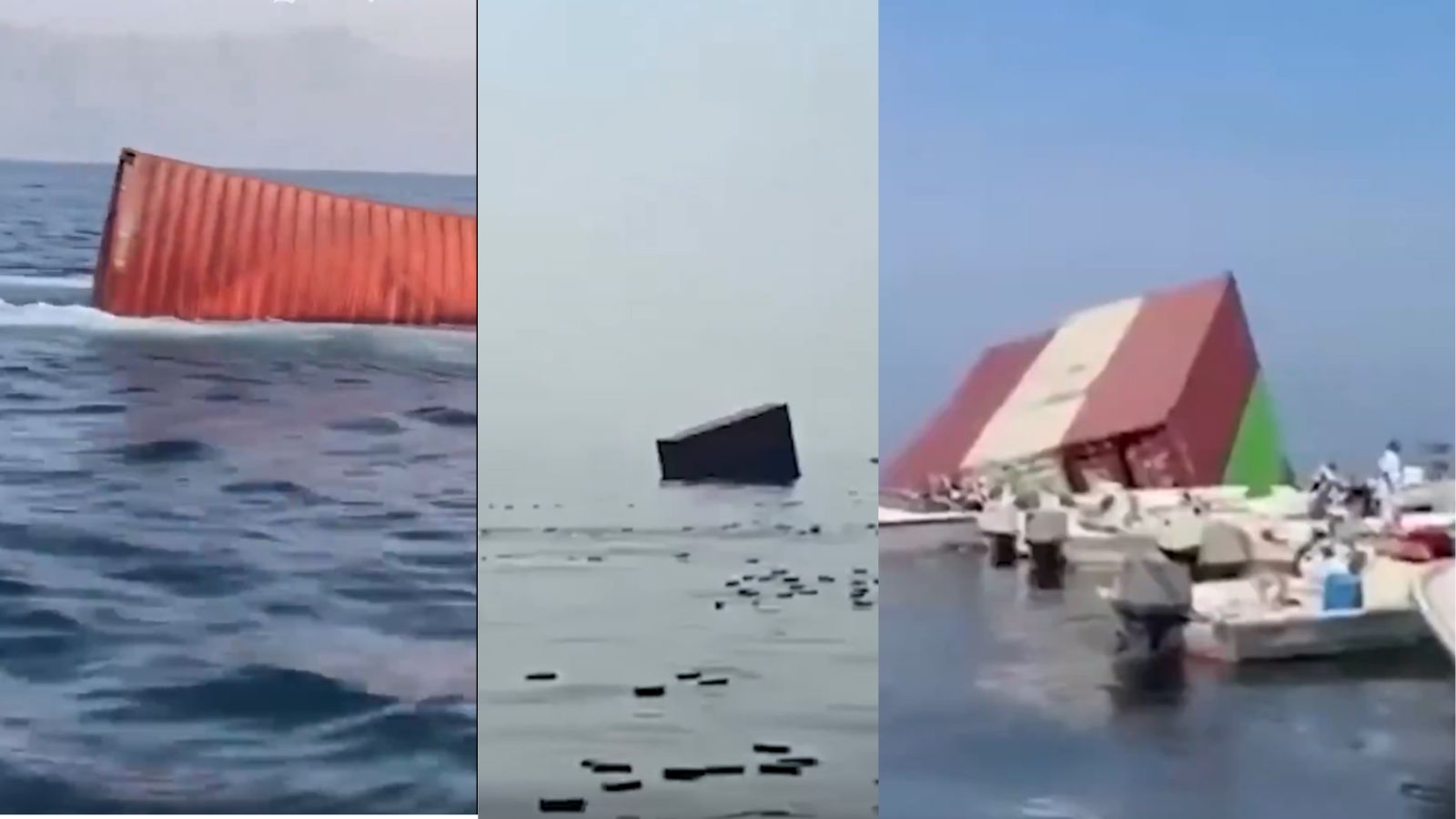
Small boats weaving between bobbing shipping containers. Clips claiming fishermen scooped up iPhones and luxury perfume from a sunken vessel. It sounds like a bizarre windfall in the Strait of Hormuz.
Honestly, a lot of what went viral doesn't hold up under scrutiny.
After the Singapore-flagged container ship GFS Pride caught fire on October 13 and sank on October 14, 2026, social feeds filled up with dramatic salvage claims. All 21 crew members were safely evacuated with no injuries reported. Yet online videos quickly framed the wreck as a floating treasure chest of smartphones and fragrance boxes. When you separate confirmed maritime reporting from synthetic internet hype, a very different picture emerges—one tied to active military escalation, disputed accounts of the strike, and real physical hazards on the water.
Why Fishermen Hunting iPhones in the Strait of Hormuz Went Viral
Viral videos love a neat, punchy story. A ship goes down in a tense waterway, local fishermen head out in skiffs, and suddenly people are supposedly pulling luxury goods out of the waves.
According to reporting from outlets including The Telegraph and Gulf News, some clips did show people heading out in small boats near spilled cargo. At the same time, fact-checkers including BBC Verify and outlets such as Gulf News flagged visual red flags across circulating footage. Some clips showed phones moving unnaturally in water, distorted packaging text, odd box shapes, or boat passengers staying weirdly still while vessels moved. Several images and videos appeared AI-generated or stitched together with genuine wreck imagery.
There's also a huge gap between seeing floating debris and proving what was inside those containers. Reuters cited maritime security sources noting the GFS Pride had a capacity of 2,824 twenty-foot equivalent units (TEU), while no independently verified cargo manifest was made public to confirm whether iPhones or specific perfume shipments were aboard. A UAE perfume company issued a statement expressing relief that the crew survived while not confirming its products were on the vessel. Claims linking smartphones advertised in Tehran directly to the sinking also remained unverified.
If you've ever tracked breaking news during a regional flare-up, you know how fast fabricated clips piggyback on real disasters. Once a genuine fire and sinking happen, synthetic media fills the information vacuum within hours. People want a clear, visual payoff, and algorithms reward shock over caution.
What Actually Happened to the GFS Pride
Strip away the viral noise, and the core maritime event is serious enough on its own.
Singapore's Maritime and Port Authority stated that the GFS Pride suffered damage and a fire on October 13 before sinking on October 14, with all 21 crew members evacuated safely. Hydrographic warnings placed the sinking near Oman's Musandam Peninsula, roughly four nautical miles northwest of Ras al-Sheikh Masud.
Even the cause of the sinking is contested. Singapore's maritime authority reported that the vessel was struck by an unidentified projectile. Iran's Islamic Revolutionary Guard Corps (IRGC) claimed the ship struck a naval mine while traveling along what Tehran called an unauthorized route. Maritime security firm Marisks said there was no independent evidence of a mine sinking the vessel, describing Tehran's mine narrative as fitting a psychological operations effort.
Context matters here. Reporting around the incident pointed to a broader spike in attacks on commercial vessels—including container ships, bulk carriers, and tankers—around the Strait of Hormuz and Gulf of Oman. Another vessel, the GFS Giselle, was reportedly damaged in the same wave of strikes before reaching anchorage, and separate vessel losses occurred around the conflict. When maritime security breaks down in a chokepoint this tight, a single cargo ship loss becomes a symptom of a much wider shipping crisis.
Disputed Narratives and Missing Evidence
When two sides give conflicting accounts of a maritime strike, you shouldn't treat either press release as gospel. Official statements serve strategic goals, and independent verification often lags days or weeks behind the headline.
In practical terms, three details remain messy:
- Cause of damage: Projectile strike versus naval mine remains disputed between Singapore authorities and the IRGC, with independent security analysts questioning the mine claim.
- Actual cargo load: Capacity figures (2,824 TEU) tell us how big the ship could be, not what containers were loaded or whether high-value electronics were inside.
- Video provenance: Real containers and debris in the water do not validate AI-generated scenes of crowds gathering phone boxes or unrealistic floating electronics.
The Real Danger of Chasing Drifting Containers
From the outside, picking up floating goods looks like quick luck. In reality, approaching adrift containers in active or recently struck waters is reckless.
Authorities in Oman issued safety warnings over containers drifting off Musandam Governorate after the sinking, cautioning that some boxes could hold hazardous materials and urging mariners not to approach or retrieve them. Both regional authorities and warning advisories stressed keeping clear of loose boxes and reporting sightings instead.
I've watched plenty of people underestimate industrial cargo because a crate looks harmless bobbing on the surface. A single container can carry corrosive chemicals, flammable liquids, industrial batteries, or heavy machinery that shifts unpredictably in swells. Add active military tensions, naval patrol zones, and poor visibility from smoke or rough seas, and a small boat chasing "free loot" is taking on massive risk for maybe nothing—or worse, something toxic.
What Maritime Authorities and Analysts Emphasize
When commercial vessels take hits in narrow sea lanes, safety agencies focus on crew survival, navigation hazards, and environmental protection. Floating containers are notorious threats to propellers and hulls, which is why maritime authorities urge mariners to report locations rather than tow or pry open drifting boxes.
How to Read Viral Crisis Clips Without Getting Fooled
You don't need to be a forensic analyst to spot shaky shipwreck footage, though a few habits save you from spreading bad information.
First, look for physics and consistency. Water has weight, buoyancy, and current; objects bob, tilt, and get splashed rather than hovering like cut-and-paste stickers. Check text on boxes and labels—synthetic generators frequently garble small lettering or warp familiar logos.
Second, separate confirmed facts from claimed specifics. Knowing that a ship sank and containers spilled is one thing. Knowing exact box contents requires manifests, customs records, or credible independent reporting—not an unverified social clip.
Third, check multiple credible sources before reposting. If major newsrooms and fact-checkers haven't verified dramatic salvage claims, wait. Retweeting or forwarding fake wreck footage doesn't just mislead friends—it muddies real situational awareness during a genuine maritime crisis.
If you're following updates on shipping around the Strait of Hormuz, stick to verified maritime advisories and established news outlets, double-check viral clips for visual anomalies before sharing, and if you're ever near coastal waters with drifting debris, keep your distance and report containers to local maritime authorities rather than going after them.
Iranian fishermen scramble out to sea to salvage iPhones and luxury perfume covers the viral salvage claims and broader Strait of Hormuz shipping context surrounding the incident.