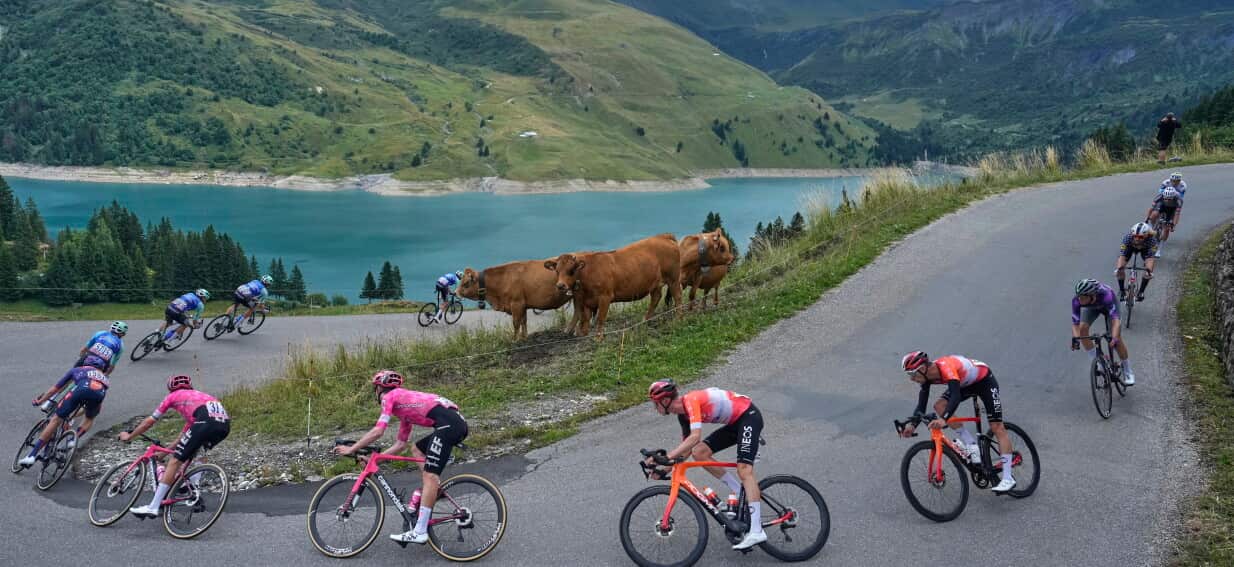
The Tour de France always delivers drama, but this year hits differently. Between a highly debated starting route and riders chasing historic milestones, the cycling world is losing its collective mind. If you are just looking at the surface-level headlines, you are missing the real tactical battle happening behind the scenes.
Everyone wants to talk about the brutal mountain stages. They want to focus on the flashy sprint finishes. But winning three weeks of racing requires a brutal level of calculations that most casual fans completely overlook.
The Opening Stages Are Way More Dangerous Than You Think
Organizers love to spice up the first week. They design routes meant to shake up the peloton immediately, creating chaos for the general classification contenders right out of the gate. This year is no exception. Starting with a challenging, unorthodox terrain means there is no time for riders to ease into their rhythm.
It is a massive gamble. Pure climbers hate it because they risk losing time on tricky, rolling hills before they even see a real mountain. Sprinters get frustrated because the terrain ruins their chances of wearing the yellow jersey early on.
The real danger lies in the collective nerves of the peloton. When two hundred riders are all fighting for position on narrow, technical roads during week one, crashes happen. Big ones. One wrong move on a tight corner can ruin two years of intense training in a split second. Teams with genuine ambitions for the overall win cannot just hide in the bunch anymore. They have to ride at the front, burning precious energy miles before the real race even begins.
The Brutal Math Behind Chasing a Historic Fifth Title
Winning the Tour de France once makes you a legend. Winning it multiple times places you in an elite tier of human performance. But chasing that elusive fifth title brings a psychological weight that breaks most athletes.
The physical toll of staying at the absolute peak of cycling for half a decade is absurd. Your life becomes an endless loop of altitude camps, weighed out meals, and agonizing training sessions.
- Recovery slowing down: Even the best athletes cannot outrun time forever.
- Target on your back: Every rival team watches your every move, forcing you to initiate the action.
- The pressure cooker: The media scrutiny amplifies every single pedal stroke and bad day.
To secure a fifth victory, a rider needs more than just incredible lungs and legs. They need an indestructible team willing to sacrifice their own personal glory completely. We often see super-domestiques who could be team leaders elsewhere pulling on the front of the peloton for hours, destroying their own legs just to save their leader a few watts of energy. If that support system cracks even slightly, the dream of a fifth title evaporates on the side of a mountain.
Why Australian Riders Are Holding the Tactical Cards
Australian cycling has moved far beyond the era of being plucky underdogs. The current crop of Aussies in the peloton represents some of the smartest tactical minds in the sport. They do not just rely on raw power. They know how to read a race as it develops.
Look at how they approach the transition stages. While European teams often burn through their riders trying to control the breakaway, Australian contenders excel at picking the exact right moment to move. They possess a natural grit, likely born from racing on tough, windy domestic roads early in their careers.
Watch the intermediate sprints and the technical descents. That is where Australian riders tend to execute their masterclasses. They understand that winning the Tour de France is not just about being the fastest up Alpe d'Huez. It is about stealing five seconds here, three seconds there, and capitalizing on the moments when everyone else is looking around waiting for someone else to make a move.
How to Watch the Modern Peloton Like a Team Director
If you want to actually enjoy the race instead of just watching colorful jerseys blur past the camera, you need to change your perspective. Stop looking at the guy leading the race on TV. Look at the riders sitting in third, fourth, and fifth position inside the main group.
Pay attention to the wind direction. When a crosswind hits an open stretch of road, teams will deliberately form an echelon, driving the pace high to split the peloton into fragments. If a key contender gets caught on the wrong side of that split, their entire race can end right there, regardless of how good their climbing legs are.
Keep your eyes on the team cars too. The communication between the sports directors and the riders via radio dictates every single attack. It is a high-speed game of chess played at forty miles an hour.
Your next step to truly appreciating this spectacle is simple. Pick three riders outside the top favorites. Track their time gaps across the flat stages, note how much work their teammates do early in the day, and watch how those small efforts compound when the race finally hits the high-altitude peaks. You will start seeing the real race that the casual fans completely miss.