You walk down to the shore of England's largest lake, expecting a picturesque view, and instead, you spot a strange, neon streak floating near the docks. It looks like someone spilled a tub of pea-green paint right onto the water.
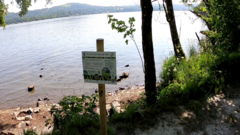
That is not just unsightly discoloration. That is a toxic bloom of cyanobacteria, and local authorities are installing roughly 40 permanent warning signs around Windermere and another 40 across Cumbria to deal with the threat.
If you think a few colorful boards on the shoreline are an overreaction, you haven't seen what blue-green algae can do to a dog's nervous system in under fifteen minutes. Let's look at why these new warnings matter and how to spot the danger before it ruins your summer.
Understanding the New Windermere Algae Warning Signs
The Love Windermere Partnership, backed by funding from the Environment Agency, rolled out these permanent fixtures to replace temporary paper notices that often get torn down or ignored. These aren't just generic "do not swim" placards. They provide year-round guidance on identifying cyanobacteria and point visitors directly to the Bloomin' Algae app so people can upload photos and check verified reports in real time.
Why is this necessary now? Because hot, calm summer weather triggers these explosive bacterial multiplications faster than local councils can manually update social media pages.
You cannot rely on someone else checking the water for you. By the time an official agency tests a sample and updates a website, the wind has shifted, the bloom has drifted into a popular swimming cove, and someone's pet has already lapped up the poisoned water.
Why Dogs Are at the Greatest Risk
Humans usually know better than to drink thick, smelly green sludge. Dogs do not.
When a dog swims through an algal bloom, toxic compounds cling to their fur. When they step out onto the bank, their immediate instinct is to lick themselves clean. That grooming behavior delivers a concentrated dose of hepatotoxins or neurotoxins straight into their digestive tract.
Symptoms do not take days to appear. Within minutes to a few hours of exposure, a dog can experience:
- Severe vomiting and bloody diarrhea
- Extreme weakness and muscle tremors
- Disorientation and loss of coordination
- Sudden seizures and respiratory failure
If your dog collapses after a swim in Windermere or any other slow-moving freshwater body during warm weather, waiting to see if they sleep it off is fatal. You need to get them to a veterinarian immediately.
The Human Cost of Ignoring the Water
People often assume that if they don't swallow the water, they are completely safe. That is a dangerous myth.
Contact with cyanobacteria can cause severe skin rashes, blistering, eye irritation, and swollen lips. If you are waterskiing, paddleboarding, or tubing, you are practically guaranteed to inhale fine water droplets kicked up into the air. Inhaling these aerosols can trigger asthma attacks, severe sore throats, and flu-like symptoms that knock you flat for days.
The bitter truth is that not all blue-green algae blooms produce deadly toxins, but you cannot tell if a bloom is toxic just by looking at it. Chemical analysis in a laboratory is the only foolproof method. Because testing takes time, park authorities operate under a strict rule: assume every thick, paint-like scum is lethal until proven otherwise.
How to Protect Yourself and Your Family Today
Stop treating warning signs as suggestions. If the water looks like pea soup, has a visible surface scum, or smells like rotting plants, stay out.
Download the Bloomin' Algae app before you leave your house. Check the local basin reports for Windermere—such as the North Basin or Fell Foot—where blooms frequently concentrate during prolonged dry spells.
If you or your children do come into contact with suspect water, rinse off with clean tap water immediately. Wash your gear, scrub your dog's coat down with fresh water before they get the chance to groom, and keep a close eye on anyone who went for a dip. Enjoy the lakes, but respect the bacteria.