Election cycles make everyone pretend the economy resets on a Tuesday in November. It doesn't.
If you're looking at the US economy through the lens of midterm elections, the single biggest mistake you can make is assuming lawmakers hold the steering wheel. Congress writes tax rules, argues over spending caps, and occasionally triggers drama around the debt ceiling. Meanwhile, bond yields, supply shocks, and central bank decisions do the heavy lifting. Look at what happened in autumn 2026: voters ranked the economy right at the top of their concerns, yet mortgage rates above 7%, sticky inflation, and energy price spikes from conflict in the Middle East were shaped by forces far bigger than any single House or Senate race.
Midterms matter because they shift political leverage for the next two years, not because they magically lower grocery bills or mortgage payments overnight. Let's break down what actually drives your wallet around midterms, where the headlines mislead you, and how to read the numbers without losing your mind.
Why the US Economy Feels So Contradictory at Midterms
Ever notice how economic reports can look decent on paper while households feel squeezed? That disconnect isn't an optical illusion. It's the defining tension of late-cycle economics.
Headline unemployment hovering in the low-to-mid 4% range sounds reassuring. Having a job beats not having one, obviously. Yet wage growth around 3.5% year-over-year leaves plenty of families feeling like they're running in place once housing, medical costs, gas, and airfare are factored in. When paychecks barely outrun living expenses, people don't care much about a GDP line ticking up by roughly 2%. They care whether their rent or mortgage eats half their take-home pay.
Gallup polling ahead of the 2026 midterms showed economic concerns leading voter priorities overall, with sharp jumps among independents and Democrats alongside steep focus on income distribution and gas prices. Young voters felt that squeeze acutely too. From years of sitting on advisory desks and watching household budgets bend under higher borrowing costs, I've seen how frustrating it is when pundits tell regular people the economy is "fine" just because aggregate spending hasn't collapsed.
The Supply Versus Demand Trap
Economists at places like the University of Virginia Darden School of Business have pointed out a simple reality: spending has repeatedly run hot against limited supply in areas like housing and energy. Massive capital spending on AI infrastructure and data centers adds real demand to the economy, even as everyday shoppers bargain-hunt and stretch their budgets selectively.
Raising interest rates cools demand, which is why the Federal Reserve pushed rates back up in September 2026 after years of a different trajectory before pausing in October with the target range at 3.75%–4.00%. Higher rates don't build more starter homes or pump more oil out of the ground on their own. That's why fighting inflation with rate hikes feels so blunt to borrowers.
What Washington Can Actually Change After Midterms
Voters often expect a fresh Congress to flip a switch and fix affordability. Honestly, that's wishful thinking.
Policy shifts after a midterm usually play out slowly. If gridlock sets in, sweeping legislation stalls, and executive tools—like tariffs or trade negotiations—take center stage. An average effective tariff rate sitting near 7% already shapes input costs, and economists warn broad tariff walls can push costs onto consumers while risking retaliation from trading partners.
Debt Ceilings, Term Premiums, and Bond Markets
One real risk to watch after any election is fiscal brinkmanship. When debt-limit deadlines approach—with pressure points looming in spring 2027—bond investors pay close attention. Even the threat of a standoff can nudge yields higher if investors demand extra compensation for uncertainty.
Look at the 10-year Treasury yield averaging above 5% in October 2026. When benchmark yields stay elevated, everything from auto loans to commercial real estate financing gets pricier. Research from Cushman & Wakefield highlights that credit availability, interest rates, and growth drive real estate and business outcomes far more reliably than the midterm calendar itself.
Common Traps People Fall Into During Election Season
I see the same bad habits every two years. Smart people get pulled off course because election noise makes short-term fear feel urgent.
- Treating partisan talking points as economic data. Every party cherry-picks whichever chart flatters its pitch and ignores the rest. Check primary sources like the Federal Reserve Board and the Bureau of Labor Statistics instead of relying on filtered clips.
- Overreacting to headlines with big financial moves. Selling long-term investments or locking in rash decisions purely out of midterm anxiety usually backfires. Markets price in political shifts fast, often before the ballots are even counted.
- Confusing nominal growth with real breathing room. A headline number can rise while real wages—pay adjusted for inflation—stay flat or dip. Always ask what a dollar actually buys today.
- Ignoring long-term structural constraints. National debt, aging demographics, and housing shortages don't vanish because a new committee chair takes over.
A Quick Reality Check on Geopolitics and Energy
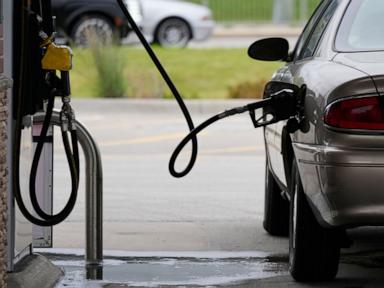
External shocks don't care about American election schedules. Ongoing conflict affecting energy routes like the Strait of Hormuz and pushing crude oil above $100 a barrel has shown how fast a geopolitical shock can spill straight into gas stations, freight, and central bank rate math. Keep an eye on energy and rate expectations together—they're joined at the hip right now.
Practical Steps to Protect Your Wallet Right Now
You don't need to predict every twist in Washington to make smart money moves. Focus on what sits inside your control.
Start by auditing your high-interest debt. With borrowing costs elevated and rate cuts far from guaranteed, paying down variable-rate balances gives you a clean, risk-free return.
Next, stress-test your monthly budget against sticky essentials. If housing, insurance, utilities, or commuting costs creep higher, build a slightly fatter cash cushion so an unexpected bill doesn't force you onto expensive credit.
If you're shopping for a home or refinancing, run the math at today's rate levels rather than waiting on a political miracle. Buy only when the monthly payment fits comfortably without stretching your emergency fund thin.
Finally, keep your investing plan steady. Stick to a diversified mix aligned with your actual time horizon, tune out cable-news outrage, and let disciplined habits do the work while politicians argue over who gets credit—or blame—for the economy.