Traditional political playbooks are officially dead. If you think primary elections are still decided by backroom endorsements, institutional handshaking, and carefully curated television ads, you aren’t paying attention to what is happening right now. Today, June 23, 2026, primary voters are heading to the polls across New York and several key states. The results will outline exactly where the Democratic party is heading, but the real story is how the underlying mechanics of modern campaigns have flipped upside down.
This isn’t just about choosing names for a November ballot. It is an aggressive, real-time experiment in raw political power and modern communication. From a newly minted socialist mayor testing his ground-game muscle to a Kennedy heir turning thirst traps and fast-paced video edits into a legitimate congressional bid, the old guard is being forced to adapt or get out of the way.
Here are the core battlegrounds, structural realignments, and tactical shifts that define today's votes.
The Ultimate Stress Test for Socialist Organizers
A massive storyline sits squarely in New York City. Mayor Zohran Mamdani, who pulled off a stunning victory to secure City Hall, faces his first massive test of down-ballot political clout. Mamdani didn’t just win on a wave of anti-establishment fervor; he did it by combining highly specific policy promises with an unhinged, deeply authentic social media presence. He made bills about stabilizing halal cart prices go viral. Now, he wants to prove his brand of politics can scale.
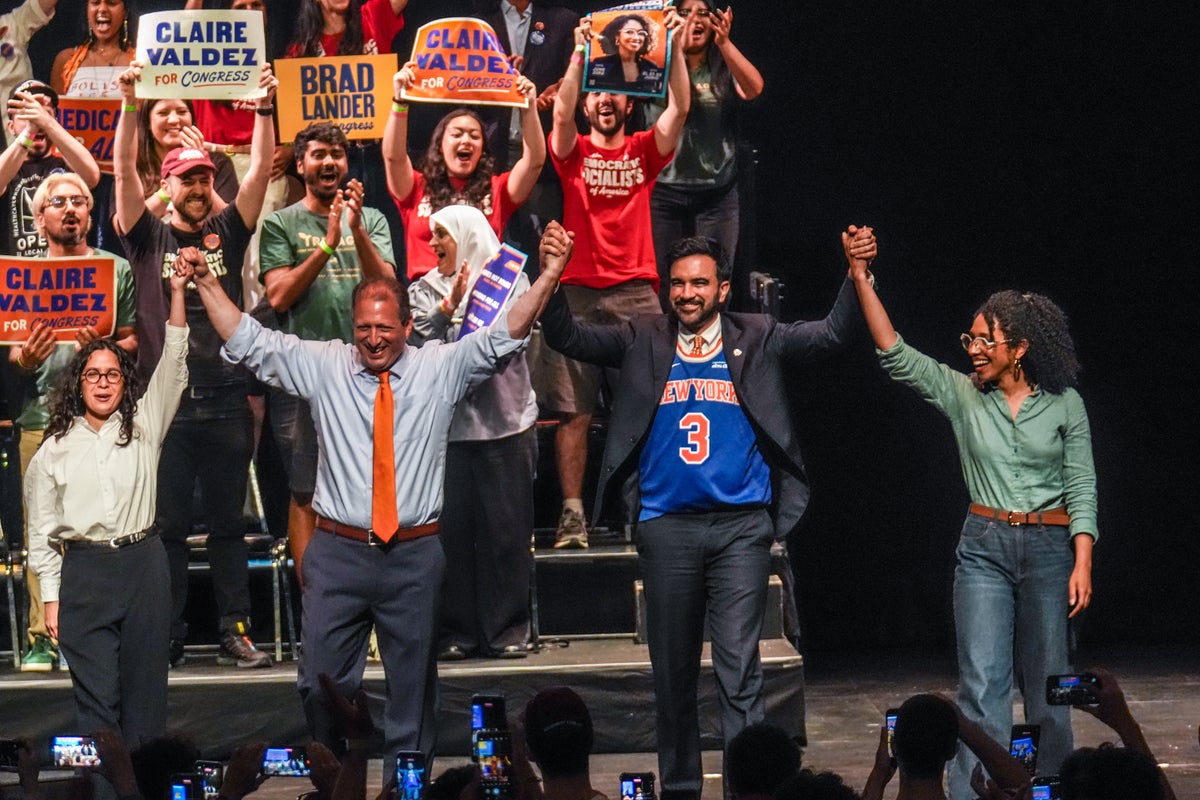
Mamdani has thrown his weight behind a progressive slate targeting safe-blue seats held by moderate incumbents. He wants to reshape the state's congressional delegation from the ground up.
- In the 7th Congressional District, Mamdani is backing Assemblywoman Claire Valdez to fill the massive void left by retiring Congresswoman Nydia Velázquez. Valdez faces Antonio Reynoso, the Brooklyn Borough President backed by the establishment.
- In the 10th Congressional District, Mamdani endorsed former city comptroller Brad Lander in a direct, high-stakes challenge against sitting incumbent Dan Goldman.
This is a naked power play. If Mamdani’s progressive slate wins, it proves his mayoral victory wasn't a fluke. It means he owns a machine capable of ousting entrenched Democrats. If they lose, the institutional wing of the party breathes a sigh of relief and writes him off as a one-hit wonder. Mamdani’s team has already knocked on over 1.5 million doors. We are about to find out if shoe leather and viral videos can reliably shatter the status quo.
The Kennedy Legacy Slams Headfirst into Algorithm Culture
Over in Manhattan’s 12th Congressional District, the race to replace retiring Representative Jerry Nadler has transformed into a bizarre, multi-million dollar psychological thriller. The candidate drawing the most national eyeballs is Jack Schlossberg. He is a writer, a former State Department staffer, and, most notably, the grandson of John F. Kennedy.
Schlossberg isn't running a standard Camelot-nostalgia campaign. He has spent months building a massive, chaotic following on TikTok and Instagram. His strategy features energetic rants, eccentric humor, and literal fitness videos. It is a campaign built for the For You Page. His opponents, like state assemblymen Alex Bores and Micah Lasher, have openly scoffed at the spectacle, explicitly warning voters that they are electing a legislator, not a TikTok star.
But scoffing misses the structural reality of modern media. Schlossberg’s online footprint has allowed him to completely bypass traditional media gatekeepers. He doesn't need a friendly editorial board when he can talk directly to hundreds of thousands of young voters on their phones.
The race is incredibly tight. Recent Emerson College polling shows Lasher with a razor-thin lead, followed closely by Bores, Schlossberg, and prominent anti-Trump attorney George Conway. With more than 30% of voters reporting as undecided just days before the election, the NY-12 primary will prove whether algorithmic fame translates into actual votes inside a physical polling booth.
Deep Blue Incumbents Face Generational Anxiety
The broader trend across these primaries is a rising wave of generational impatience. It is hitting long-serving officials who assumed they had lifetime appointments. Look no further than New York State Comptroller Tom DiNapoli. He has held his office for nearly twenty years, cruising through reelection cycles without breaking a sweat. Today, he faces his first-ever primary challenge.
Voters are frustrated. There is a palpable sense that the older generation of leadership is sleepwalking through massive structural crises like housing affordability, rapid inflation, and the unregulated rise of artificial intelligence. Candidates who rely entirely on their resumes are finding out that past performance doesn't guarantee future security anymore. The safe, centrist baseline that defined New York politics for decades is fracturing. Voters want fighters, not placeholders.
What to Watch as the Numbers Roll In
When the polls close tonight at 9:00 PM, do not just look at who wins. Look closely at the margins and the geographic data.
First, watch the early voting data. Turnout has been remarkably low, with fewer than 200,000 New Yorkers casting ballots before Tuesday. In low-turnout environments, the campaign with the most intensely dedicated base wins. That heavily favors Mamdani’s hyper-organized volunteers and progressive ground game.
Second, check the age demographics of the electorate. If Schlossberg or the Mamdani-backed progressive slate underperforms, it means young, online supporters stayed home, confirming the old political maxim that internet noise does not equal real-world action. But if they pull off victories in NY-12, NY-7, or NY-10, the entire Democratic establishment will be forced to overhaul how they communicate, run campaigns, and allocate money ahead of the midterms.
The immediate next step is monitoring the initial ballot drops from the New York Board of Elections. Focus entirely on the assembly and congressional districts in Brooklyn and Manhattan where the ideological lines are drawn deepest. The data trickling out tonight will reveal the true blueprint of the party's future.


