A single measles case at an airport gate or a rural bus stop doesn't stay put. When the Pennsylvania measles outbreak surged in 2026, it didn't just strain local hospitals in places like Lancaster and Mifflin counties—it exposed a wider vulnerability that crosses passports and oceans.
With U.S. measles tallies topping 5,400 cases in 2026—the worst national burden since 1991—and the United States losing its measles elimination status, this isn't a neat domestic story anymore. Measles is arguably the most contagious respiratory virus humans deal with. One infectious person can pass it to roughly nine out of ten susceptible close contacts, and the virus can linger in the air of a room for up to two hours after that person walks out. Meanwhile, you can read similar events here: Inside the MAHA Meltdown After Calley Means Quit RFK Jr..
Borders don't stop airborne droplets. Planes, cross-border families, seasonal workers, and tourism turn a regional spark into a continental or global problem fast.
How a Local Surge Becomes an International Headache
Think about how modern travel actually works. Major hubs in Pennsylvania connect people to New York, Toronto, London, Mexico City, and beyond. If an unvaccinated traveler or a parent with a sick infant boards a flight before a rash appears—remember, people can spread measles days before the classic rash shows up—they carry a live pathogen straight into communities with uneven vaccine coverage. To explore the full picture, we recommend the excellent analysis by Mayo Clinic.
Public health researchers have already watched this ping-pong dynamic play out across North America. As Dr. Noel Brewer, a behavioral scientist at the University of North Carolina at Chapel Hill who has worked on elimination assessments, noted regarding cross-border spread, large outbreaks in the U.S. have exported cases to Canada and Mexico, and cases have bounced back into the U.S. as well. Canada lost its measles-free status in 2025 before working to halt transmission for 60 days toward regaining it, while Mexico and the U.S. have faced major setbacks in North America's hard-won elimination standing.
And it isn't just North America. Dr. David Margolius of the Big Cities Health Coalition has pointed out that what's happening isn't a U.S.-only quirk, but part of a broader global surge alongside slipping vaccination rates. When a major outbreak burns in one wealthy country with heavy international transit, it undercuts global containment efforts everywhere. Other nations trying to hold off imported cases have to spend scarce public health hours contact-tracing international flights, quarantining exposed contacts, and scrambling to patch gaps in their own immunization programs.
Why Pockets of Low Immunity Matter Everywhere
You don't need an entire country to have low vaccination rates for measles to take off. Measles hunts pockets.
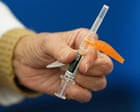
To stop sustained transmission, communities generally need around 95% two-dose coverage with the measles, mumps, and rubella (MMR) vaccine. Two doses are about 97% effective at preventing measles. When coverage dips below that threshold in specific neighborhoods, schools, or social networks, the virus finds fuel.
In Pennsylvania, public health officials have pointed to concentrated pockets of unvaccinated residents—including in certain Plain communities like Amish and Mennonite groups that often rely less on conventional health care systems—where outbreaks can gain traction. Across the broader U.S. data for 2026, roughly 96% of confirmed cases have occurred in people who were unvaccinated or whose vaccination status was unknown.
Here's a twist that catches people off guard. It's not only young kids. Dr. Paul Offit has highlighted how adults in their 20s, 30s, and 40s who grew up after measles stopped circulating widely—and who missed vaccination for whatever reason—can end up completely unprotected without ever having had natural infection. Adults traveling internationally or working in hospitality, health care, or aviation can easily become bridges between local outbreaks and distant cities.
What Most People Get Wrong About Measles Risks
Honestly, a lot of folks treat measles like a mild childhood rite of passage—a fever, a rash, a week on the couch, and done. That's a dangerous myth.
Data from 2026 shows that roughly 11% of confirmed U.S. cases resulted in hospitalization, with higher hospitalization shares among young children under five and adults 20 and older. Measles can trigger severe pneumonia, brain swelling (encephalitis), and death. The CDC estimates roughly 1 to 3 deaths for every 1,000 children infected, though a survey from the Annenberg Public Policy Center at the University of Pennsylvania found that many Americans don't have a clear grasp of either the mortality risks or the two-dose MMR schedule.
There's also a hidden cost that makes international spread even nastier: immune amnesia. Measles virus infects immune cells and wipes out a portion of the body's existing immune memory, leaving survivors more vulnerable to other infections for months or even years afterward. When a child in one country gets measles and later catches a routine bacterial or viral infection across the border, the long-term toll stretches far beyond the initial rash.
Pregnant people and infants face steep stakes too. Babies usually aren't routinely scheduled for their first MMR dose until around 12 to 15 months of age, meaning infants under a year old depend heavily on community immunity unless an outbreak or international travel warrants an earlier dose under medical guidance. Public health alerts in 2026 have underscored serious pregnancy impacts, including non-labor hospitalizations and congenital measles cases in newborns.
Why Reversing Elimination Status Hurts Beyond Headlines
Losing measles elimination status—defined in public health terms as the absence of continuous transmission of the same virus strain for 12 months or more within a defined region—isn't just a bruised ego for health agencies. It's a practical signal that the firewall has cracked.
Between 2000 and 2023, health authorities estimate measles vaccination prevented roughly 6.2 million deaths across the Americas. Watching that progress unravel in North America changes the math for neighboring countries and global partners.
First, it raises the baseline risk of re-importation and secondary chains of spread everywhere travelers go. Second, it strains health systems already stretched thin by workforce shortages and competing infectious diseases. Third, it fuels skepticism and confusion abroad. When people in another country see a large outbreak in a high-income nation with advanced medical facilities, misinformation spreads faster and trust in routine childhood immunizations can take a hit.
To be fair, experts don't always agree on every tactical detail of outbreak response—such as how aggressively to roll out catch-up campaigns, how best to communicate with hesitant communities without sounding preachy, or how to balance school exclusion policies during active clusters. What is clear, though, is that waiting until cases spike in your own zip code is way too late.
Practical Steps You Can Take Right Now
Whether you live in Pennsylvania, travel internationally, or keep an eye on public health trends from abroad, you aren't powerless. A few concrete moves make a real difference:
- Check your and your family's MMR records today. Don't guess. Look up childhood immunization records or ask your primary care clinician or local health department whether you have documentation of two MMR doses (or a blood titer showing immunity if records are missing).
- Plan ahead before international trips. If you're traveling outside your home country—especially to areas with active transmission or crowded transit hubs—check vaccine guidance at least four to six weeks ahead of departure. Ask a doctor if infants aged 6 to 11 months need an early MMR dose for travel, or if adults born in later decades need a catch-up dose.
- Know the early symptoms and call ahead. Fever, cough, runny nose, and red, watery eyes usually show up first, followed a few days later by a blotchy red rash starting on the face and hairline. If you suspect measles, call your clinic or emergency room before walking in so staff can route you safely and keep waiting rooms—and vulnerable patients—protected.
- Rely on primary public health sources. When rumors swirl online during an outbreak, check updates directly from trusted agencies like the CDC measles data and outbreaks page or infectious disease briefings such as CIDRAP measles coverage rather than viral social media claims.
A virus doesn't care about state lines or national flags. Closing immunity gaps before the next flight lands is the only way to keep a local outbreak from becoming everyone's problem.