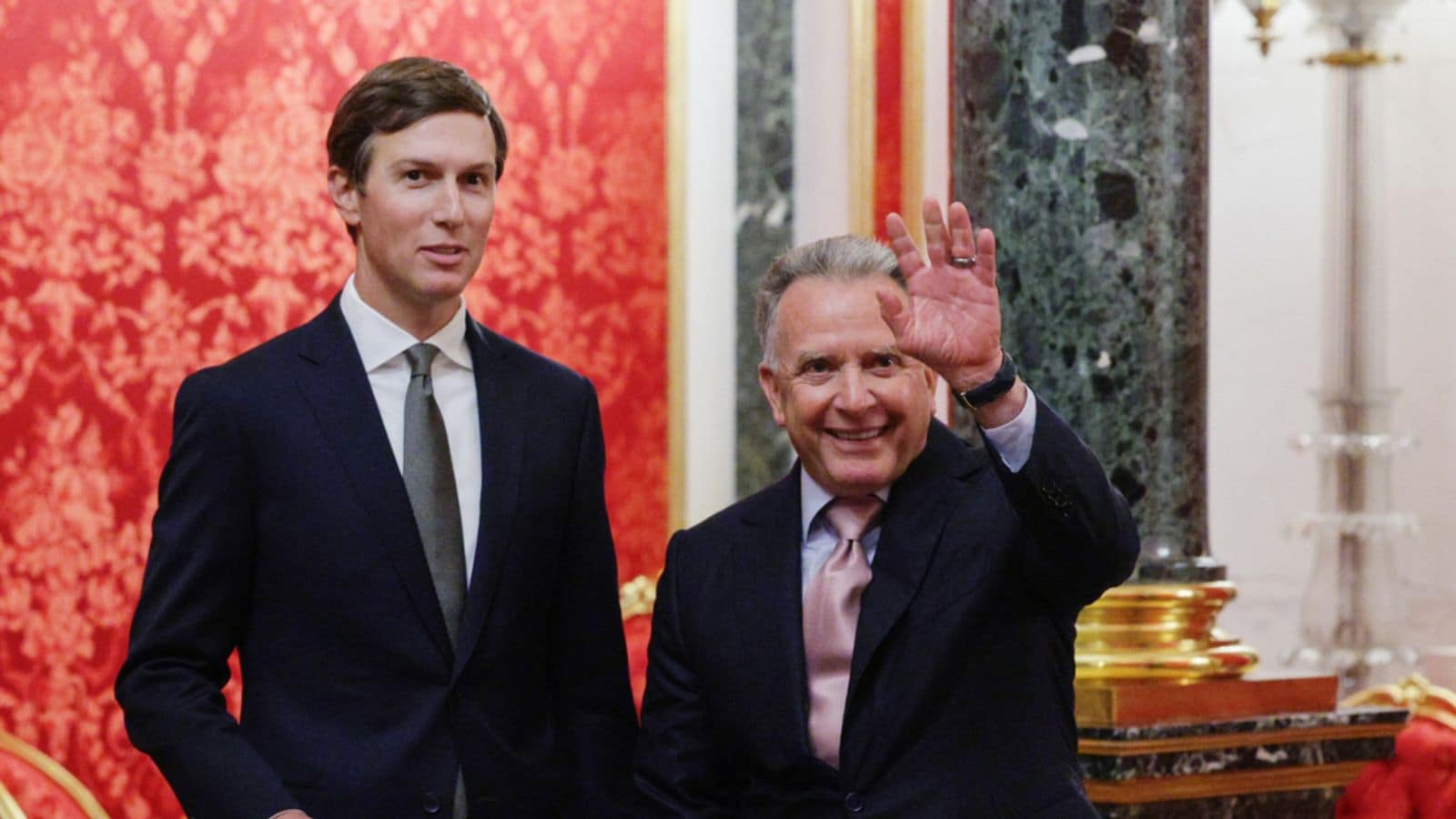
Every time a private jet touches down in Kyiv or Moscow, the global commentariat loses its collective mind. Headlines trumpet the arrival of high-profile emissaries like Steve Witkoff and Jared Kushner, framing these shuttle diplomacy efforts as the final hurdle to a breakthrough. The lazy consensus is simple: tired men in suits are bridging gaps, drafting maps, and inching closer to a grand compromise.
It is a comforting fairy tale. It is also entirely detached from reality.
I have spent decades watching backroom political theatre, and I can tell you straight up that these missions are not designed to end the conflict. They are designed to manage it. Stop buying into the broadcast narrative that a sudden stroke of diplomatic genius is going to redraw European security overnight. The structural incentives for all major players point firmly in the opposite direction.
The Amateur Hour Assumption About Backchannel Diplomacy
The core flaw in mainstream coverage is the belief that peace is a communication problem. The naive view assumes that if you just get the right dealmakers into a room with Vladimir Putin, hand them a whiteboard, and map out a reasonable land swap, the shooting will cease.
This ignores the brutal mechanics of wartime economics and domestic survival. Peace is not missing because of a lack of creative intermediaries. Peace is missing because neither side's baseline requirements can be met without total capitulation or political suicide.
Let us look at the structural math. For Moscow, freezing the conflict on current frontlines secures territorial gains, but it also leaves a militarized, deeply hostile Ukraine on its doorstep, backed by an industrial West. For Kyiv, accepting any territorial cession is an existential blow to national legitimacy and a betrayal of every soldier in the trenches.
When envoys shuttle between these capitals, they are not hammering out a peace treaty. They are testing red lines, measuring resolve, and buying time. Treating these visits as genuine peace summits is journalistic malpractice.
Why Both Sides Actually Benefit From Prolonging the Stalemate
If you want to understand why diplomatic theater persists while the war grinds on, you have to follow the incentives. War is a terrible humanitarian tragedy, but it is also an institutional stabilizer for corrupt or fragile political ecosystems.
The Domestic Consolidation Trap
Wartime governance grants leaders extraordinary powers. Opposition is muted under the banner of national unity. Dissent is easily rebranded as treason. When you are fighting for survival, questioning the competence of the leadership is treated as helping the enemy. Neither political establishment is eager to transition back to a bruising, chaotic peacetime political arena where inflation, corruption scandals, and broken promises take center stage again.
The Industrial Feedback Loop
Modern warfare is a factory game. The military-industrial complexes of the West, along with the restructured supply chains of Russia, are locked into massive multi-year production cycles. Artilleries, drones, and electronic warfare systems are rolling off assembly lines at a scale not seen in generations. Trillions of dollars are moving. Entire sectors have reorganized around permanent strategic competition. You do not simply turn off that financial firehose because a real estate developer flew into Boryspil airport.
The Dangerous Myth of the Quick Fix
Whenever a new delegation rolls out a supposed peace framework, markets briefly flutter, and pundits talk about momentum. This creates a dangerous psychological trap. It leads to fatigue, premature compromises, and sloppy policy planning.
Imagine a scenario where a rushed, poorly enforced ceasefire is somehow bullied into existence tomorrow. What happens the day after?
- Demilitarized zones become permanent flashpoints guarded by reluctant international monitors who have no mandate to fight.
- Frozen conflict lines harden into permanent legal nightmares, preventing any meaningful foreign investment or reconstruction.
- Both militaries use the pause purely to refit, rearm, and prepare for round two with better tactics.
A ceasefire without a fundamental alignment of power is just an intermission. Pretending otherwise gets people killed.
How to Read the News Like an Insiders Insider
Stop looking at who is meeting whom. Start looking at logistics, energy flows, and ammunition stockpiles.
When you read about high-level envoys holding secret talks, ask yourself one question: What does each side lose if the war stops today? If the answer is political power, economic leverage, or strategic depth, then the talks are performance art.
The real signal in international relations is never what politicians say behind closed doors; it is what they fund when nobody is watching. Track the defense budgets, not the press conferences.
The shooting will stop when the cost of fighting drastically outweighs the cost of stopping for every single power involved. Until then, enjoy the travel updates of the elite, but do not mistake a lobbying tour for a peace accord.