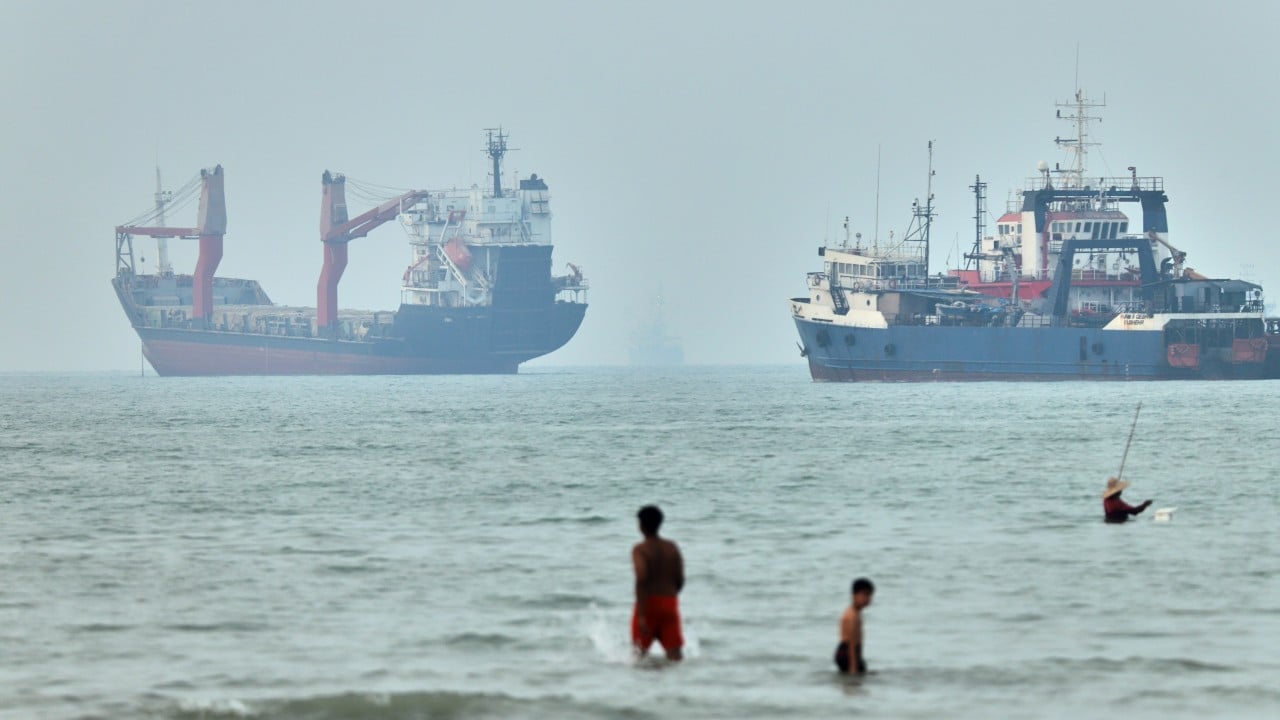
Every shipping analyst with a keyboard and a Bloomberg terminal is currently losing their mind over reports that dozens of Hong Kong-linked vessels are supposedly idling, trapped, or paralyzed near the Strait of Hormuz. The narrative is predictably hysterical. Headlines scream about supply chain blockages, geopolitical choke points, and an impending logistical meltdown that will send freight rates into the stratosphere.
It is a neat story. It is also completely wrong.
I have watched logistics desks panic over phantom blockades for twenty years. I have seen corporations burn millions of dollars rerouting vessels because some mid-level consultant read a sensationalized wire service report and mistook temporary anchoring patterns for a geopolitical hostage crisis.
Let us look past the mainstream noise and examine what is actually happening on the water.
The Lazy Consensus Of Choke Point Panic
The standard media line goes something like this: regional tensions spike, vessels cluster outside a vital maritime artery, therefore global trade grinds to a halt. This logic treats the ocean like a congested two-lane highway where a single stalled truck causes a miles-long traffic jam.
That is not how maritime logistics operates.
Vessels do not get "stuck" in open approaches unless their operators want them there, or commercial calculus dictates a pause. When trade groups aggregate AIS tracking data and see sixty or eighty ships loitering near specific coordinates, they assume a crisis. They fail to account for the most fundamental reality of modern bulk and container shipping: waiting is often more profitable than moving.
Modern commercial fleets operate on razor-thin margins and strict charterparty agreements. If charterers are negotiating new terms, if cargo receivers are delaying port clearance documentation, or if bunker fuel prices in a downstream port make it cheaper to drift for forty-eight hours than burn heavy fuel oil into a congested berth, captains park the ship. They drop anchor in designated waiting areas and wait out the paperwork.
Calling this a "blockade" or a "crisis" is either lazy reporting or intentional fear-mongering designed to drive up spot-market freight futures.
The Economics Of The Parking Lot
To understand why these Hong Kong-linked hulls are sitting put, you have to understand how shipowners manage risk versus operational expenditure.
Imagine a scenario where a vessel is carrying non-perishable bulk commodities toward a regional discharge port. Word reaches the bridge that port turnaround times have slowed due to local administrative friction or heightened security inspections. The captain has two choices:
- Steam ahead at full speed, burn expensive fuel, and arrive only to drop anchor inside the port perimeter anyway, accruing heavy daily port detention fees.
- Reduce speed early or hold position in a safe, designated international waiting zone outside the immediate risk perimeter, conserving fuel and waiting for a confirmed green light from the local port agent.
Any competent commercial operator chooses the second option every single time. The ships sitting near the Strait of Hormuz are largely exercising optionality, not suffering from interdiction. They are parked because charterers are recalculating risk premiums, insurance underwriters are updating war-risk surcharges, and port authorities are processing paperwork at a deliberate pace.
The media looks at a cluster of stationary AIS transponders and sees a tragedy. The asset owner looks at the same cluster and sees capital preservation.
Dismantling The Hong Kong Flag Fallacy
A significant pillar of the current panic relies on the origin of the vessels. The breathless reporting highlights that these are "Hong Kong-linked" or "Hong Kong-flagged" ships, as if that specific administrative registry makes them a primary target for regional friction.
This betrays a profound misunderstanding of flag-of-convenience mechanics and global maritime corporate structures.
Hong Kong serves as a major ship registry jurisdiction. Owning a vessel registered in Hong Kong does not mean the ship is owned by the government, crewed exclusively by Hong Kong nationals, or carrying cargo destined solely for East Asian markets. These vessels are owned by complex multinational SPVs (Special Purpose Vehicles), managed by third-party technical operators in Athens, Singapore, or Dubai, and chartered by multinational commodity houses based in Geneva or London.
Attributing political vulnerability to a ship simply because of its flag registry in this context is amateurish. The vessels are commercial assets moving global commodities. Regional actors know this. Insurers know this. The only people who do not seem to understand it are the analysts trying to squeeze a complex web of maritime economics into a simplistic geopolitical headline.
What You Should Do Instead Of Panicking
If you manage supply chains or capital allocation exposed to maritime logistics, stop reacting to aggregate vessel tracking noise.
- Ignore static AIS clusters: A stationary ship is not necessarily a trapped ship. Demand operational verification from your local port agents rather than relying on satellite ping aggregators.
- Audit your charterparty contracts: Review your demurrage and detention clauses. If you are paying for delays caused by general market jitter rather than actual force majeure events, your legal team is leaving money on the table.
- Look at bunker curves, not just news feeds: If regional fuel prices and spot rates remain stable while a "crisis" is being reported, the market is telling you the truth. The market knows this is business as usual.
The panic over stranded ships near the Strait of Hormuz will fade the moment a new news cycle takes over. Until then, let the pundits chase ghosts while the smart money keeps moving cargo.